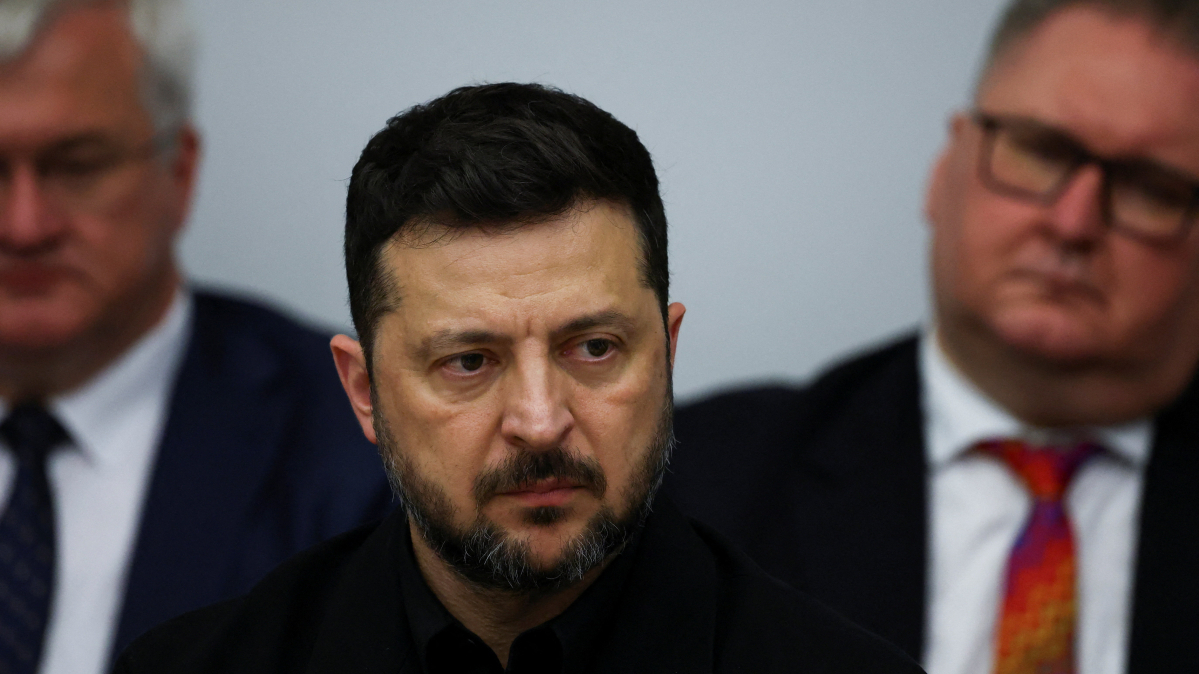
Ukraine and Germany have signed an agreement to strengthen anti-ballistic capabilities, Ukrainian President Volodymyr Zelenskyy announced on Thursday, as Kyiv continues to push for deeper Western support in countering Russian missile attacks.
Zelenskyy said he is urging allies to accelerate deliveries and achieve “concrete outcomes” in air and missile defence by the coming winter, warning that Russian ballistic missile strikes remain a major threat.
Call for faster Western defence support
Speaking at a meeting of the Ukraine Defence Contact Group, also known as the Ramstein group, Zelenskyy stressed the urgent need for long-range artillery, unmanned systems and expanded financial mechanisms to sustain Ukraine’s military effort over the long term.
“Russian ballistic missiles remain a problem, and we need an answer to that problem,” he said, calling for joint action among Western partners.
He added that Ukraine expects visible progress on anti-ballistic defence cooperation within months, describing it as essential not only for Ukraine but for broader European security.
Joint development of anti-ballistic systems and unmanned vehicles
According to Zelenskyy’s office, the agreement with Germany includes cooperation on developing anti-ballistic defence technologies and joint production of a new unmanned ground vehicle known as “TerMIT”.
The vehicle is designed to transport up to 300 kilograms of ammunition, equipment and water to frontline positions, supporting logistics in combat zones where traditional supply routes are exposed to risk.
Production of the system is expected to take place in Germany, with involvement from German defence companies.
German industry participation and Ukrainian defence firms
German Defence Minister Boris Pistorius said several German defence companies have expressed interest in participating in the programme, signalling potential expansion of industrial cooperation between the two countries.
Ukraine’s defence industry is also involved, including Fire Point, described as the country’s largest missile and drone manufacturer, which is participating in the initiative.
Broader effort to strengthen Ukraine’s air defence
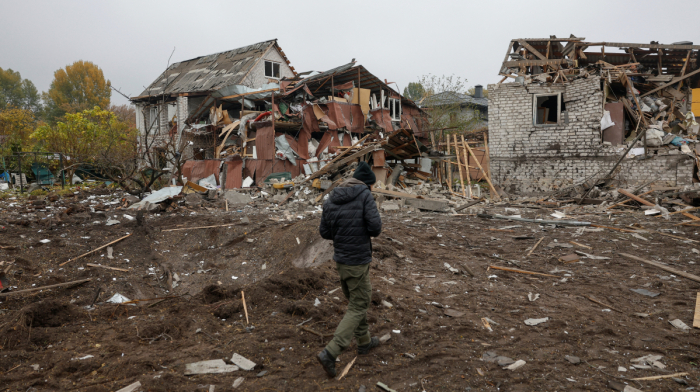
The agreement comes as Ukraine continues to prioritise strengthening its air defence network against sustained Russian missile and drone strikes.
Kyiv has repeatedly urged Western partners to expand deliveries of advanced air defence systems, while also seeking long-term funding arrangements to stabilise military planning and procurement.
The latest deal with Germany is part of a wider effort to integrate Ukraine more deeply into European defence production networks and accelerate battlefield-ready capabilities ahead of the winter period.













What is your opinion on this topic?
Leave the first comment