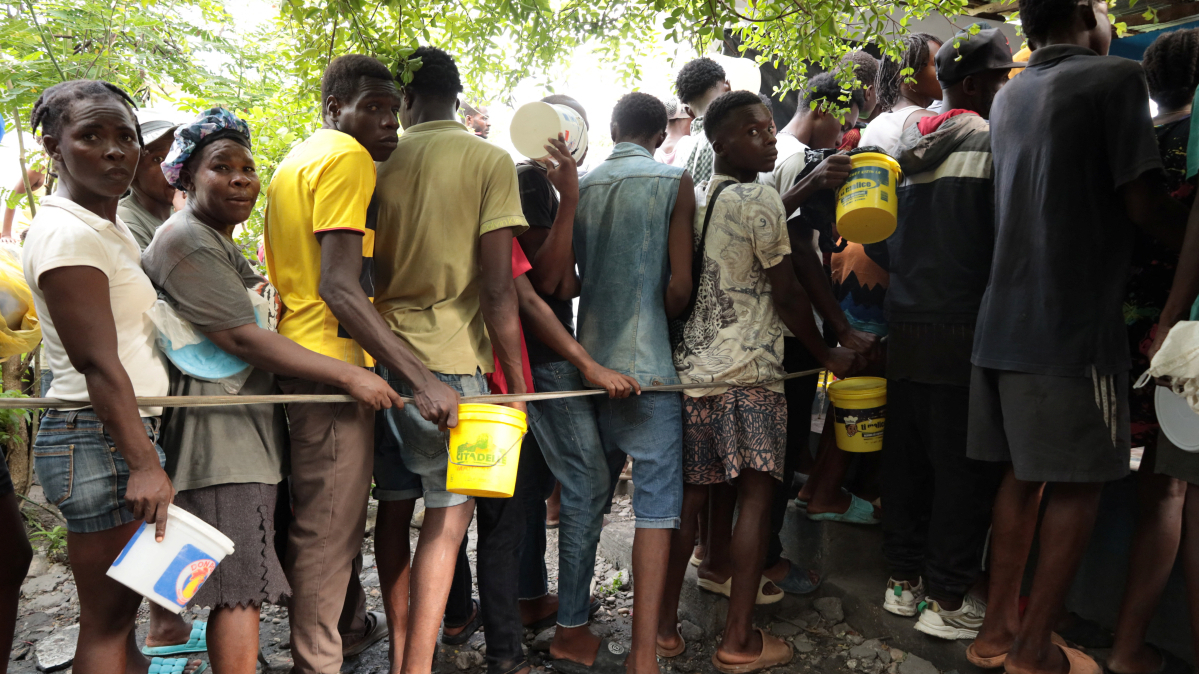
More than half of Haiti’s population is facing acute food insecurity, prompting the United Nations World Food Programme (WFP) to warn that recent progress in tackling hunger remains fragile and could quickly be reversed without urgent support.
New data from the Integrated Food Security Phase Classification (IPC) shows that around 5.8 million people, roughly 52% of the population, are experiencing crisis levels of hunger or worse (IPC Phase 3 and above). Of these, more than 1.8 million are in emergency conditions (IPC Phase 4), meaning they are unable to meet basic food needs and are exhausting their last coping mechanisms.
Deepening humanitarian crisis
The figures, covering the period from March to June 2026, highlight the scale of a deepening humanitarian crisis driven by insecurity, economic strain and widespread displacement.
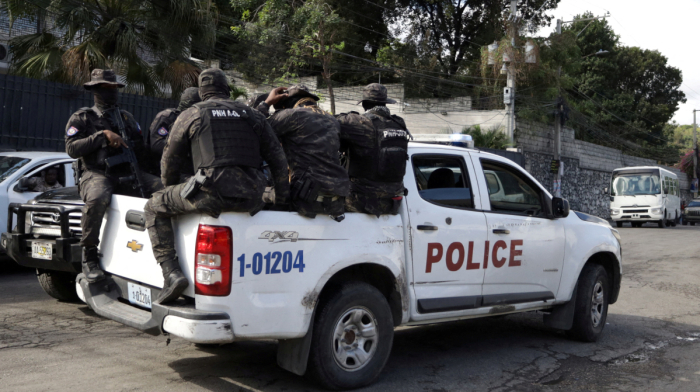
According to the WFP, nearly 6 million Haitians are expected to face acute food insecurity in the coming months, as gang violence continues to disrupt daily life and access to food.
Armed groups have expanded their control in parts of the country, while more than 1.4 million people have been displaced, putting further pressure on already strained food systems. Many families have been forced from their homes into overcrowded and unsanitary shelters, particularly in the capital, Port-au-Prince.
A glimmer of hope
Despite the grim outlook, there have been modest improvements. The latest IPC projection is slightly lower than an earlier estimate of 5.91 million people facing acute hunger, and the number in emergency conditions has also declined slightly. Aid agencies attribute this to sustained food assistance, easing inflation and improved harvests in some areas.
The WFP says its support helped around 200,000 Haitians move out of emergency hunger levels over the past year. In 2025 alone, the agency assisted 2.7 million people through emergency food aid, school meal programmes, social protection schemes and support for smallholder farmers.
However, officials warn these gains remain precarious.
“Fighting hunger is essential to restoring stability in Haiti. We cannot build peace if families cannot feed their children,” said WFP Haiti country director Wanja Kaaria.
The impact of the Middle East conflict
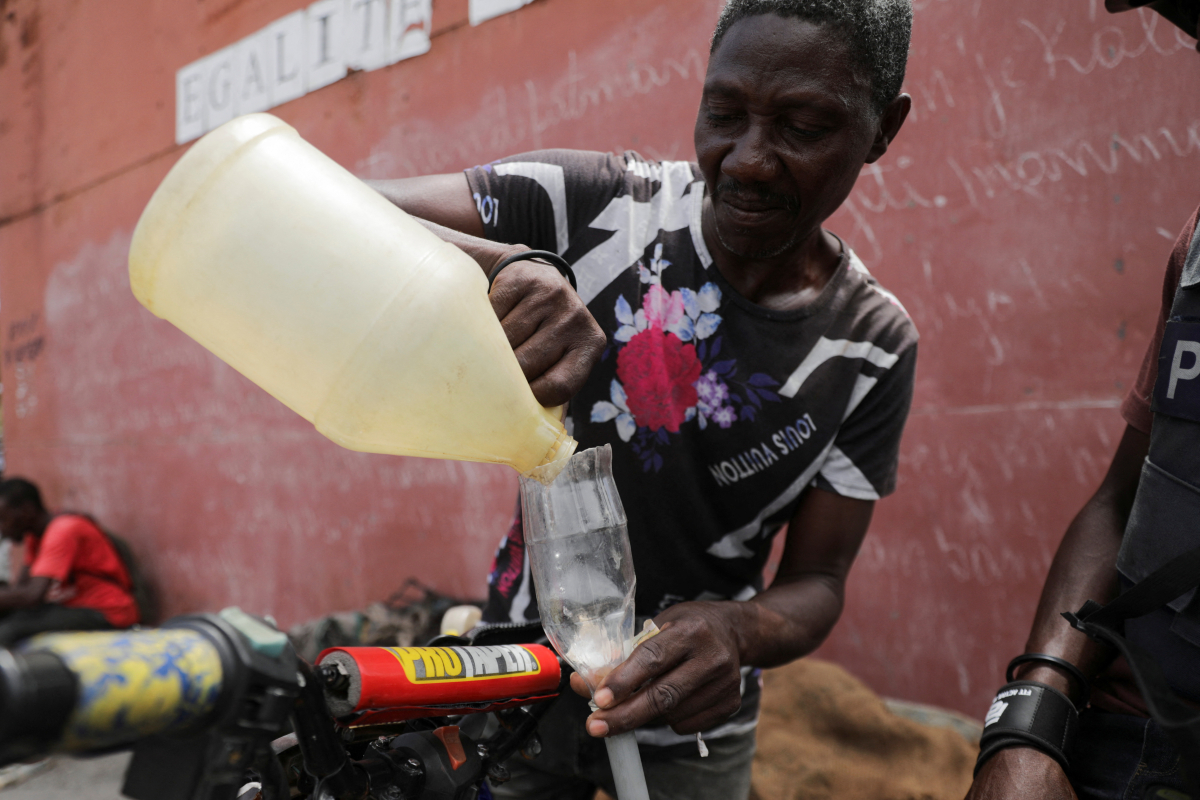
Rising global fuel prices, partly linked to the conflict in the Middle East, are increasing transportation and food costs, threatening to push more families back into crisis. Humanitarian agencies say the surge in costs is affecting both food production and distribution across the country.
“These small improvements must not lead to complacency,” Ms Kaaria warned. “Higher fuel prices risk rolling back gains and pushing already vulnerable families deeper into crisis.”
Long-term challenges
Haiti’s food insecurity has been worsening for nearly a decade, driven by a combination of political instability, economic shocks, armed violence and vulnerability to extreme weather events, including hurricanes.
The WFP is now calling for increased international funding to sustain emergency operations and invest in longer-term solutions aimed at rebuilding local food systems.
The agency says it needs $332 million over the next 12 months to continue its work and plans to reach more than 2.7 million people with both emergency assistance and resilience support.
Aid groups warn that without sustained intervention, hunger will continue to fuel instability, as vulnerable populations become more exposed to exploitation by armed groups and other risks.






















What is your opinion on this topic?
Leave the first comment