The past 24 hours of the Russia-Ukraine war have seen a drastic escalation in both aerial bombardment and frontline losses.
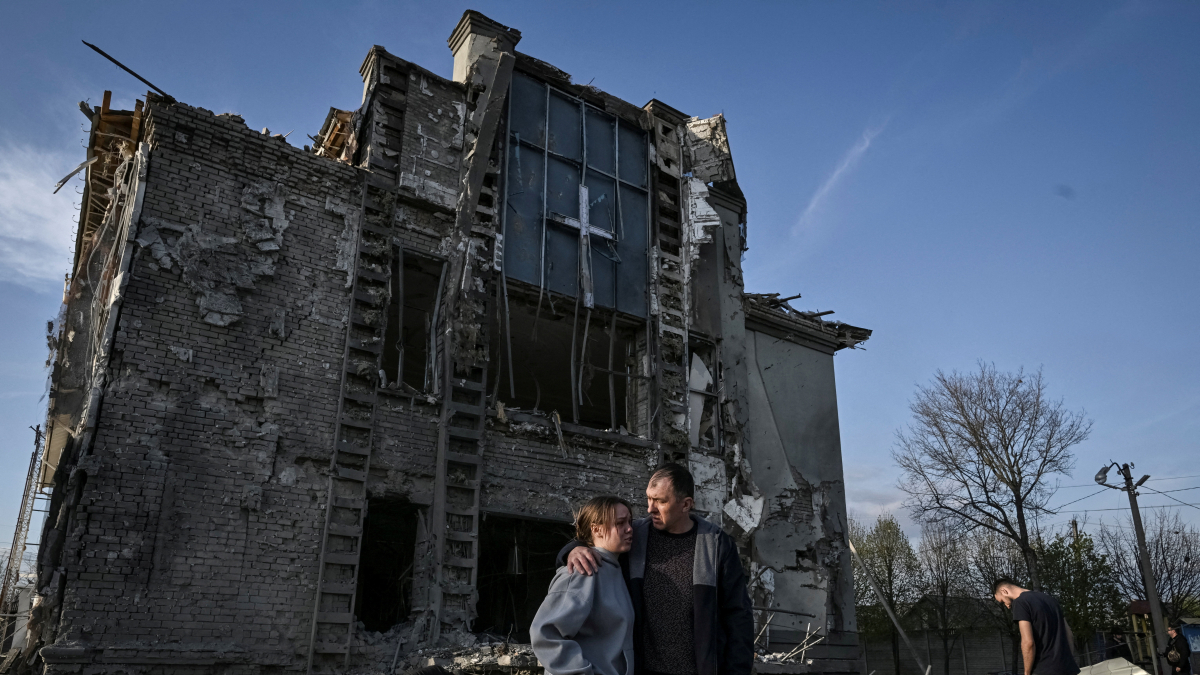
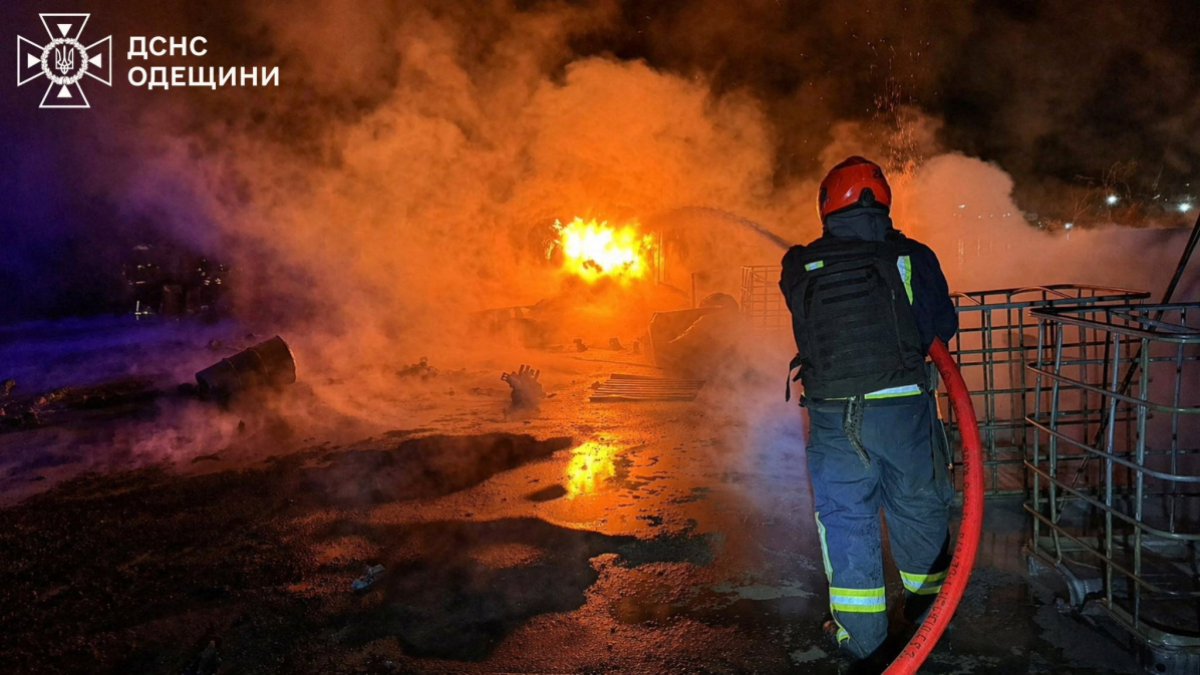
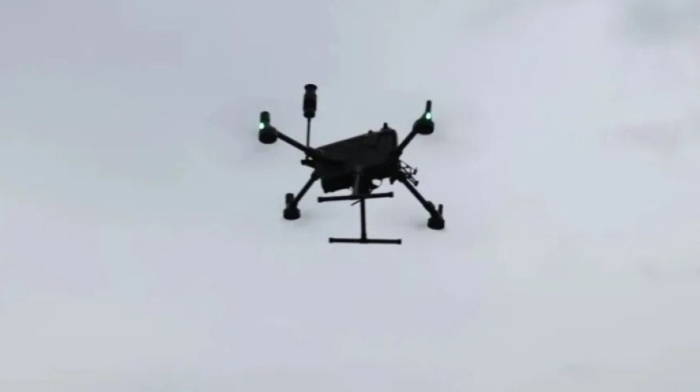
Over the last day, Ukraine has faced one of the most sustained and geographically widespread aerial assaults of the spring. Russian forces combined high-altitude ballistic missiles with large waves of low-flying “kamikaze” drones.
This latest barrage has shifted focus back towards the country’s logistical and energy infrastructure, including Ukraine’s largest Danube River port, Izmail, a critical hub for grain exports, which was targeted in the recent attacks.
Casualties: At least 16 people killed and more than 80 injured across the country.
New Tactics: The Institute for the Study of War (ISW) noted that Russian forces are employing a “new strike tactic” designed to keep air defences engaged for longer periods, disproportionately targeting civilian areas to exhaust Ukraine’s dwindling interceptor stockpiles.
Kyiv Double-Tap: In the capital, a "double-tap" strike reportedly targeted first responders who had arrived to assist victims of the initial bombardment. (In drone warfare, a “double-tap” is when a drone attacks a target and then the target is bombed a second time, often when first responders have arrived.)
Frontline stalemate and heavy losses
On the ground, the conflict remains a high-intensity stalemate, with the General Staff of the Armed Forces of Ukraine reporting 132 combat engagements in the past 24 hours.
Personnel and equipment: Ukraine claims that Russia lost approximately 1,000 troops and 114 artillery systems in a single day. This brings the estimated total of Russian personnel losses to more than 1.3 million since February 2022.
Pokrovsk direction: The most significant pressure remains in the Pokrovsk sector, where Ukrainian defenders reportedly repelled 32 separate assault actions.
Strategic reserves: The ISW assessed that the Russian military command is likely drawing on its strategic reserves to sustain these high-casualty offensives, as it continues to miss operational deadlines.
Geopolitical & economic developments
The tactical situation is increasingly influenced by broader regional instability and shifting alliances.
The "Iran Factor": President Zelenskyy stated that the ongoing war in Iran is “burning through” global stockpiles of advanced air defence systems, such as the Patriot, which Ukraine urgently needs. He has instructed air force commanders to press partners for the immediate delivery of committed missiles.
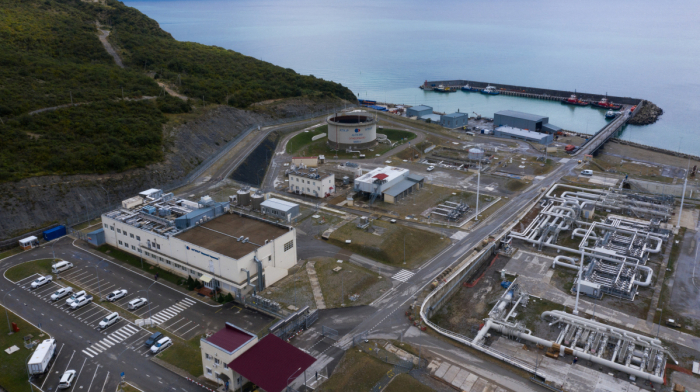
Energy war: While defending against strikes at home, Ukraine has continued its long-range campaign against Russian energy infrastructure. Reports from Al Jazeera and Russia Matters indicate that Ukrainian drone strikes have now effectively severed up to 40% of Russia’s oil export revenue by targeting Baltic Sea terminals such as Primorsk and Ust-Luga.
Diplomatic tensions: In a further complication for the Kremlin, internal dissent appears to be emerging. A Russian attack helicopter pilot reportedly released a suicide video claiming the military leadership is “criminal and corrupt” (Kyiv Post).
READ MORE















What is your opinion on this topic?
Leave the first comment