Prominent Indian politician Ajit Pawar dies in charter plane crash
A private charter flight carrying one of India’s most prominent regional politicians ended in disaster on Wednesday morning, plunging the nation’s...
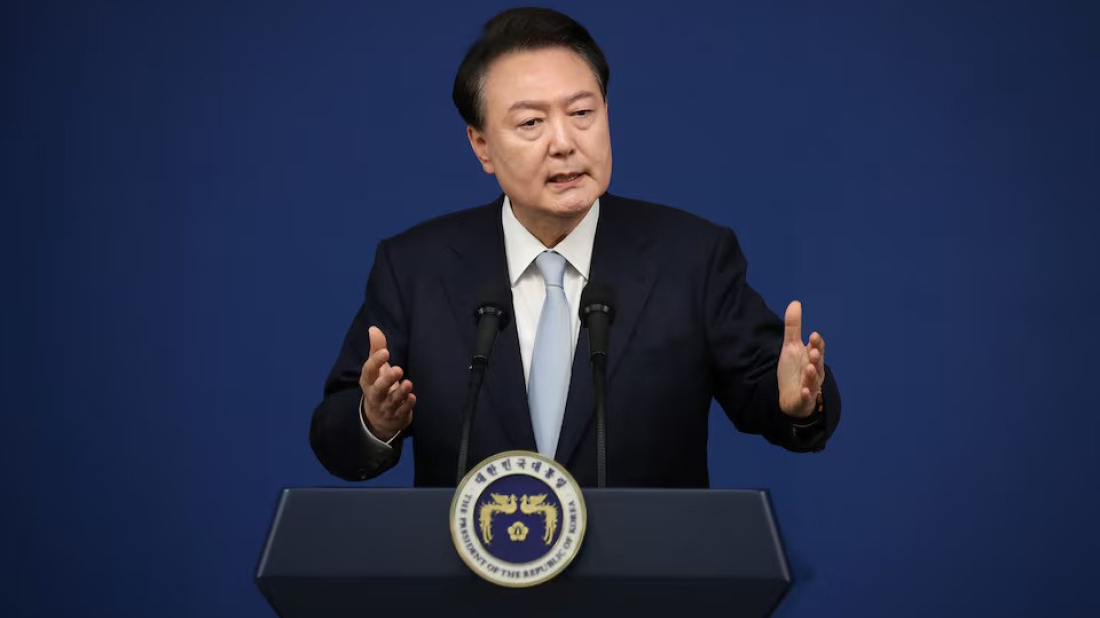
Impeached South Korean President Yoon Suk Yeol has been arrested on insurrection charges following his controversial December 3 declaration of martial law, marking the first time in the country’s history that a sitting president has faced such action.
South Korean authorities have arrested impeached President Yoon Suk Yeol on charges of insurrection tied to his declaration of martial law on December 3, investigators confirmed.
A motorcade was spotted leaving Yoon's fortified hillside residence, where he had been staying for weeks behind barbed wire and protected by a significant personal security detail. Yoon reportedly agreed to cooperate with investigators to avoid further violence.
Earlier that morning, more than 3,000 police officers and anti-corruption officials gathered at the site, pushing through crowds of Yoon's supporters and members of his ruling People Power Party who were protesting his arrest. Yoon's legal team argued the arrest attempt was unlawful and intended to disgrace him publicly. This marked the first time in South Korea’s history that an arrest warrant was issued against a sitting president.
Supporters of the impeached president clashed with police, while opponents also demonstrated nearby. Despite the frigid temperatures, some pro-Yoon supporters camped overnight near his residence, showing emotional solidarity with the embattled leader.
Authorities deployed 3,200 officers to carry out the arrest, facing resistance from hundreds of Yoon’s supporters and party members who had gathered before sunrise. On January 3, an earlier attempt to serve the historic arrest warrant failed after a standoff with Yoon’s presidential security team and military guards.

Iran’s Foreign Ministry has strongly rejected a U.S. magazine report on the death toll during January unrest. Nationwide protests erupted in response to soaring inflation and a national currency crisis.
The death toll from nationwide protests in Iran has climbed to 6,126, according to the U.S.-based Human Rights Activists News Agency (HRANA).
NATO Secretary General Mark Rutte said on Monday that Europe is "incapable" of defending itself alone without the United States, dismissing calls for a separate European defence force and stressing that transatlantic cooperation remains essential for the continent’s security.
Germany’s Federal Chancellery has addressed allegations that the current Chancellor Friedrich Merz filed hundreds of criminal complaints for defamatory remarks and insults against him in the years before he took office.
France’s National Assembly has approved a bill banning access to social media for children under 15, a move backed by President Emmanuel Macron and the government as part of efforts to protect teenagers’ mental and physical health.
Brussels and Hanoi are set to sign a historic diplomatic upgrade. The partnership focuses on de-risking supply chains, tapping critical minerals, and expanding semiconductor capacity.
Spain’s Socialist-led government presented a draft decree on Tuesday to expedite legal status for hundreds of thousands of undocumented immigrants.
Start your day informed with AnewZ Morning Brief: here are the top news stories for the 28 January, covering the latest developments you need to know.
Police arrested a man who sprayed Democratic U.S. Representative Ilhan Omar with a foul-smelling liquid in Minneapolis on Tuesday as she condemned the actions of U.S. Immigration and Customs Enforcement officials in Minnesota.
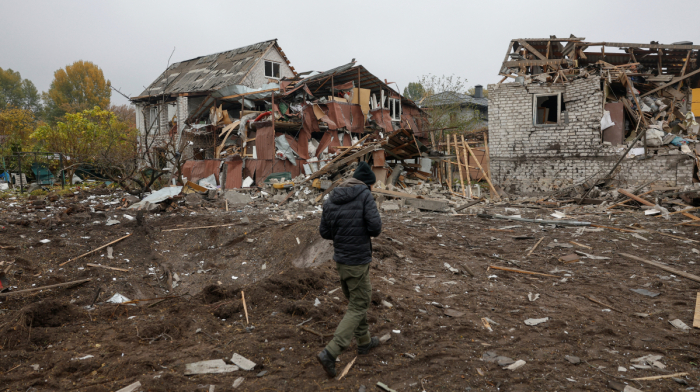
A Russian drone strike on a passenger train in northeastern Ukraine killed five people, prosecutors said on Tuesday, an attack denounced as terrorism by Ukrainian President Volodymyr Zelenskyy.
You can download the AnewZ application from Play Store and the App Store.
What is your opinion on this topic?
Leave the first comment