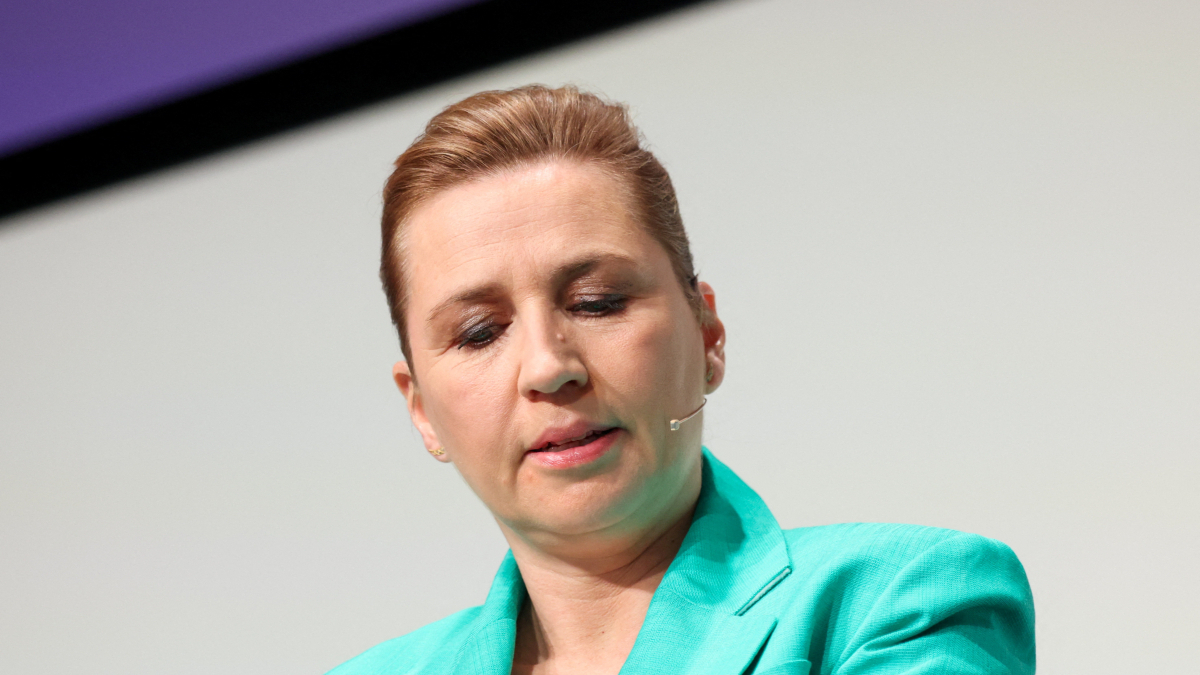
Danish Prime Minister Mette Frederiksen resigned on Wednesday after her coalition suffered a heavy election defeat, triggering negotiations over who will form the next government.
Frederiksen submitted her government’s resignation to King Frederik X of Denmark, the royal palace said, after her three-party coalition recorded its worst result in decades.
Parties are now expected to enter potentially lengthy and complex talks to determine whether Frederiksen can remain in power or if another leader will emerge to form a government.
Frederiksen’s Social Democrats were on course for their poorest election performance in more than a century, with projections showing them winning 38 seats in the 179-seat Folketing, down from 50 at the last election.
Domestic worries overshadow international issues
The result reflects mounting domestic pressure over the cost-of-living crisis, migration policy and welfare concerns, which overshadowed support for Frederiksen’s firm stance towards Washington over Greenland and her handling of international issues, including Russia’s war in Ukraine.
Her left-leaning bloc was projected to secure 84 seats, compared with 77 for right-leaning parties, leaving no clear majority and complicating coalition-building efforts.
Support for the anti-immigration Danish People’s Party, led by Morten Messerschmidt, surged to 9.1%, reflecting voter frustration over migration and economic pressures.
Meanwhile, the centrist Moderates party of Lars Løkke Rasmussen could play a pivotal role in determining the next government, with Rasmussen signalling demands for policy concessions, including opposition to a proposed wealth tax.
Frederiksen, who has led Denmark since 2019, acknowledged the difficulty of forming a government, saying negotiations could take weeks.
Her resignation comes amid a broader wave of anti-incumbent sentiment globally, as voters react to economic challenges and geopolitical uncertainty, including tensions involving the U.S. and the Arctic territory of Greenland.
The outcome leaves Denmark facing an uncertain political landscape as parties begin negotiations to shape the country’s next administration.













What is your opinion on this topic?
Leave the first comment