live U.S. launches Navy blockade of Iranian ports as Tehran vows retaliation- Tuesday 14 April
The U.S. military began a blockade of Iran's ports on Monday, President Donald Trump said, and Tehran threaten...
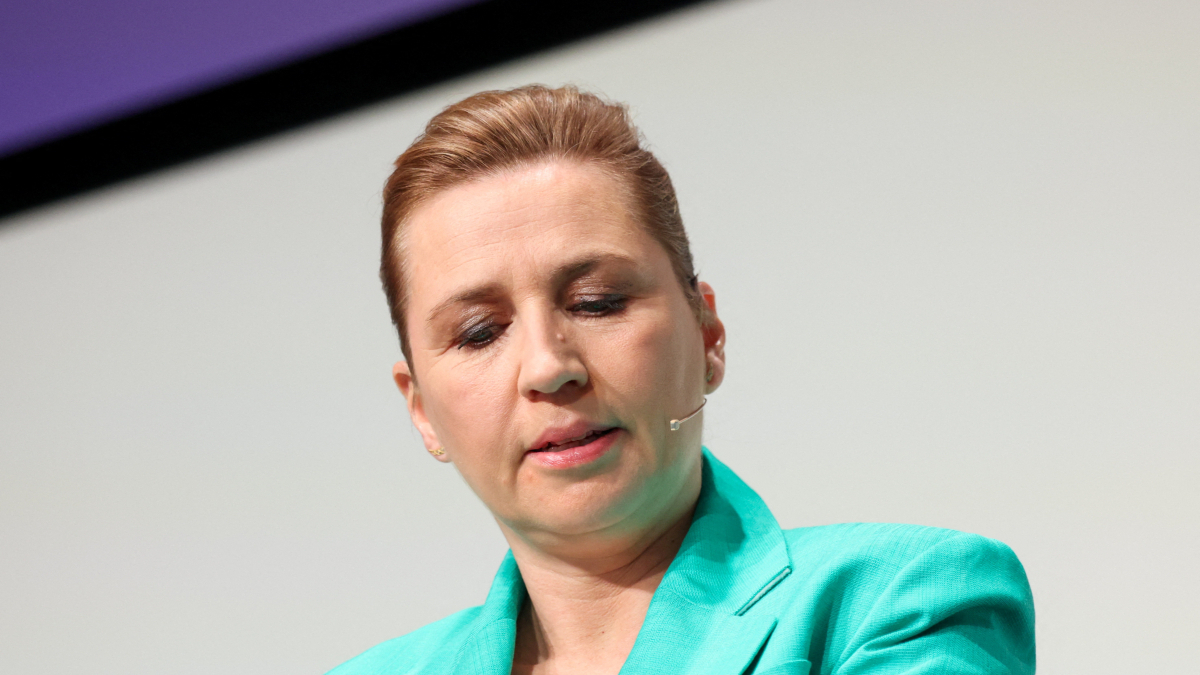
Danish Prime Minister Mette Frederiksen resigned on Wednesday after her coalition suffered a heavy election defeat, triggering negotiations over who will form the next government.
Frederiksen submitted her government’s resignation to King Frederik X of Denmark, the royal palace said, after her three-party coalition recorded its worst result in decades.
Parties are now expected to enter potentially lengthy and complex talks to determine whether Frederiksen can remain in power or if another leader will emerge to form a government.
Frederiksen’s Social Democrats were on course for their poorest election performance in more than a century, with projections showing them winning 38 seats in the 179-seat Folketing, down from 50 at the last election.
The result reflects mounting domestic pressure over the cost-of-living crisis, migration policy and welfare concerns, which overshadowed support for Frederiksen’s firm stance towards Washington over Greenland and her handling of international issues, including Russia’s war in Ukraine.
Her left-leaning bloc was projected to secure 84 seats, compared with 77 for right-leaning parties, leaving no clear majority and complicating coalition-building efforts.
Support for the anti-immigration Danish People’s Party, led by Morten Messerschmidt, surged to 9.1%, reflecting voter frustration over migration and economic pressures.
Meanwhile, the centrist Moderates party of Lars Løkke Rasmussen could play a pivotal role in determining the next government, with Rasmussen signalling demands for policy concessions, including opposition to a proposed wealth tax.
Frederiksen, who has led Denmark since 2019, acknowledged the difficulty of forming a government, saying negotiations could take weeks.
Her resignation comes amid a broader wave of anti-incumbent sentiment globally, as voters react to economic challenges and geopolitical uncertainty, including tensions involving the U.S. and the Arctic territory of Greenland.
The outcome leaves Denmark facing an uncertain political landscape as parties begin negotiations to shape the country’s next administration.

At a time of deepening global polarisation, rising conflict and shrinking space for dialogue, Pakistan is stepping into a historic role. Diplomatic engagements in Islamabad, bringing together regional powers amid the Iran crisis, signal both urgency and opportunity.
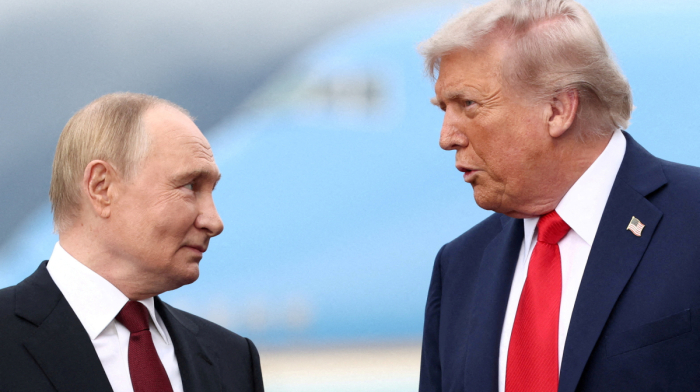
U.S. President Donald Trump warned that any Iranian ships approaching ports in the Strait of Hormuz would be "immediately eliminated" on Monday, as the U.S. started its blockade.
The U.S. military began a blockade of Iran's ports on Monday, President Donald Trump said, and Tehran threatened to retaliate against its Gulf neighbours' ports after talks in Islamabad on ending the war broke down at the weekend.
Afghanistan’s Foreign Ministry said on Sunday that talks with Pakistan had been positive, while Türkiye stressed the importance of stronger ties between Kabul and Islamabad.
Centre-right Peter Magyar's Tisza Party has won a landslide in Hungary after a night of counting in the Hungarian election. Viktor Orbán has conceded defeat after 16 years in power. "We have done it. Tisza and Hungary have won this election", Magyar said to cheering supporters in Budapest.
Spain’s plan to grant legal status to hundreds of thousands of undocumented migrants is facing early resistance, with immigration officers warning they may strike over a lack of preparation and resources.
Greenland’s prime minister has appointed his predecessor to oversee foreign affairs, as pressure from Washington intensifies over the Arctic island’s future.
The Kremlin has defended sweeping internet restrictions across Russia, saying measures such as blocking messaging platforms and virtual private networks are necessary for national security rather than a return to past controls.
Italy has suspended a long-standing defence cooperation agreement with Israel, marking a sharp shift in relations as tensions in the Middle East escalate.
British Prime Minister Keir Starmer is preparing legislation that would allow the UK to adopt new EU laws without full parliamentary votes, aiming to speed alignment with European rules in key areas such as trade, energy and food standards.
You can download the AnewZ application from Play Store and the App Store.
What is your opinion on this topic?
Leave the first comment