U.S.-Israeli strikes on Iran: What we know so far
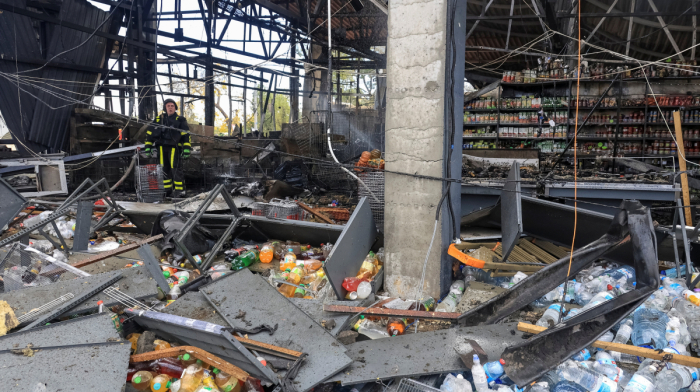
The United States and Israel have carried out large-scale strikes on Iranian leadership and military targets, with Iranian state media confirming t...
The Kremlin has warned that the latest US sanctions on Russia’s energy sector could destabilize global markets, with Moscow pledging to take measures to minimize the impact. The sanctions, aimed at cutting Russia’s war funding, target major oil producers and vessels involved in shipping Russian oil.
The Kremlin warned on Monday that the latest round of US sanctions targeting Russia's energy sector could destabilize global markets, with Moscow vowing to take steps to mitigate their impact. Kremlin spokesman Dmitry Peskov criticized the US for attempting to undermine Russian companies through non-competitive measures but expressed confidence in Russia's ability to counteract them.
Peskov added that such sanctions would inevitably disrupt international energy markets, including oil markets, and emphasized that Russia would carefully monitor the situation and adjust the operations of its companies to minimize the consequences of what he called "illegal decisions."
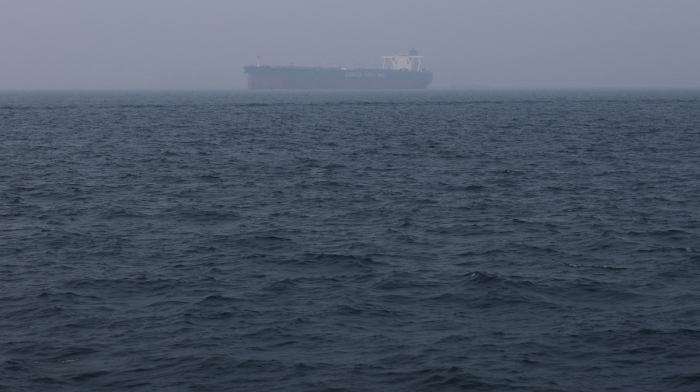
The US Treasury imposed new sanctions on Friday, targeting Russian oil producers Gazprom Neft and Surgutneftegaz, as well as 183 vessels involved in shipping Russian oil. The measures are intended to reduce Russia’s revenue, which funds its war with Ukraine. US officials suggest the sanctions could cost Russia billions of dollars monthly if fully enforced.
In response, Chinese and Indian refiners, which have been major buyers of Russian oil, are exploring alternative crude supplies. Many of the vessels affected by the new sanctions have been transporting oil to these countries. Peskov remarked that history has shown it is difficult to permanently block energy supply routes, and that Russia would seek alternative solutions to lessen the sanctions' impact.

Follow the latest developments and global reaction after the U.S. and Israel launched “major combat operations” in Iran, prompting retaliation from Tehran.
Tensions between the U.S. and Iran are escalating, with Washington ordering a significant military build-up in the region and multiple countries evacuating diplomatic staff amid fears of further instability.
Governments across the region responded swiftly to Israel’s strikes on Iran, closing airspace, issuing travel advisories and activating contingency plans amid fears of escalation.
Two people were killed and around 40 injured when a tram derailed in central Milan on Friday (27 February), a spokesperson for the local fire service said.
A senior Iranian official has warned Israel to “prepare for what is coming”, insisting that Tehran’s response to the latest escalation in the Middle East will be made openly and without limits.
Protests broke out in Pakistan and Iraq on Sunday after Iranian state media confirmed that Supreme Leader Ayatollah Ali Khamenei had been killed in joint U.S.–Israeli strikes. At least nine people were reported dead in clashes near the U.S. consulate in Karachi.
Afghanistan said it had fired at Pakistani aircraft over Kabul after explosions and gunfire rocked the capital early on Sunday, marking a sharp escalation in fighting between the two neighbours.
A senior Iranian official has warned Israel to “prepare for what is coming”, insisting that Tehran’s response to the latest escalation in the Middle East will be made openly and without limits.
Cuba has released extensive details of a deadly midweek shootout at sea, showing rifles, pistols and nearly 13,000 rounds of ammunition that it says were carried by a group of exiles who attempted to enter the island by speedboat.
Afghanistan’s Taliban rulers said on Friday (27 February) they were ready to negotiate after Pakistan bombed their forces in several Afghan cities, including Kabul and Kandahar, and Islamabad declared the neighbours were now in "open war".
You can download the AnewZ application from Play Store and the App Store.
What is your opinion on this topic?
Leave the first comment