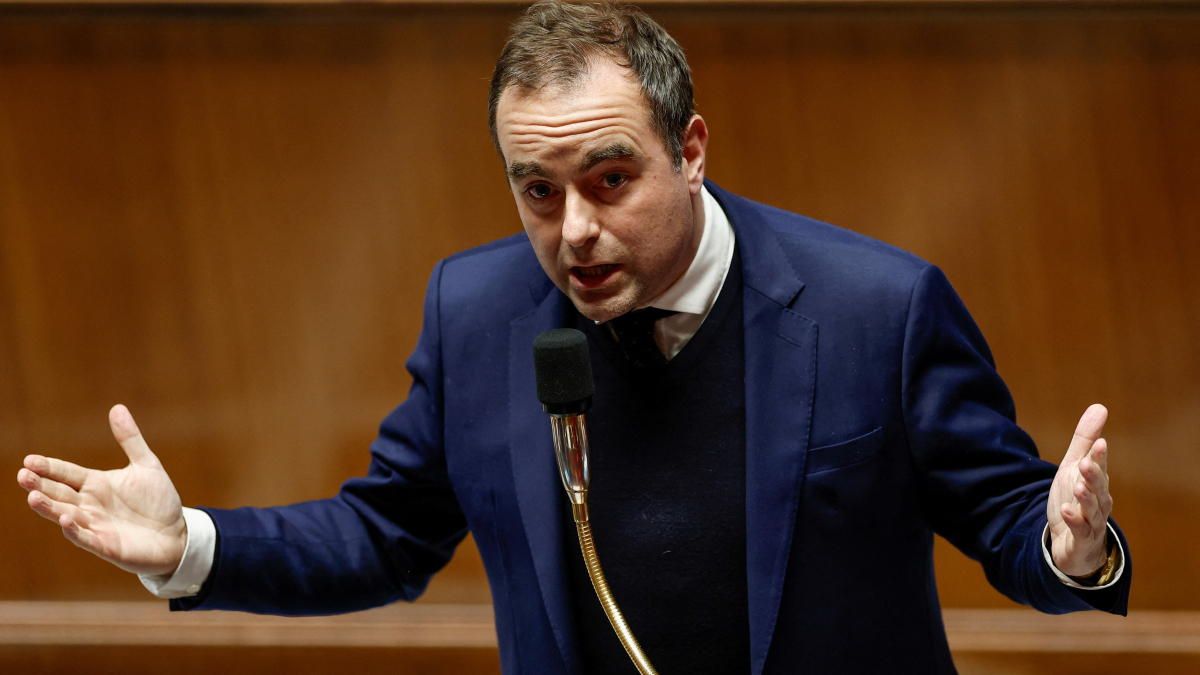
France’s 2026 state budget has been adopted by parliament after Prime Minister Sebastien Lecornu survived two no-confidence motions, ending months of political stalemate that had paralysed fiscal decision-making.
The National Assembly rejected a censure motion brought by left-wing parties after it secured 260 votes, short of the 289 required to bring down the minority government. A separate motion filed by the far-right National Rally also failed, gaining only 135 votes.
Because neither motion passed, the budget was automatically adopted under France’s constitution after Prime Minister Sebastien Lecornu last week invoked Article 49.3, which allows the government to push legislation through without a parliamentary vote. The bill has now been sent to the Constitutional Council for final review before promulgation.
In a post on X, Lecornu said France “finally” has a budget, stressing that the text is not solely the government’s but the result of a parliamentary compromise incorporating amendments from several political groups.
The 2026 budget seeks to reduce France’s public deficit from 5.4% of gross domestic product in 2025 to 5% in 2026. It includes tax increases on large corporate profits expected to raise more than €7 billion, while forecasting a state deficit of around €132 billion.
Several concessions were introduced during negotiations, notably one-euro meals for students and an increase in the activity bonus for low-income workers.
The budget battle has highlighted deep divisions inside France’s fragmented parliament, a situation that has persisted since President Emmanuel Macron lost his absolute majority and snap elections produced a hung legislature.
Appointed prime minister in late 2025, Lecornu inherited a parliament fractured along sharp ideological lines. His government has relied on shifting alliances to pass key legislation, and two of his predecessors lost their jobs during earlier budget crises.
Tensions ran high during Monday’s debate, with Lecornu accusing parts of the opposition of creating “permanent disorder”. The National Rally denounced what it called a “budget of punishment and deprivation” and urged lawmakers to bring down the government.
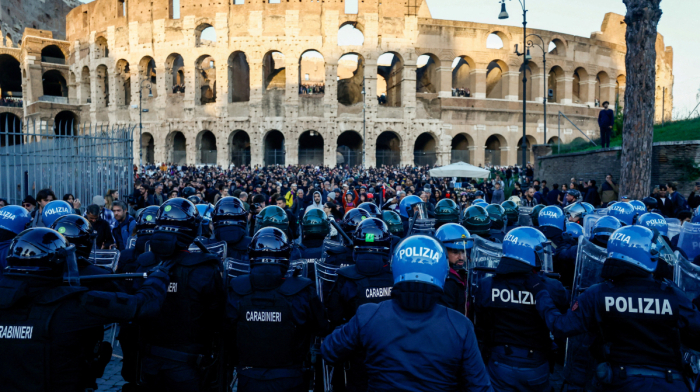
The pressure has been intensified by economic challenges. Inflation, wage demands and energy costs have fuelled public frustration, leading to regular protests across major cities. Unions have warned of renewed strike action if living standards do not improve.
European partners have been watching closely. France’s approach to spending and debt plays a central role in wider EU fiscal discussions, and prolonged political deadlock in Paris has raised concerns about the bloc’s ability to respond to economic pressures.












What is your opinion on this topic?
Leave the first comment