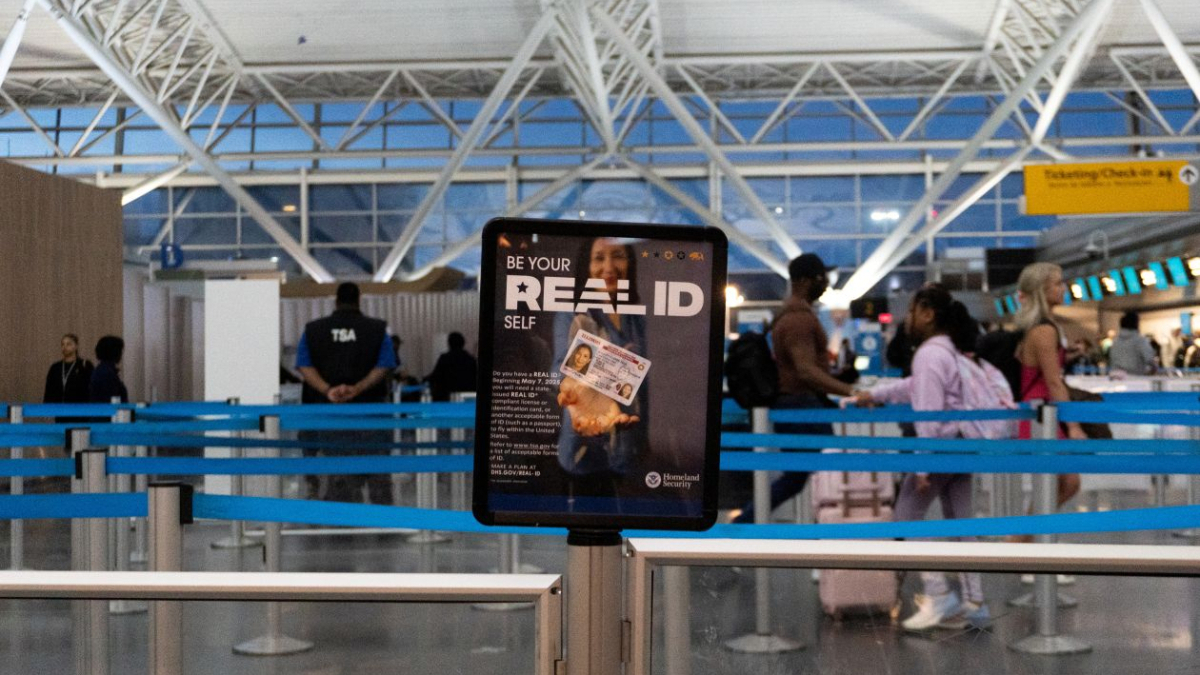
A senior official at the Transportation Security Administration (TSA) said on Wednesday that roughly 6% of U.S. air travellers are not presenting identification that meets stricter federal standards, as the agency prepares to start charging passengers without enhanced ID a $45 fee from 1 February.
In May 2025, the TSA began enforcing the standards known as “REAL ID”, but issued warnings and carried out enhanced screening for passengers without the new identification. The agency announced the new fee in December, urging those without REAL IDs to obtain them or pay the charge before arriving at the airport. The $45 fee will cover travel for a 10-day period.
TSA Deputy Administrator Ha Nguyen McNeil told a U.S. House of Representatives hearing that compliance had improved slightly, rising from about 93% last year to 94% now. She added that the Trump administration decided to increase the fee from $18 to $45 after reassessing the costs of dealing with travellers without REAL ID.
There are about 2.5 million air passengers in the U.S. each day.
McNeil said the fee is intended to cover the costs of processing people without acceptable ID and “to ensure they do not pose a threat to our skies”.
The $45 charge will be non-refundable, and it may take travellers up to 30 minutes to pay the fee at the airport if they fail to do so before arrival.
Children under 18 do not need to present ID at airport checkpoints. Most travellers use state-issued driver’s licences that meet the requirements, but passports issued by any government are also acceptable, along with other forms of ID such as permanent resident cards, Department of Defense IDs and DHS trusted traveller cards.
Congress approved new, stricter federal standards for issuing identification cards last year, but enforcement has been repeatedly delayed. The IDs are also required to enter federal buildings.
The 2005 law implemented the recommendation of the September 11 commission that the U.S. government set standards for issuing sources of identification, such as driver’s licences. The law sets minimum security standards for licence issuance and production.










What is your opinion on this topic?
Leave the first comment