The withdrawal of Emirati forces from Yemen after a Saudi-led airstrike has eased immediate tensions but exposed deeper divisions between the two Gulf allies over Yemen, Sudan and regional influence.
The withdrawal of Emirati forces from Yemen following a Saudi-led airstrike may help defuse an immediate confrontation between the United Arab Emirates and Saudi Arabia, but the incident has exposed simmering distrust between the two Gulf oil powers.
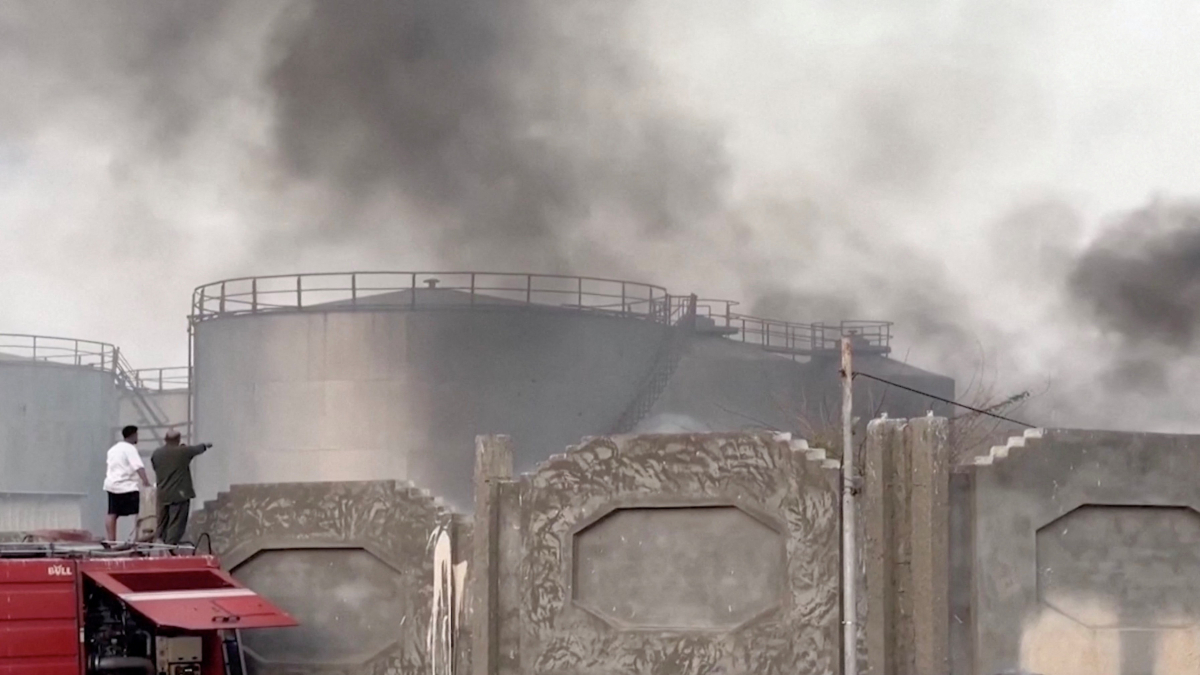
The airstrike, carried out early Tuesday on the southern Yemeni port city of Mukalla, was followed by calls for all UAE forces to leave Yemen and a statement from Riyadh declaring its national security a “red line.” The UAE said it was surprised by the strike and shortly afterward announced it was pulling its remaining forces from Yemen for their safety.
The crisis follows a surprise advance in early December by the UAE-backed Southern Transitional Council, or STC, which swept through large parts of southern Yemen, including areas of the strategically important Hadramout province. The advance brought STC forces close to Yemen’s border with Saudi Arabia, a region of cultural and historical importance to many Saudis.
The escalation has highlighted long-running differences between Saudi Arabia and the UAE on issues ranging from oil production policy to geopolitical influence.
A Gulf source familiar with Saudi thinking told Reuters that tensions were triggered by a misperception linked to talks in Washington in November between Saudi Crown Prince Mohammed bin Salman and U.S. President Donald Trump, during which Sudan was discussed. According to the source, the UAE leadership believed Saudi Arabia had sought stronger sanctions not only against Sudan’s Rapid Support Forces but also against the UAE itself — an account the Emirati foreign ministry neither confirmed nor denied.
Despite high-level contacts and phone calls between Riyadh and Abu Dhabi since December, the source said talks had yet to produce tangible results on the ground.
Any prolonged confrontation between Saudi Arabia and the UAE could complicate regional stability and undermine coordination within OPEC+, as both countries prepare for a virtual meeting with other oil producers.
“Relations between the two states are never easy, but the friction does appear to be at its most intense for years,” said Neil Quilliam, an associate fellow at Chatham House.
Both countries say they are engaging with Yemeni factions to contain the situation, though Saudi-led coalition airstrikes have continued in recent days. The STC has rejected calls to withdraw from areas it controls, saying it will continue securing Hadramout and the eastern Mahra province.
The latest flare-up comes against the backdrop of wider regional instability. While analysts say a repeat of the 2017 Gulf crisis is unlikely, tensions underscore how competition between allies can resurface during periods of regional strain.













What is your opinion on this topic?
Leave the first comment