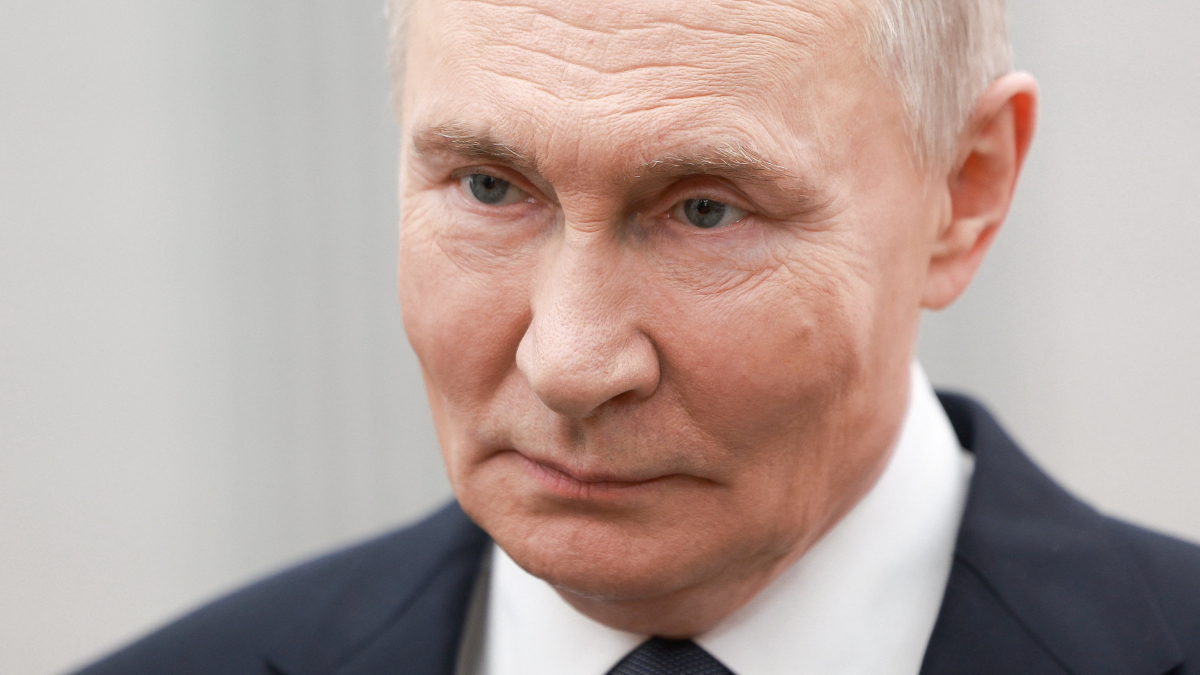
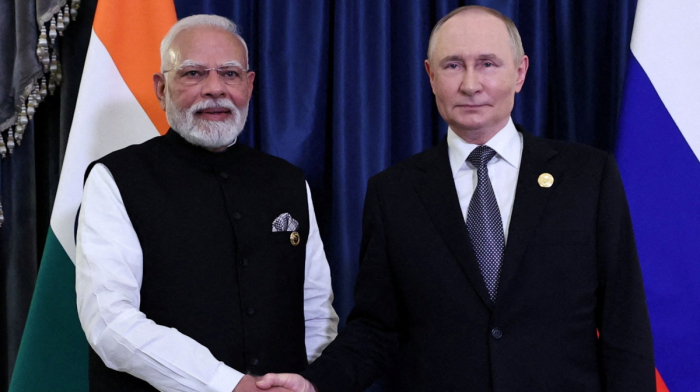
A UK public inquiry concluded on Thursday that Russian President Vladimir Putin must have ordered the 2018 Novichok nerve agent attack on former Russian double agent Sergei Skripal, describing it as a "reckless" display of power that led to the tragic death of an innocent woman.
The attack took place in Salisbury, southern England, in March 2018, when Skripal and his daughter, Yulia, were found unconscious on a public bench after Novichok was applied to the door handle of their home. The nerve agent, a military-grade poison, was smuggled into the UK in a counterfeit perfume bottle, which was later discovered by Dawn Sturgess, a mother-of-three. Sturgess died from exposure to the poison about four months after the attack.
The inquiry, led by former UK Supreme Court judge Anthony Hughes, found overwhelming evidence that the poisoning was carried out by GRU operatives, Russia’s military intelligence agency. Hughes stated in his report that he was "certain" the operation to assassinate Skripal was authorized at the highest level by President Putin, adding that the evidence pointed to a Russian state-sanctioned attack.
"I have concluded that the operation to assassinate Sergei Skripal must have been authorised at the highest level, by President Putin," Hughes said, reinforcing the public inquiry’s findings. "The evidence that this was a Russian state attack is overwhelming."
Despite the findings, Russia has consistently denied involvement in the Salisbury poisoning, labeling the accusations as anti-Russian propaganda. The Russian embassy in London responded by rejecting the report's conclusions, accusing the UK of using the findings to undermine ongoing peace negotiations concerning the war in Ukraine.
The inquiry highlighted the extreme recklessness of the attackers, who discarded the perfume bottle containing the deadly nerve agent, endangering many innocent lives. Hughes emphasized that those responsible for the attack, including the GRU operatives, their superiors, and Putin himself, bore moral responsibility for the death of Dawn Sturgess, whose death was directly tied to the poisoning.
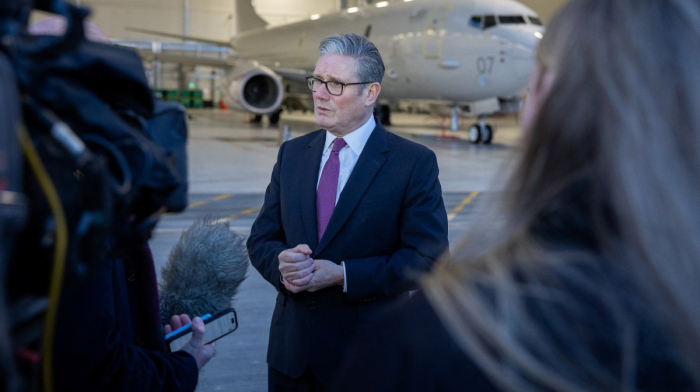
In response to the findings, the UK government announced new sanctions against the GRU and summoned the Russian ambassador to address what it called Russia’s "ongoing campaign of hostile activity." British Prime Minister Keir Starmer condemned Putin’s regime, declaring that the UK would "always stand up to Putin’s brutal regime and call out his murderous machine for what it is."
The Salisbury poisoning, which prompted the largest East-West diplomatic expulsions since the Cold War, remains a focal point in UK-Russia relations, which have continued to sour, especially following Russia's full-scale invasion of Ukraine in 2022. The incident marked a significant escalation in tensions between Moscow and London, and relations have since deteriorated further due to Russia's ongoing aggression in Ukraine.
The inquiry also revealed that two of the Russian suspects accused of carrying out the attack later appeared on Russian state television, denying any involvement and claiming they were innocent tourists visiting Salisbury's cathedral. All three individuals have denied any participation in the poisoning.
Hughes noted that the attack on Skripal was more than just an act of revenge. It was, according to the inquiry, a "public statement" by Russia, aimed at demonstrating its power both internationally and domestically. The report drew comparisons to other Russian actions, such as the annexation of Crimea in 2014 and the downing of a Malaysia Airlines passenger jet that same year, suggesting an increased "risk appetite" on the part of Russia.
The inquiry's findings align with a previous 2016 investigation, which concluded that Putin had likely ordered the 2006 assassination of former FSB officer Alexander Litvinenko in London, who was killed using radioactive polonium-210.
The new sanctions and the inquiry's conclusions serve as a reminder of the ongoing tensions between the UK and Russia, with Putin’s regime facing increasing international condemnation for its actions both within and beyond Russia’s borders.














What is your opinion on this topic?
Leave the first comment