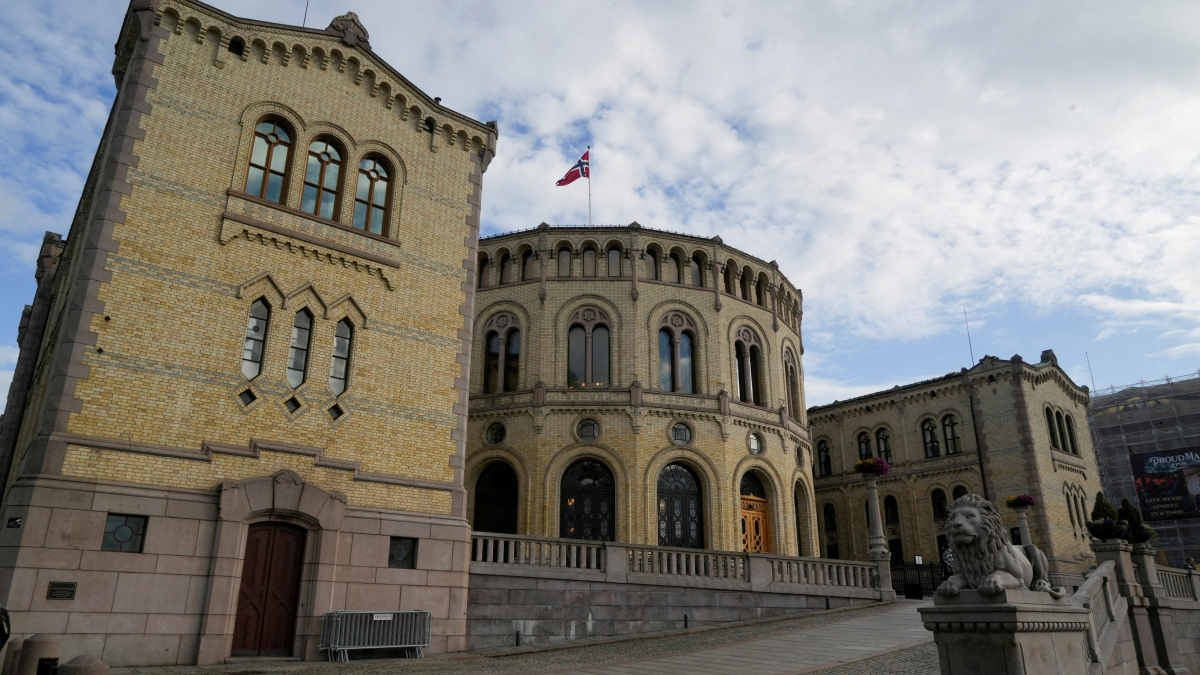
Prime Minister Jonas Gahr Støre has successfully steered his minority administration away from a potential collapse, securing vital parliamentary support for the 2026 fiscal plan following weeks of tense negotiations.
The eleventh-hour agreement with a bloc of four left-leaning parties averts a looming motion of confidence, stabilising the Labour-led government just months after it secured a fragile second term in the September general election.
The deal, finalised on Wednesday, notably excludes radical demands to dismantle the nation's petroleum industry and to divest its massive sovereign wealth fund entirely from Israeli business interests.
The standoff highlighted the precarious position of Støre’s cabinet. While Labour narrowly retained power in the autumn elections, the fracturing of the vote left the party heavily reliant on smaller factions—including the Socialist Left (SV) and the Green Party—to pass legislation.
Ideological red lines
Talks had previously broken down over two politically explosive issues that resonate far beyond Norway's borders.
The first was a push by the Socialist Left party for Norway’s $2 trillion (£1.58 trillion) sovereign wealth fund—the world’s largest—to divest from all Israeli companies due to the ongoing situation in the Middle East.
The fund, which owns approximately 1.5 per cent of all listed global stocks, is often viewed as a bellwether for ethical investing. However, Labour refused to sanction a blanket divestment.
"We can only apologise. We have turned over every stone and fought hard, but we lost the battle for the oil fund," SV leader Kirsti Bergstø said in a statement following the concessions.
Energy security vs. Climate action
The second major hurdle was the Green Party’s ultimatum for a binding plan to phase out the oil industry by 2040. As Western Europe’s largest supplier of natural gas and a major oil exporter, Norway has faced intense pressure to balance its lucrative energy exports with climate commitments.
Prime Minister Støre, keen to protect the country's economic engine, rejected the hard deadline.
"This government wants to develop, not dismantle [the oil industry]," Støre told parliament on Wednesday.
Instead of a phaseout, the parties agreed on a compromise: the appointment of a government commission to assess economic scenarios and adaptation measures as oil and gas production naturally declines in the coming decades.
A fragile path ahead
While the immediate threat has passed ahead of Friday's formal budget vote, analysts warn that the Nordic nation faces a turbulent political period.
"It is an illustration of the fact that we have a relatively weak government," Johannes Bergh, a political scientist at the Oslo-based Institute for Social Research, told Reuters.
"I think we'll have several crises like this over budget issues and probably also several instances in which the government is voted down in parliament on other policy issues."












What is your opinion on this topic?
Leave the first comment