Global arms revenues hit a record 679 billion dollars in 2024, reflecting a sweeping rearmament drive across major powers and rising military pressures from Europe to the Middle East.
The new SIPRI figures present a defence sector that has grown into its largest shape on record, pushed forward by conflicts in Ukraine and Gaza, deep geopolitical frictions and accelerating military budgets. For the first time since 2018, all five of the world’s biggest arms companies increased their revenues.
The upward curve was visible across almost every region, with one exception. Asia and Oceania slipped because of sharp declines in China’s arms industry, a rare reversal in a sector usually defined by steady expansion.
Across the United States, the numbers buried the idea of a plateau. The country’s 39 listed firms posted a combined 334 billion dollars in arms revenue, rising 3.8% from the previous year. Thirty companies recorded year-on-year growth, including Lockheed Martin, Northrop Grumman and General Dynamics.
Yet momentum did not come without strain. Some of Washington’s most important programmes remain locked in slow motion, with delays and spiralling costs on the F-35 combat aircraft, the Columbia class submarine and the Sentinel intercontinental ballistic missile. SIPRI researcher Xiao Liang warned that overruns could complicate U.S. military planning and challenge efforts to control defence spending.
Europe’s shift was even more dramatic, shaped by concerns stemming from the conflict in Ukraine and a broader reassessment of continental security. Of the 26 European companies in the Top 100, 23 increased revenue, lifting the region’s total to 151 billion dollars.
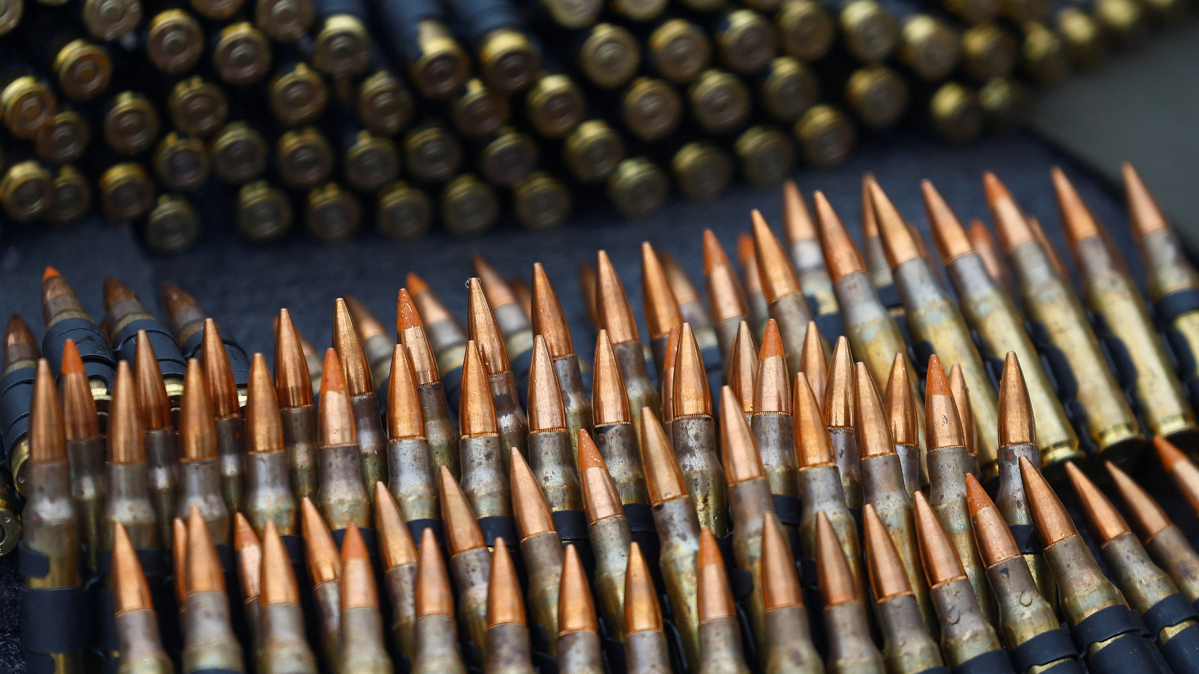
One company stood out from the rest. The Czech enterprise Czechoslovak Group recorded a 193% jump, the fastest rise of any firm in the entire ranking, reaching 3.6 billion dollars largely on the back of ammunition supplies sourced for Ukraine through the Czech Ammunition Initiative.
Ukraine’s own state producer, JSC Ukrainian Defense Industry, lifted its revenue by 41% to 3 billion dollars. Production lines across the continent are being expanded as companies try to meet demand, although supply chain stress is building.
SIPRI notes that Europe’s reliance on critical minerals is becoming a growing vulnerability. Airbus and Safran previously met half of their pre-2022 titanium requirements with Russian imports. Chinese export restrictions added a second layer of pressure. Thales and Rheinmetall both warned that reorganising supply chains will increase costs and complicate long-term planning.
Russia entered the ranking through just two companies, but both expanded sharply. Rostec and United Shipbuilding Corporation pushed their combined revenue to 31.2 billion dollars, up 23%. They did so despite sanctions that cut access to crucial components. Domestic demand appears to have more than compensated for lost exports. Analyst Diego Lopes da Silva said labour shortages inside Russia’s defence sector could slow innovation, although he also cautioned that predictions about limits on Russian production have repeatedly proven premature during the conflict.
Asia and Oceania broke from global patterns and became the only region to record a slight contraction, slipping 1.2% to 130 billion dollars. SIPRI attributes the regional decline mainly to reduced revenues among eight Chinese companies in the ranking, which posted a combined 10% drop, including a 31% fall at NORINCO. Several planned procurement cycles in 2024 were postponed, contributing to the overall slowdown.
Other parts of the region moved in a different direction. Japanese companies increased their combined revenue by 40% to 13.3 billion dollars, while South Korea’s four listed firms rose 31% to 14.1 billion dollars. Hanwha Group recorded a 42% increase, with more than half of its revenue coming from exports.
The Middle East broke records of its own. Nine companies from the region entered the Top 100, the highest number ever, with a combined revenue of 31 billion dollars. Israeli manufacturers reached 16.2 billion dollars after a 16% rise, and demand for their technology persisted despite international criticism of Israel’s actions in Gaza.
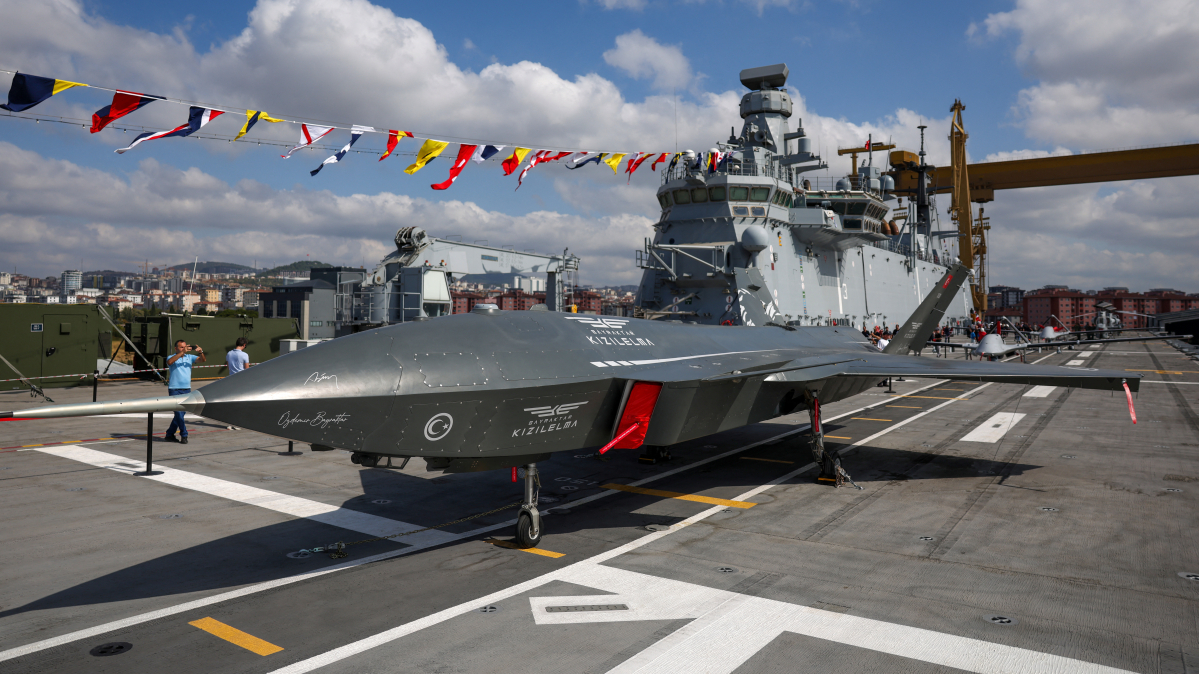
Türkiye’s presence strengthened with five companies included this year, reaching 10.1 billion dollars altogether after an 11% rise and boosted by the entry of MKE into the ranking. The UAE’s EDGE Group reported 4.7 billion dollars, maintaining its position as one of the region’s largest producers.
Further shifts show how global the rearmament cycle has become. India’s three listed companies grew their revenue by 8.2% to 7.5 billion dollars, lifted by domestic procurement. Germany’s four companies expanded by 36% to 14.9 billion dollars, driven by demand for air defence, armoured vehicles and ammunition. SpaceX entered the Top 100 for the first time as its revenue for military-related services more than doubled to 1.8 billion dollars. Indonesia’s DEFEND ID also debuted after industry consolidation and stronger domestic procurement pushed its revenue to 1.1 billion dollars.
SIPRI researchers say the industry has rarely faced a moment of such intense growth. Production lines are being expanded, facilities enlarged and new subsidiaries created to serve governments looking to rebuild their capabilities. Yet they also describe a system operating under pressure, with supply chain vulnerabilities, labour shortages and shifting procurement patterns shaping the next phase. The record figures point to a world in which military industries are preparing for long cycles of demand and governments are investing in the tools they believe they will need in an increasingly unstable landscape.















What is your opinion on this topic?
Leave the first comment