France's Louvre Museum began a security audit a decade ago but the recommended upgrades will not be completed until 2032, the state auditor said in a report on Thursday compiled before a spectacular heist there last month.
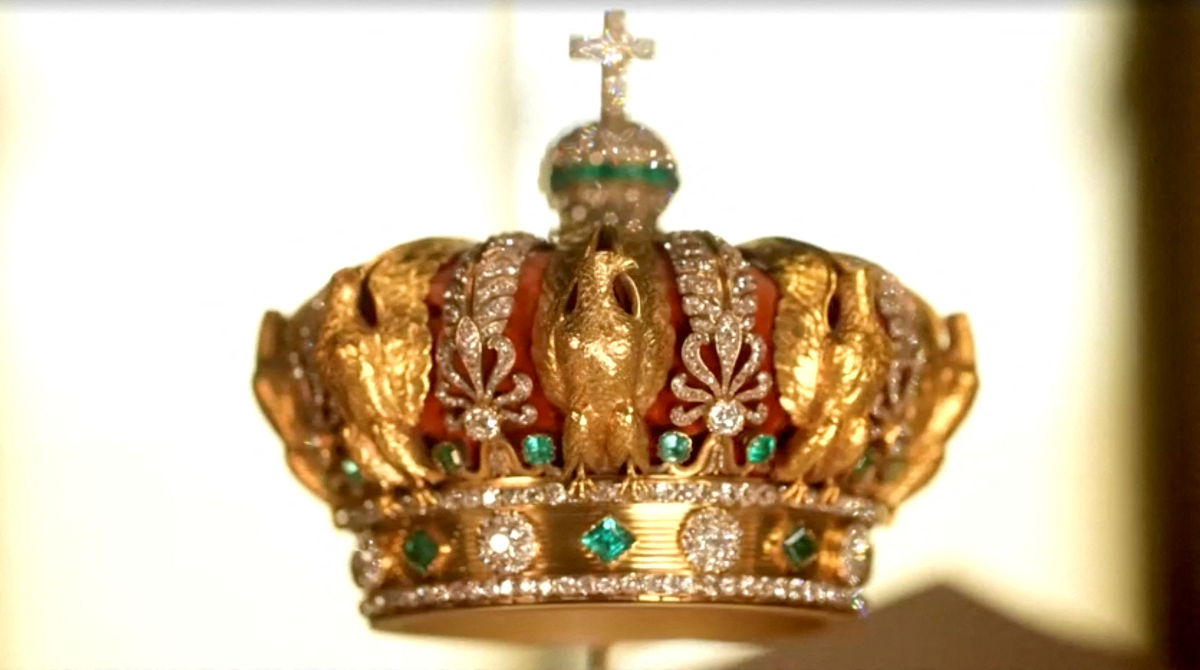
The Louvre's credibility in safeguarding its countless works was tarnished by the daylight robbery, in which four robbers made off with jewels worth $102 million, sparking debate around the shortcomings of the world's most-visited museum. Officials have admitted security was not up to scratch.
While investigators have charged four suspects for involvement in the raid, the treasures have yet to be recovered.
Excerpts from the report, which was published on Thursday by the national audit office, known as the Cour des Comptes, had already leaked in the media days after the raid.
Only 39% of the museum's rooms had cameras as of 2024, the report said, and a security audit begun in 2015, which found the museum was not sufficiently monitored or prepared for a crisis, only led to a tender for security works at the end of last year.
"It will take several years to complete the project, which, according to the museum, is not expected to be finished until 2032," the report said.
It also highlighted excessive spending to buy artwork and post-pandemic relaunch projects, as well as missed revenues from inefficiencies and ticketing fraud, as contributing to the museum's inability to fix its outdated infrastructure.
Even the development initiatives it announced this year were not based on feasibility studies, whether technical or financial, and did not consider staffing needs, the report said.
The report provided 10 recommendations including a drop in the number of acquisitions by the museum, an increase in its ticket prices and a refurbishment of its digital infrastructure and governance.
In the face of a "chronic under-investment in information systems", the auditor said, "the museum must strengthen its internal control function, which remains underdeveloped for an institution the size of the Louvre".
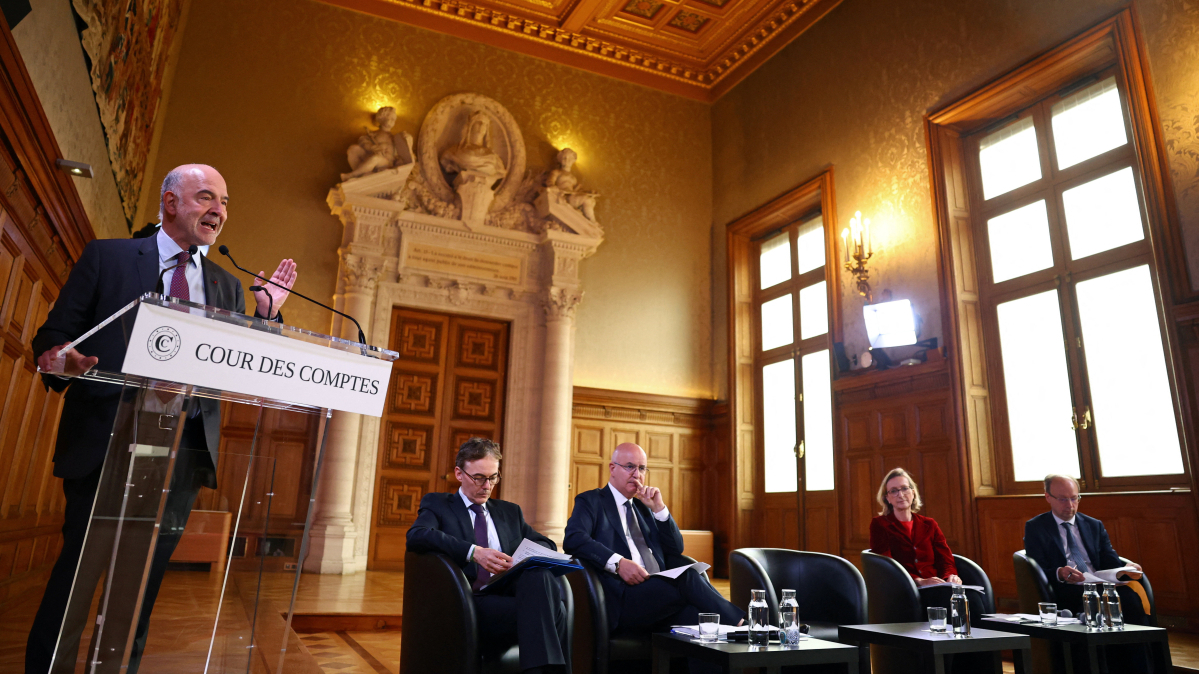
The theft only reinforces some of the considerations made in the report, the auditor's head Pierre Moscovici told journalists on Thursday, calling the robbery a "deafening" alarm.
After the robbery, French officials said the Louvre would introduce extra security, including anti-intrusion devices and anti-vehicle ramming barriers on nearby public roads, by the end of the year.
In January, amid growing complaints about disarray at the museum, France launched an ambitious development project involving a new space dedicated to Leonardo's Mona Lisa, the world's most famous painting, and new security steps to protect its visitors and precious exhibits.
In written remarks published by the audit office, Culture Minister Rachida Dati said she agreed on the urgency of the technical work and reiterated calls for swift corrective measures.
Louvre director Laurence des Cars said in the same document she supported most of the auditor's recommendations but insisted the museum's long-term transformation plan is essential to address its structural challenges.















What is your opinion on this topic?
Leave the first comment