live Ali Larijani: Israel says Iran Security Chief has been killed, Middle East conflict - 17 March
Israel's Defence Minister Israel Katz has said that Iran's security chief Ali Larijani was killed in ta...
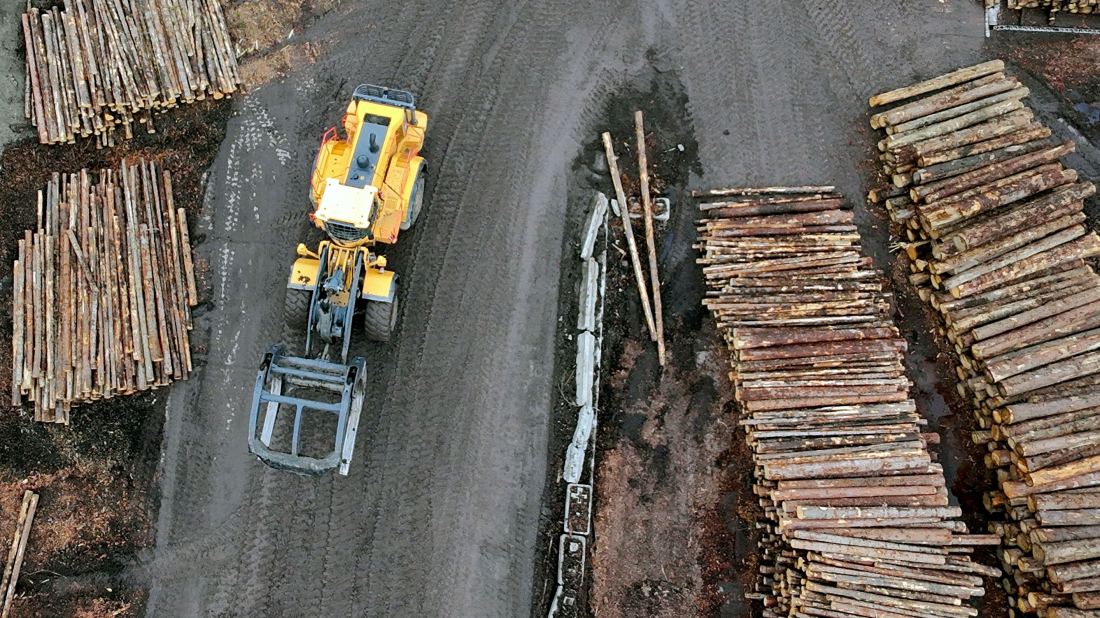
Canada’s forestry heartland is fuming after the U.S. announced fresh tariffs on lumber that are now higher than those imposed on Russia — a country under Western sanctions for its war in Ukraine.
The Trump administration’s latest 10% duty, added to an existing 35% levy, is a major blow to one of Canada’s most important export industries. British Columbia Premier David Eby slammed the move as an “attack on Canadian workers” and demanded immediate federal aid to keep sawmills and logging communities afloat.
“Our friends south of the border, with whom we have worked and fought side by side, now give us worse market access than Russia,” Eby said on Tuesday. “It’s shocking, and it demands an emergency response from Ottawa.”
The forestry sector drives much of British Columbia’s economy, generating about 100,000 jobs and billions in exports to the U.S. — CAN$5.6 billion in wood products and CAN$1.05 billion in pulp and paper in 2024 alone.
Eby urged Prime Minister Mark Carney’s government to treat the situation with the same urgency shown toward Ontario’s auto and steel industries, warning that rural livelihoods are on the line.
The new tariffs also include a 25% duty on furniture and related goods, broadening the trade rift.
Carney met with U.S. President Donald Trump in Washington last week, leaving talks with cautious optimism after Trump promised Canada would “walk away very happy.” The sharp tariff hike, however, has left industry leaders questioning what went wrong — and whether political promises are being traded for populist protectionism.

The other evening, I was fuelling my car at a petrol station in Kenya’s capital. It was one of those small moments most motorists barely notice. The attendant filled the tank, I glanced at the pump price, paid, and drove off.
President Trump called on countries to assist in reopening the Strait of Hormuz, while Starmer said the UK is working with allies to restore navigation and stabilise oil markets. It comes as a strike near Iraq’s western border killed several Hashed al-Shaabi fighters, raising regional tensions.
Top U.S. and Chinese economic officials launched a new round of talks in Paris on Sunday (15 March) to resolve issues in their trade truce. The discussions aim to smooth the way for U.S. President Donald Trump’s visit to Beijing to meet Chinese President Xi Jinping at the end of March.
Israel's Defence Minister Israel Katz has said that Iran's security chief Ali Larijani was killed in targeted strikes on the country.
Kazakhstan has adopted a new constitution that could allow President Kassym-Jomart Tokayev to stay in power beyond 2029. The Central Election Commission confirmed that 87.15% of voters backed the constitution in a referendum held on Sunday (17 March).
Chile’s newly inaugurated president, José Antonio Kast, has taken his first major step on immigration, launching plans for a fortified barrier along the country’s northern border just days after entering office.
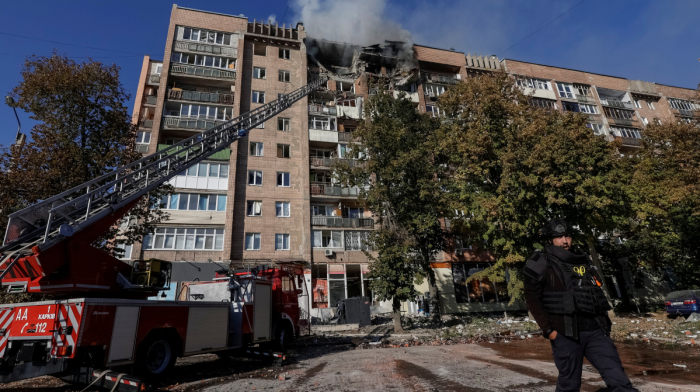
A Russian drone attack damaged industrial, port, and energy infrastructure in Ukraine's southern Odesa region overnight. The strikes disrupted power supplies in several settlements, prompting local authorities to switch critical facilities to backup power generators.
Start your day informed with AnewZ Morning Brief. Here are the top news stories for the 17 March, covering the latest developments you need to know.
Kouri Richins, a U.S. woman who penned a children’s book about bereavement after the death of her husband has been found guilty of killing him.
Senior officials from the United States and China met in Paris this week for a new round of trade talks, as the world’s two largest economies attempt to manage their economic rivalry and avoid further tensions.
You can download the AnewZ application from Play Store and the App Store.
What is your opinion on this topic?
Leave the first comment