Kazakhstan vows to fast-track AZAL crash investigation amid rising diplomatic tensions
Kazakhstan has vowed to speed up its investigation into the Azerbaijan Airlines (AZAL) crash near Aktau, as mounti...
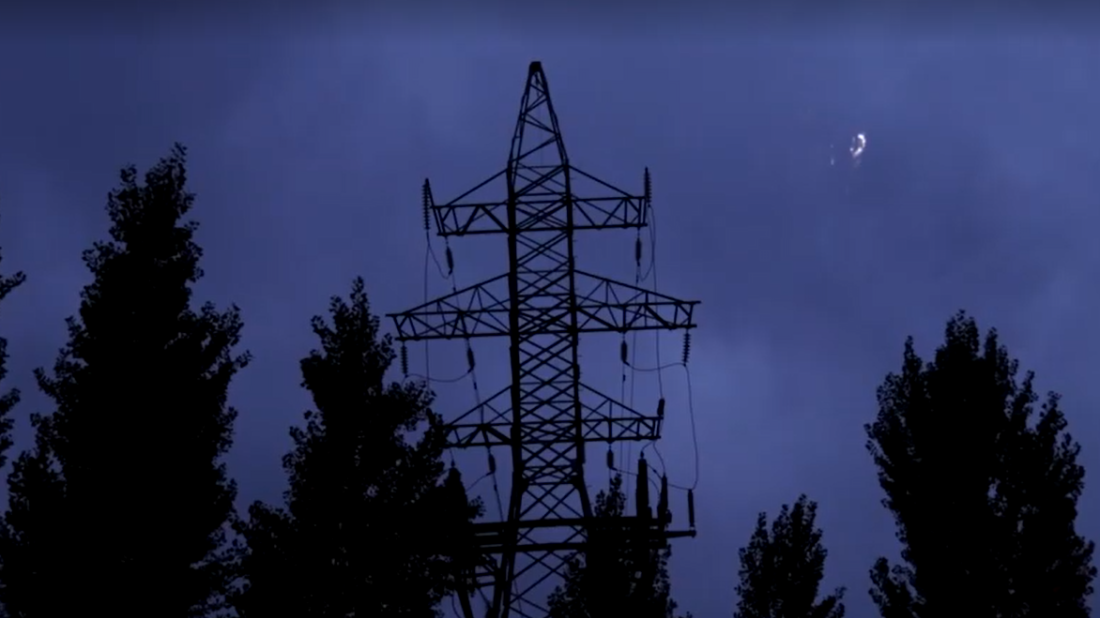
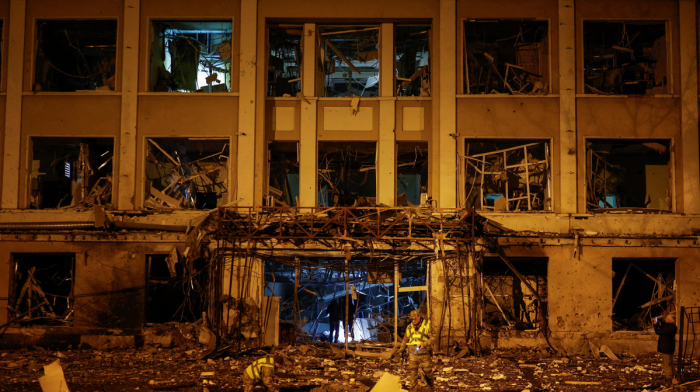
Large parts of Kyiv were plunged into darkness early Friday as Russian missiles and drones battered Ukraine’s energy grid, cutting off power and water to over a million homes and crippling transport links across the capital.
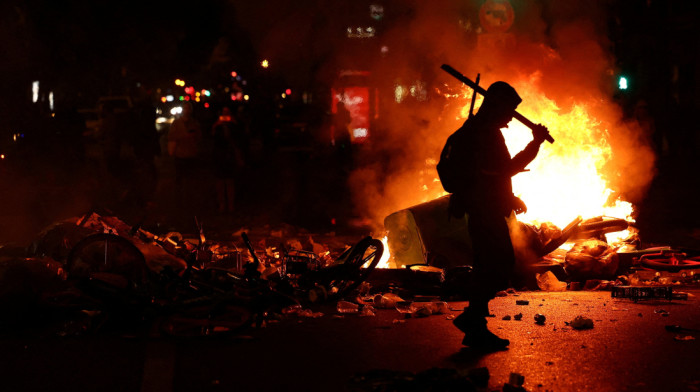
Ukraine woke to another night of terror as Russian forces launched a fresh wave of strikes targeting the country’s energy infrastructure. The attacks, among the heaviest in weeks, left large areas of Kyiv and nine other regions without power, days after officials warned Moscow was escalating pressure ahead of winter.
In southeastern Ukraine, a seven-year-old boy was killed when his home was hit, while at least 20 others were injured. In central Kyiv, debris damaged an apartment block, and on the left bank of the Dnipro River, crowds gathered at bus stops and water stations after metro services were suspended.
Ukraine’s energy ministry said over 800,000 customers in Kyiv alone lost power at some point overnight. Nationally, more than one million households and businesses were temporarily cut off as emergency crews worked to restore supply.
The latest barrage follows repeated Russian efforts to cripple Ukraine’s power grid, a campaign that has intensified as temperatures drop and energy demand rises. Authorities have warned of rolling blackouts through the winter as they race to repair substations and rebuild stockpiles of equipment destroyed by months of bombardment.

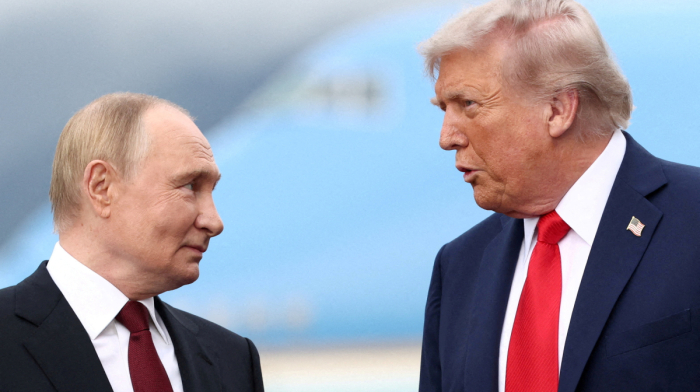
The Kremlin is utilising the recent United States and Israeli military strikes on Iran to validate its ongoing war in Ukraine. Russian officials are pointing to the escalation in the Middle East as evidence that Western nations do not adhere to international rules.
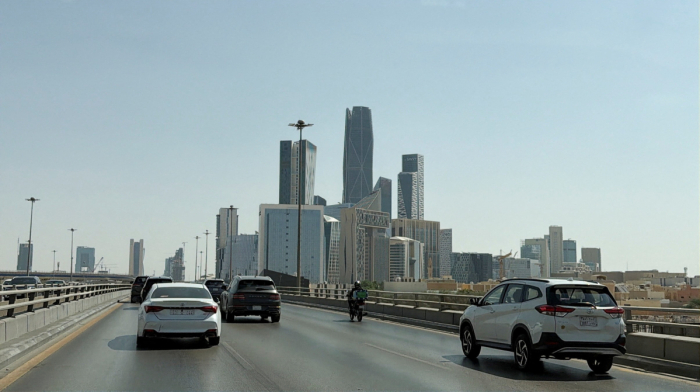
Saudi Arabia’s state oil giant Saudi Aramco closed its Ras Tanura refinery on Monday following an Iranian drone strike, an industry source told Reuters as Tehran retaliated across the Gulf after a U.S.-Israeli attack on Iranian targets over the weekend.
The Middle East crisis intensifies after the deadly attack on the compound of the Supreme Leader of Iran Ali Khamenei on Saturday that killed him, other family members and senior figures. Iran has launched retaliatory strikes on U.S. targets in the region.
U.S. President Donald Trump said the U.S. military has enough stockpiled weapons to fight wars "forever"; in a social media post late on Monday. The remarks came hours before conflict in Iran and the Middle East entered its fourth day.
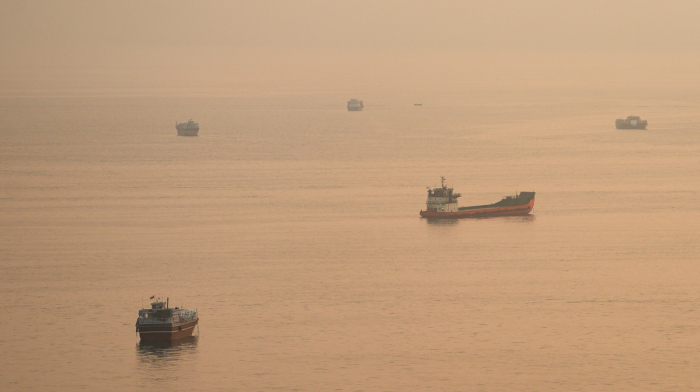
Türkiye raised its security level for Turkish-flagged vessels in the Strait of Hormuz to Level 3 on Sunday (2 March). The development follows Iranian restrictions on shipping after U.S. and Israeli strikes and confirmation of Supreme Leader Ali Khamenei’s death.
Strikes across the Middle East are intensifying, fuelling travel disruption, driving up global energy prices and forcing diplomatic missions to shut their doors as tensions continue to rise.
U.S. President Donald Trump has said the United States has a “virtually unlimited supply” of munitions and is capable of sustaining military action indefinitely, as the conflict with Iran entered its fourth day.
The United Nations has called for an investigation into a deadly attack on a girls’ primary school in Iran, which Iranian officials say has killed more than 100 children. The U.S. has said its forces “would not” deliberately target a school.
U.S. first lady, Melania Trump chaired a UN Security Council meeting on children and education in conflict on Monday (2 March), a move criticised by Iran as hypocritical following U.S. and Israeli strikes that triggered a UN warning about risks to children.
Start your day informed with AnewZ Morning Brief. Here are the top news stories for the 3rd of February, covering the latest developments you need to know.
You can download the AnewZ application from Play Store and the App Store.
What is your opinion on this topic?
Leave the first comment