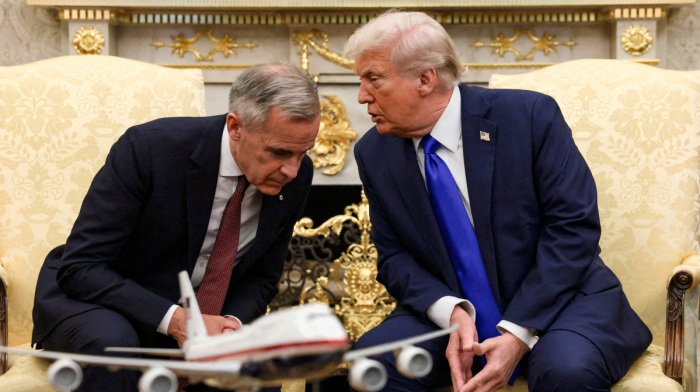
Trump sends second U.S. aircraft carrier to Middle East as Iran nuclear talks stall
“Respected and feared globally,” U.S. President Donald Trump told troops at Fort Bragg on Friday (13 February), framing America’s renewed streng...
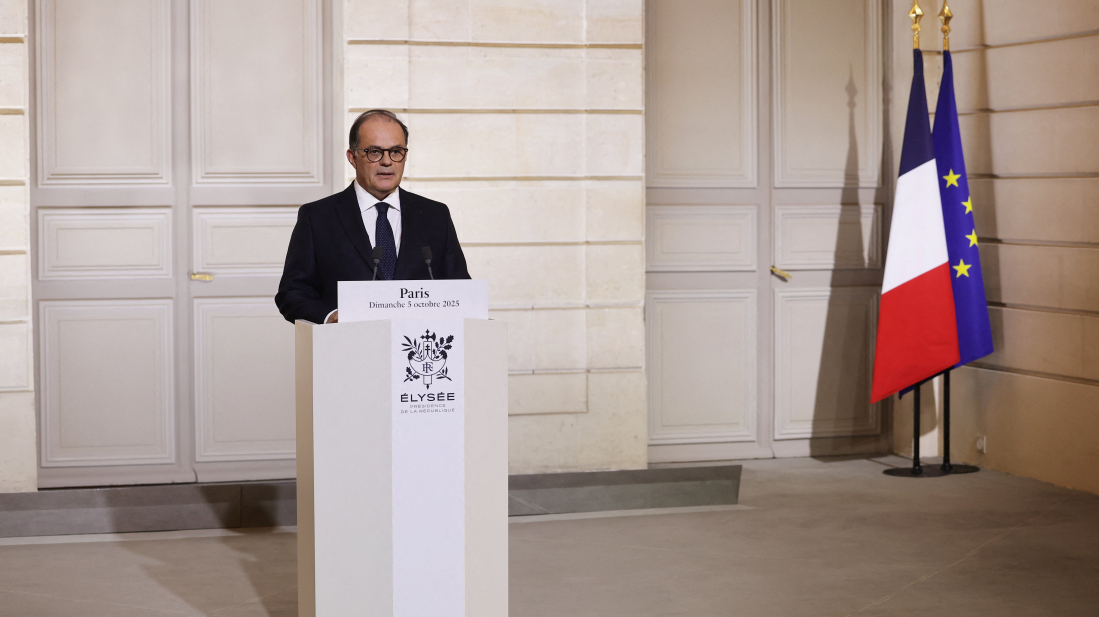
In Paris on 5 October, President Macron’s office revealed the lineup for the new French government under Prime Minister Sébastien Lecornu. Roland Lescure, a close ally of Emmanuel Macron, was tapped as finance minister, while the outgoing finance chief, Bruno Le Maire, was reassigned to defence.
Though many senior ministers survived the reshuffle: Jean-Noël Barrot continues at foreign affairs; Bruno Retailleau remains interior minister; Gérald Darmanin still holds the justice portfolio, the stakes on the economic front have just skyrocketed.
Lescure, who comes from a left-leaning background, and Prime Minister Lecornu now face the tough task of brokering a budget deal for next year in a deeply divided parliament as the year-end deadline looms.
Negotiations have become far more complicated, demanding delicate concessions across three ideologically opposed blocs in the hung legislature.
Lecornu’s two immediate predecessors were forced out over their efforts to cut France’s budget deficit, now the highest in the eurozone, at a moment when bond markets and rating agencies are scrutinising every move.
Trying to court Socialist support, Lecornu floated a wealth tax long demanded by the left, but expressly excluded business assets so as not to undermine companies or risk jobs.
He also explicitly ruled out using special constitutional powers to force the budget through parliament without a vote.

Europe heads into the Munich Security Conference, on Friday (13 February), amid deepening unease over U.S. policy, as President Donald Trump’s hard-line stance on defence, trade and territory fuels doubts about Washington’s long-term commitment to transatlantic security.
American figure skating star Ilia Malinin endured a dramatic collapse in the men’s free skate on Friday night, falling twice and tumbling out of medal contention at the Milan Cortina Winter Olympics as Kazakhstan’s Mikhail Shaidorov surged to a surprise gold medal.
“Respected and feared globally,” U.S. President Donald Trump told troops at Fort Bragg on Friday (13 February), framing America’s renewed strength against to mounting pressure on Iran amid stalled nuclear talks.
Dubai-based global ports operator DP World said on Friday that its long-serving chairman and chief executive, Sultan Ahmed Bin Sulayem, has stepped down following mounting pressure linked to alleged ties to disgraced financier Jeffrey Epstein.
Speaking at Munich Security Conference, Ukrainian foreign minister Andrii Sybiha calls for decisive steps ahead of expected Geneva talks
The U.S. Department of Homeland Security (DHS) has partially shut down after Congress failed to reach agreement on immigration enforcement changes, deepening a political standoff between the White House and Senate Democrats.
Israeli army chief Eyal Zamir said on Friday (13 February) that Israel remains committed to the complete demilitarization of the Gaza Strip and the disarmament of Hamas, calling for intensified operations to destroy tunnel networks and control access along the ceasefire line.
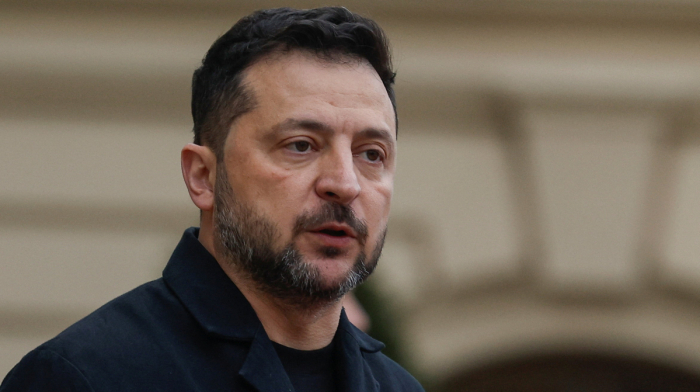
“Real security guarantees are needed before the war ends,” Ukrainian President Volodymyr Zelenskyy said at the Munich Security Conference on Saturday (14 February), warning that Russian aggression shows no sign of relenting.
Start your day informed with AnewZ Morning Brief: here are the top news stories for the 14th of February, covering the latest developments you need to know.
New Zealand declared a state of emergency in Otorohanga on Saturday (14 February) after torrential rain caused severe flooding, power outages and evacuations.
You can download the AnewZ application from Play Store and the App Store.
What is your opinion on this topic?
Leave the first comment