U.S. confirms troop deaths: All the latest news on Middle East conflict
The widening war between Iran, U.S. and Israel is leaving civilians and soldiers caught in its wake. Thousands are stranded across the Gulf, flight...
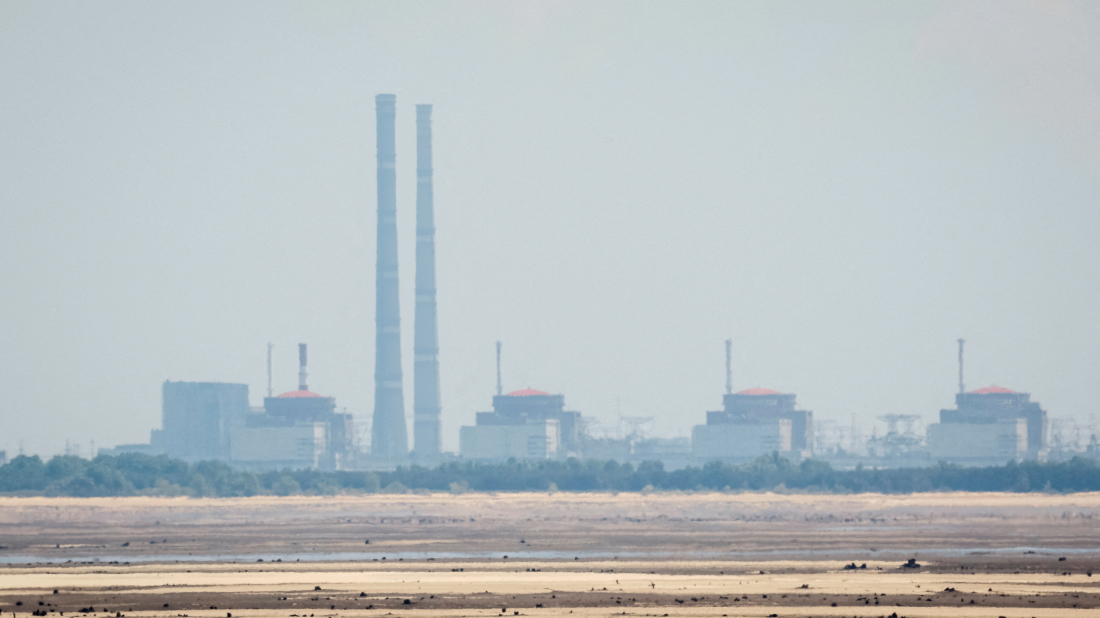
The Zaporizhzhia Nuclear Power Plant in Ukraine has now entered its sixth day running on emergency diesel generators, deepening fears of a potential nuclear disaster.
The U.N. atomic watchdog’s chief, Rafael Grossi, said in a post on X on Monday that the plant has been without offsite power for six days. He added that he met Ukrainian Foreign Minister Andrii Sybiha in Warsaw to discuss the crisis and that the International Atomic Energy Agency (IAEA) is working to help restore power.
External electricity was cut last Tuesday in what Greenpeace Ukraine described as the longest outage at the six-reactor facility since Russia seized it in 2022. The blackout has left the plant reliant on backup generators to cool reactor cores and spent fuel, with experts warning of risks comparable to Fukushima in 2011 if systems fail.
Ukraine’s Energy Minister Svitlana Hrynchuk said Russian shelling damaged the last transmission line linking the site to Ukraine’s grid, calling the loss of power a “significant violation” of safe operations and noting it was the tenth such incident since the invasion. Russia, however, insisted the facility has enough diesel reserves for continued generator use.
The Zaporizhzhia plant in southern Ukraine has been under Russian control since the early weeks of the war, with both Moscow and Kyiv repeatedly accusing each other of shelling the area.

The Kremlin is utilising the recent United States and Israeli military strikes on Iran to validate its ongoing war in Ukraine. Russian officials are pointing to the escalation in the Middle East as evidence that Western nations do not adhere to international rules.
Saudi Arabia’s state oil giant Saudi Aramco closed its Ras Tanura refinery on Monday following an Iranian drone strike, an industry source told Reuters as Tehran retaliated across the Gulf after a U.S.-Israeli attack on Iranian targets over the weekend.
The Middle East crisis intensifies after the deadly attack on the compound of the Supreme Leader of Iran Ali Khamenei on Saturday that killed him, other family members and senior figures. Iran has launched retaliatory strikes on U.S. targets in the region.
U.S. President Donald Trump said the U.S. military has enough stockpiled weapons to fight wars "forever"; in a social media post late on Monday. The remarks came hours before conflict in Iran and the Middle East entered its fourth day.
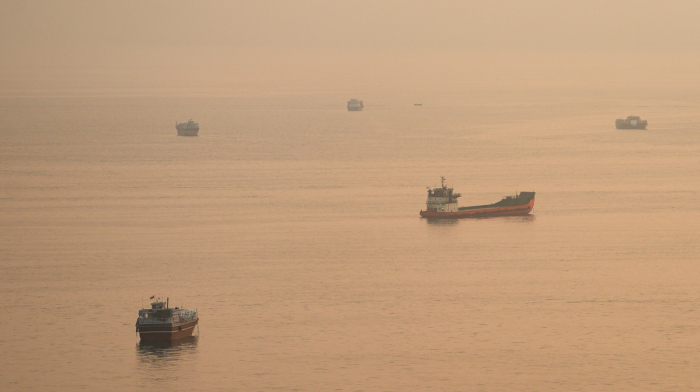
Türkiye raised its security level for Turkish-flagged vessels in the Strait of Hormuz to Level 3 on Sunday (2 March). The development follows Iranian restrictions on shipping after U.S. and Israeli strikes and confirmation of Supreme Leader Ali Khamenei’s death.
Strikes across the Middle East are intensifying, fuelling travel disruption, driving up global energy prices and forcing diplomatic missions to shut their doors.
U.S. President Donald Trump has said the United States has a “virtually unlimited supply” of munitions and is capable of sustaining military action indefinitely, as the conflict with Iran entered its fourth day.
The United Nations has called for an investigation into a deadly attack on a girls’ primary school in Iran, which Iranian officials say has killed more than 100 children. The U.S. has said its forces “would not” deliberately target a school.
U.S. first lady, Melania Trump chaired a UN Security Council meeting on children and education in conflict on Monday (2 March), a move criticised by Iran as hypocritical following U.S. and Israeli strikes that triggered a UN warning about risks to children.
Start your day informed with AnewZ Morning Brief. Here are the top news stories for the 3rd of February, covering the latest developments you need to know.
You can download the AnewZ application from Play Store and the App Store.
What is your opinion on this topic?
Leave the first comment