Syria says it assured Israel there were no plans for Turkish base
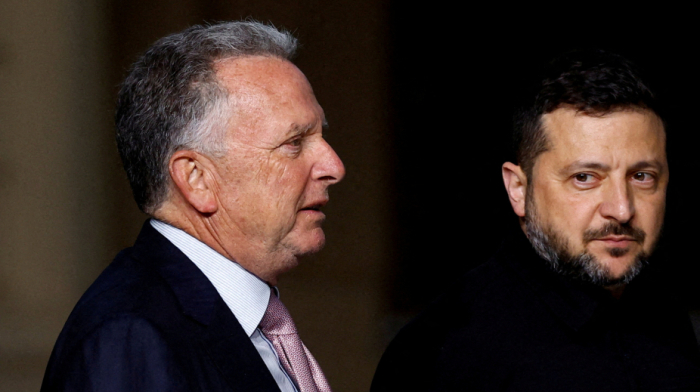
Syria says it assured Israel that Türkiye had no plans to establish a military presence at the Abu al-Duhur airbase before Israeli forces stru...
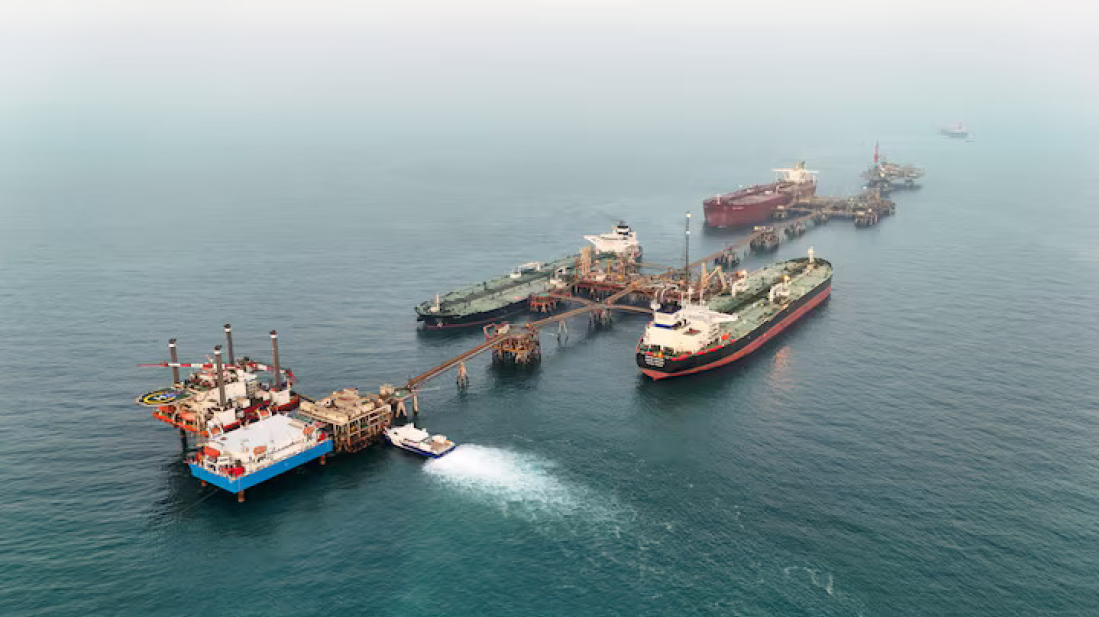
Iraq has increased its oil exports following the gradual easing of voluntary production cuts under the OPEC+ agreement, according to the country’s state oil marketer, SOMO, on Sunday. Earlier this month, eight OPEC+ members agreed to raise production by 137,000 barrels per day from October.
OPEC+ has been gradually increasing production since April, after years of cuts designed to support the oil market.
The increase in Iraqi exports is expected to generate hundreds of millions of dollars in additional revenue at current price levels, said Ali Nizar Al-Shatari, SOMO's director general, in an interview with the Iraqi state news agency.
While he did not specify the exact rise in exports, he noted that an additional 200,000 barrels per day would significantly boost government revenues.
Iraq’s oil exports averaged 3.38 million barrels per day in August, according to the oil ministry. SOMO expects the average for September’s exports to range between 3.4 million and 3.45 million barrels per day.
Earlier this month, Iraqi Prime Minister Mohammed Shia al-Sudani expressed hope that fellow producers would reconsider Iraq’s oil export quota to better align with its production capacity.
As OPEC’s largest overproducer, Iraq has been under pressure from the group to reduce output to compensate for exceeding its agreed quota.
Iraq was among the countries that submitted plans in April to implement further output cuts to offset production above its allocated quotas.

The collective-defence agreement between Türkiye, Saudi Arabia and Pakistan signals that regional powers no longer want to rely solely on external security guarantees. Whether it becomes a stabilising deterrent or another axis of rivalry remains unresolved.
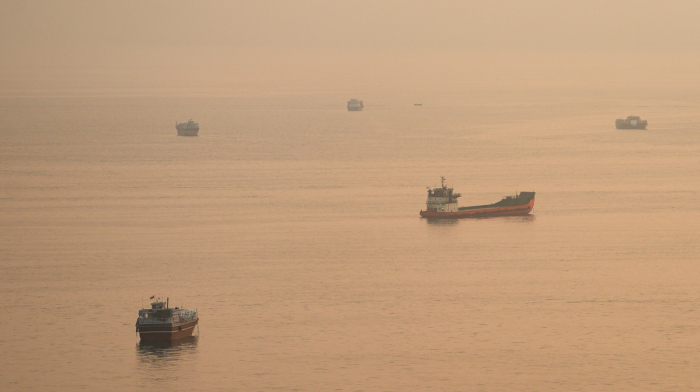
Shipping through the Strait of Hormuz has slowed, according to the latest data, as uncertainty over the waterway’s reopening kept most shipowners away. Six commodity vessels crossed the strait on Tuesday, down from nine the day before and below the 10-day daily average of 11.
Shipping traffic through the Strait of Hormuz remains limited on Thursday, with no increase in vessel crossings as U.S.-Iran talks to resolve the conflict remained stalled. Nine commodity vessels transited the key waterway on Wednesday, unchanged from the previous day, according to Kpler data.
Iran has said the Strait of Hormuz will remain closed until the U.S. fulfils the terms of an interim deal, including lifting the maritime blockade and sanctions and releasing Iran’s frozen assets.
Start your day informed with AnewZ Morning Brief. Here are the top news stories for the 19th of August, covering the latest developments.
Five years after Evergrande's debt crisis rattled global markets, founder Hui Ka Yan has been sentenced to life in prison, marking a dramatic new chapter in the downfall of China's former property giant.
Shipping traffic through the Strait of Hormuz remains limited on Thursday, with no increase in vessel crossings as U.S.-Iran talks to resolve the conflict remained stalled. Nine commodity vessels transited the key waterway on Wednesday, unchanged from the previous day, according to Kpler data.
South Korea estimates North Korea possesses between 80 and 120 nuclear warheads, its defence minister said on Thursday, citing a range significantly higher than U.S. President Donald Trump's recent assertion that Pyongyang has 57 nuclear weapons.
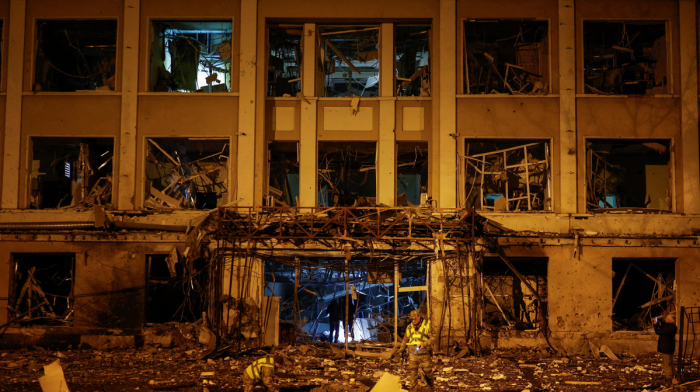
Russian ballistic missile strikes on Ukraine’s capital Kyiv has killed at least sixteen people and injured more than forty others, Ukrainian officials said, with fires reported across the city and Poland activating defensive air operations.
Start your day informed with AnewZ Morning Brief. Here are the top news stories for the 20th of August, covering the latest developments.
You can download the AnewZ application from Play Store and the App Store.
What is your opinion on this topic?
Leave the first comment