Sharif Osman Hadi: Bangladesh on edge after youth leader's death sparks protests
Police and paramilitary forces have been deployed across Bangladesh after violent protests erupted overnight over the killing of a prominent youth lea...
Egypt and Sudan on Wednesday described Ethiopia’s Nile River dam as a “threat” to their countries, citing serious consequences for water security and regional stability.
The statement followed talks in Cairo between Egyptian Foreign Minister Badr Abdelatty, Irrigation Minister Hani Sweilam, and a Sudanese delegation led by State Minister of Foreign Affairs Omar Sediq.
“The consultations addressed developments regarding the Ethiopian dam, and both parties agreed that the dam, which violates international law, has serious consequences for downstream countries and represents a continuous threat to stability in the Eastern Nile Basin,” the statement said.
Ethiopian Prime Minister Abiy Ahmed, meanwhile, has emphasized that the completed dam ensures a steady flow of water year-round for Egypt and Sudan, prevents floods, and has not caused harm. The dispute, which began with the dam’s construction in 2011, revolves around the filling and operation of the dam. Egypt and Sudan insist on a binding trilateral legal agreement, while Ethiopia maintains no such agreement is necessary.
Egypt and Sudan stressed that “the water security of Sudan and Egypt is one and indivisible” and rejected unilateral actions by Ethiopia that could harm their water interests. They also highlighted risks related to dam safety, uncontrolled water discharges, and drought management.
The statement called on Ethiopia to revise its policy in the Eastern Nile Basin and emphasized that the dispute remains a matter for the three countries only, rejecting attempts to involve other Nile Basin nations.
The Nile River, shared by 11 countries, stretches 6,650 kilometers (4,132 miles) across East Africa.
In a related development, Egypt reaffirmed its support for Sudan’s unity and sovereignty, rejecting all attempts to threaten its national institutions. Foreign Minister Abdelatty highlighted Egypt’s backing for regional and international efforts to resolve the Sudanese crisis through a Sudanese-led political process aimed at achieving a cease-fire.

The latest clashes between Thailand and Cambodia mark a dangerous escalation in one of Southeast Asia’s oldest and most sensitive disputes.
European Union leaders have agreed to raise up to €90 billion through joint borrowing to support Ukraine’s defence in 2026 and 2027, opting not to use frozen Russian state assets amid legal and political concerns.
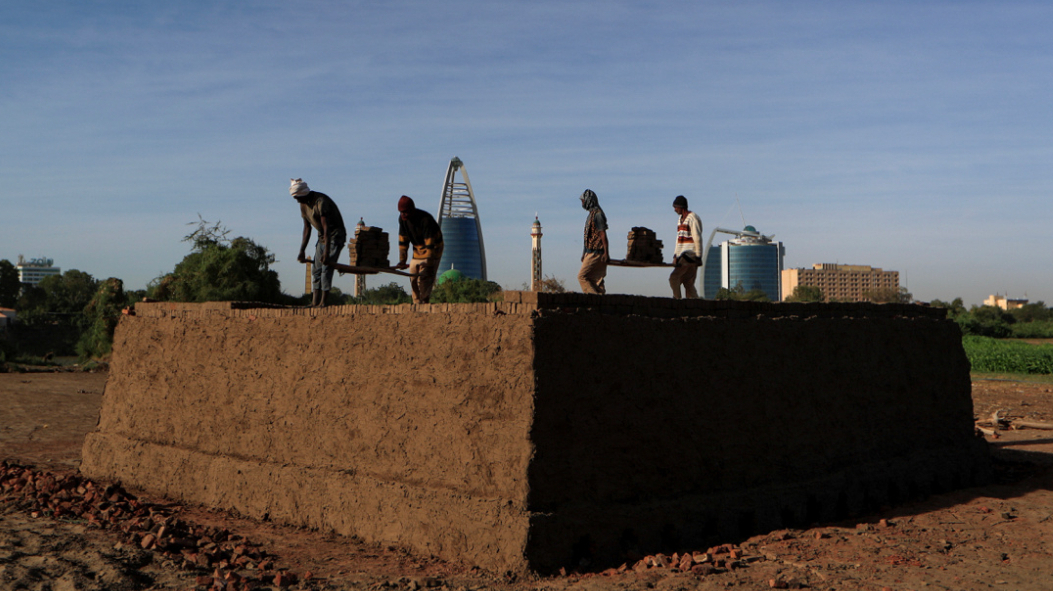
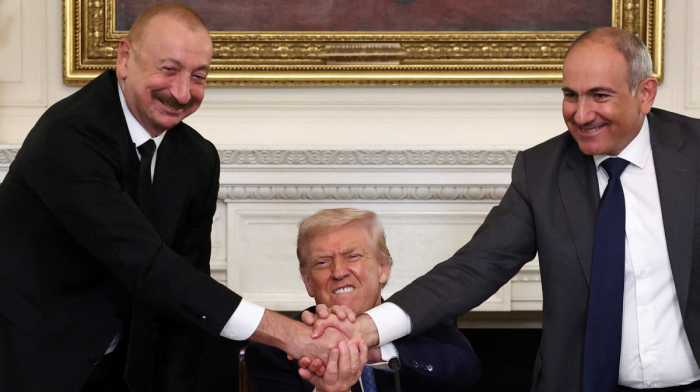
Petroleum products are being transported by rail from Azerbaijan to Armenia for the first time in decades. The move is hailed as a tangible breakthrough in efforts to normalise relations between the long-time rivals.
European Union foreign policy chief Kaja Kallas has warned that attempts to reach a peace agreement in Ukraine are being undermined by Russia’s continued refusal to engage meaningfully in negotiations.
More than 17 million people in Afghanistan are facing acute food insecurity this winter, according to the United Nations World Food Programme (WFP).
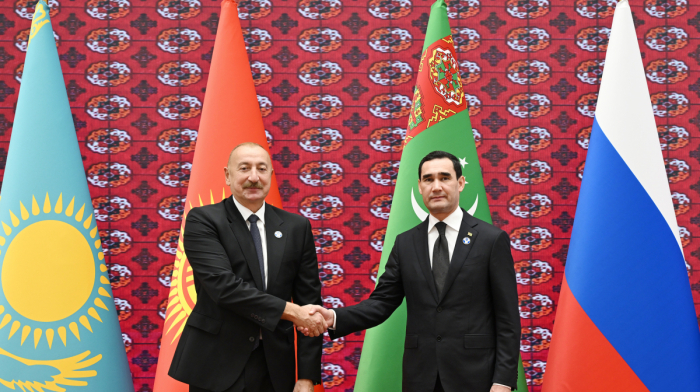
Kazakh President Kassym-Jomart Tokayev’s first official visit to Japan marks a notable moment in relations between the two countries, reflecting a shared interest in deepening cooperation.
The long-running geopolitical tug-of-war over the world’s most popular short-form video application appears to have reached its finale, resolving a five-year saga that bridged two US presidencies and a brief nationwide service blackout.
Congressional Democrats have released dozens of new images from Jeffrey Epstein’s estate, increasing pressure on the US Justice Department a day before it is required by law to publish unclassified files from its investigation into the late financier.
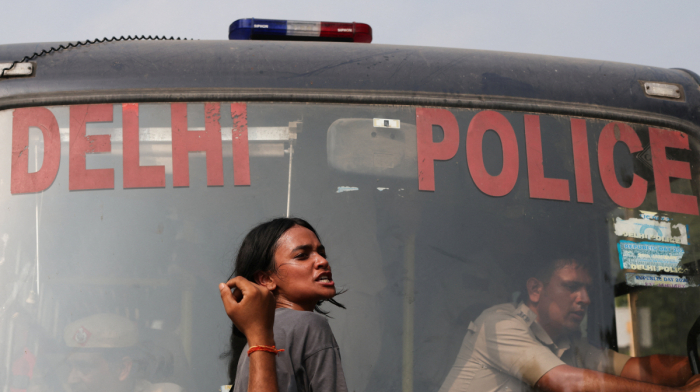
Police and paramilitary forces have been deployed across Bangladesh after violent protests erupted overnight over the killing of a prominent youth leader, raising concerns of further unrest ahead of national elections.
Thousands of Bulgarians took to the streets on Thursday evening to protest against the outgoing government, demanding fair elections and judicial reforms to address what they describe as widespread corruption.
You can download the AnewZ application from Play Store and the App Store.
What is your opinion on this topic?
Leave the first comment