Japan, South Korea report ballistic missile launch by North Korea
North Korea fired what appeared to be a ballistic missile on Saturday (14 March), Japanese and South Korean off...
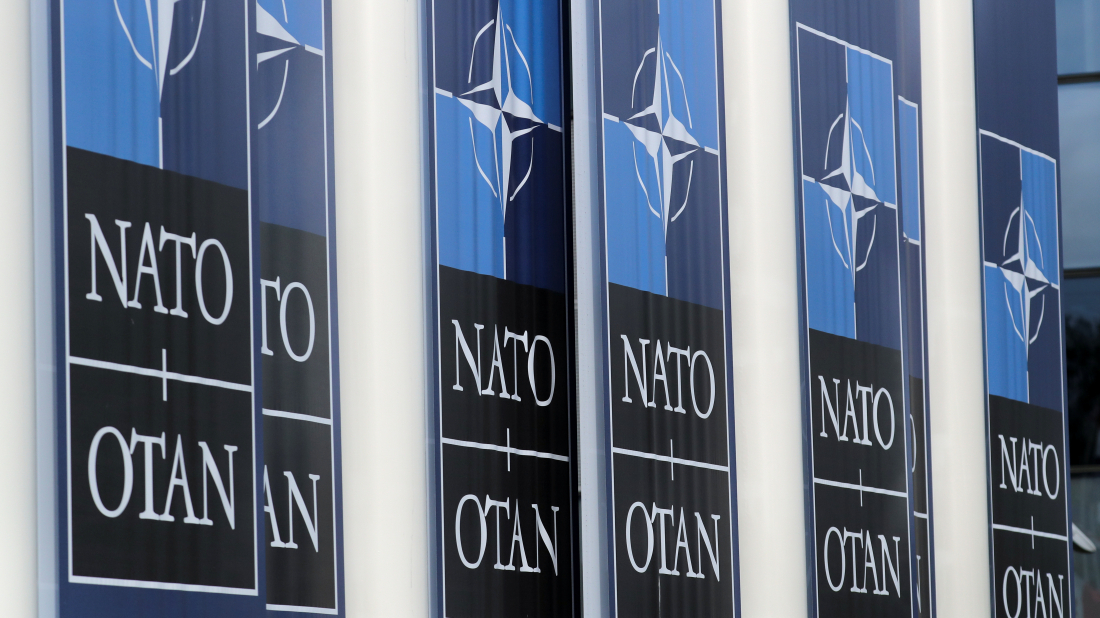
All NATO members are expected to meet the longstanding target of spending 2% of GDP on defence this year, but only three currently reach a new, higher target set by alliance leaders in June, according to NATO data released Thursday.
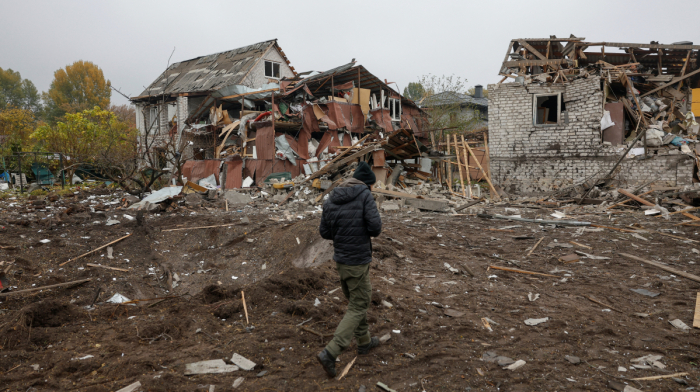
Military spending across NATO has risen sharply in recent years, spurred by Russia’s 2022 full-scale invasion of Ukraine and calls from U.S. leaders for European allies to invest more in their own defence. Last year, more than 10 of NATO’s 32 members fell short of the 2% goal agreed in 2014.
Figures for 2025 show all allies meeting the target, with seven just at the 2% minimum and several slightly above. Poland leads in defence spending as a share of GDP at 4.48%, followed by Lithuania at 4% and Latvia at 3.73%. These three countries are currently the only NATO members exceeding the new 3.5% target agreed at the June summit in The Hague.
The new goal is part of a broader plan to reach 5% of GDP on defence and security-related investments by 2035, covering areas such as cybersecurity and infrastructure upgrades for military logistics.
Speaking at the opening of a Rheinmetall ammunition factory in Unterluess, Germany, NATO Secretary General Mark Rutte welcomed the increased spending but stressed that funding alone does not guarantee security.
“Cash alone doesn’t provide security,” he said. “Deterrence doesn’t come from 5%. Deterrence comes from the capability to fight potential enemies.”

Israel and Iran continued to exchange strikes on Friday (13 March), as the U.S. and French militaries reported deaths in Iraq, and the U.N. launched a $325 million appeal to help Lebanon, where a seventh of the population have left their homes since fighting began.
The U.S. should shut down its military bases in the Middle East, Iran's new Supreme Leader Mojtaba Khamenei said on Thursday (12 March). His words were read out by a broadcaster on state Iranian television.
Israeli Prime Minister Benjamin Netanyahu issued veiled threats to Iran’s new Supreme Leader, Mojtaba Khamenei, and Hezbollah on Thursday (12 March), during his first press conference since the conflict with Iran began.
At least 64 people have been killed in southern Ethiopia following recent landslides and floods, the regional government’s communications office said on Thursday (12 March), citing local police
Ayman Ghazali, a 41-year-old U.S. citizen born in Lebanon, crashed his truck into the hallway of a Detroit-area synagogue on Thursday (12 March) while children attended preschool. Security personnel shot him dead during the confrontation, and authorities said no one else was seriously injured.
North Korea fired what appeared to be a ballistic missile on Saturday (14 March), Japanese and South Korean officials said. The development comes amid the joint annual U.S.-South Korea "Freedom Shield" military drills and South Korean Prime Minister Kim Min-seok's visit to Washington.
NATO air defence systems intercepted a third Iranian ballistic missile over Türkiye early on Friday morning. The incident occurred at approximately 03:30 local time over the southern province of Adana.
The European Commission will instruct governments to be flexible in enforcing EU rules on gas imports, diplomats told Reuters on Thursday (12 March), a move likely to benefit imports from Azerbaijan.
Start your day informed with AnewZ Morning Brief. Here are the top news stories for the 13rd of March, covering the latest developments you need to know.
Ayman Ghazali, a 41-year-old U.S. citizen born in Lebanon, crashed his truck into the hallway of a Detroit-area synagogue on Thursday (12 March) while children attended preschool. Security personnel shot him dead during the confrontation, and authorities said no one else was seriously injured.
You can download the AnewZ application from Play Store and the App Store.
What is your opinion on this topic?
Leave the first comment