Kyiv calls on allies to accelerate commitments while signalling openness to talks in neutral countries, even as fighting intensifies on the eastern front.
Push for security guarantees
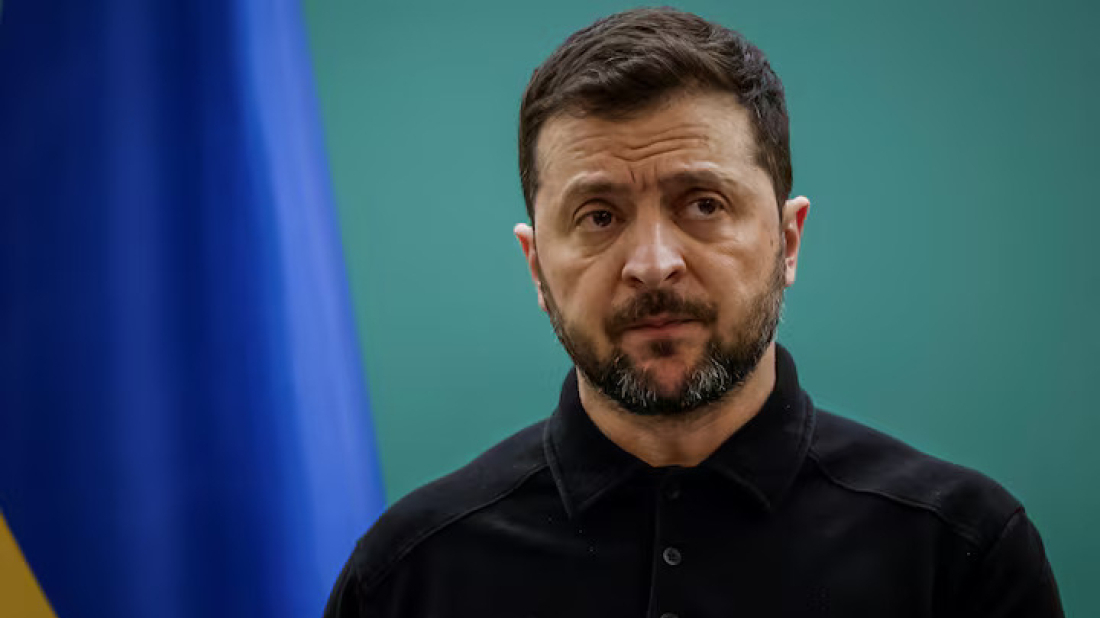
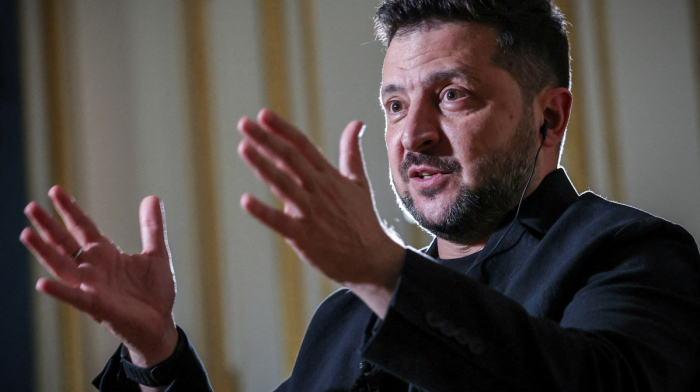
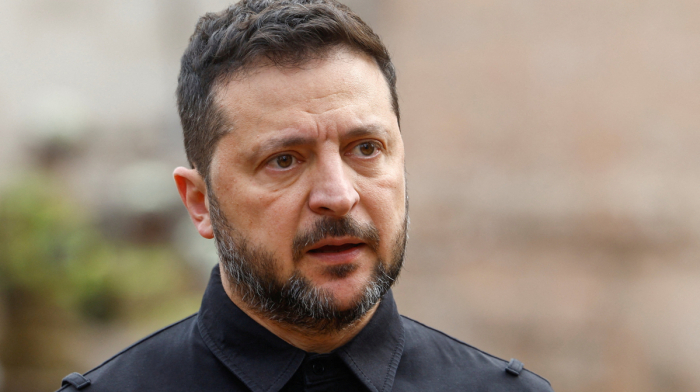
Ukrainian President Volodymyr Zelenskyy has pressed Western allies to move swiftly on long-term security guarantees, stressing that clarity and transparency are vital. Following talks with Britain’s defence chief Admiral Anthony Radakin, Zelenskyy said it was crucial for partners to define commitments without delay.
U.S. President Donald Trump has confirmed Washington’s continued support for Ukraine, though he noted that specific guarantees have not yet been discussed. On Monday, Secretary of State Marco Rubio coordinated with European counterparts, including the UK, Finland and the European Union, after both Zelenskyy and European leaders asked him to take the lead in negotiations.
Openness to talks with Russia
Despite the ongoing fighting, Zelenskyy said Ukraine was open to talks with Russia in neutral countries such as Türkiye, Gulf States or European nations. He also repeated his call for a direct meeting with Russian President Vladimir Putin, though Moscow has yet to set an agenda.
Speaking in his nightly address, Zelenskyy said:
“In the future, everything will depend solely on the will of world leaders, primarily on the United States of America, to put pressure on Russia. New steps are needed, new pressure: sanctions, tariffs – all this must be on the table. We talked about this with General Kellogg yesterday, we are working with the Americans very thoroughly. After our meeting in Washington, we have a new basis for joint work.”
Russian Foreign Minister Sergei Lavrov has dismissed the idea of imminent talks, questioning Zelenskyy’s constitutional position and describing discussions as premature.
European reactions
Finnish President Alexander Stubb said he had conveyed to Trump that Russia was likely using delay tactics.
“And the discussion we had on Thursday night with Trump, maybe the basic spirit was that I tried to gently express that it seems very unlikely that Putin will come to the same table as President Zelenskyy in particular. Well, a week later on Monday, and we received confirmation of this from Foreign Minister Lavrov, who questioned Zelenskyy’s constitutional position … and now it’s just a matter of time when President Trump will react to this and in what way.”
Fighting in Dnipropetrovsk
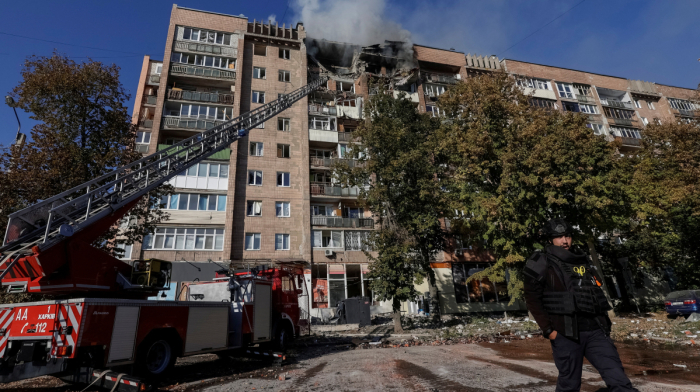
On the ground, Ukrainian forces said they had repelled Russia’s largest offensive yet in the eastern Dnipropetrovsk region. Commanders described it as the first attack of such scale in the area, confirming that Russian troops had crossed the regional border before being halted.
While Moscow has long claimed advances in this direction, Kyiv maintains Russian forces have made little meaningful progress beyond the frontline.
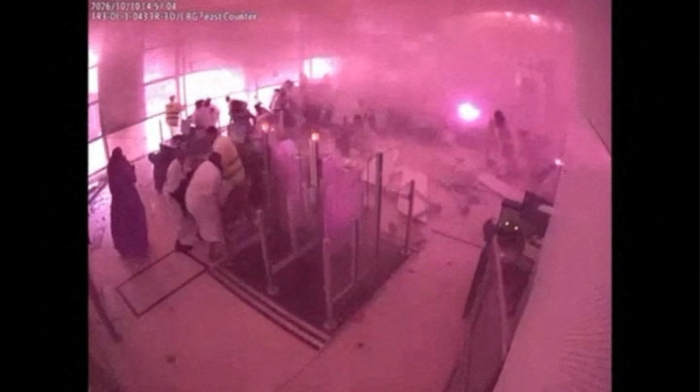
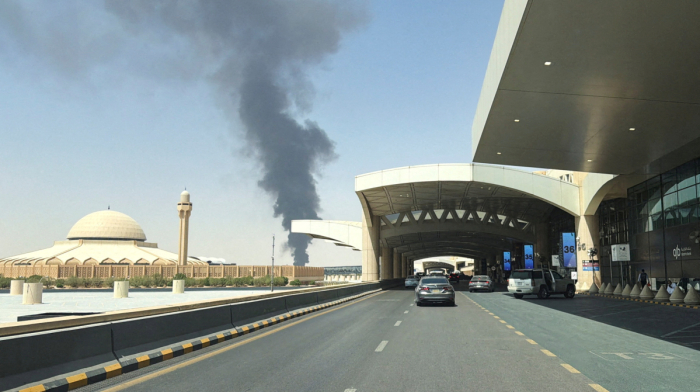
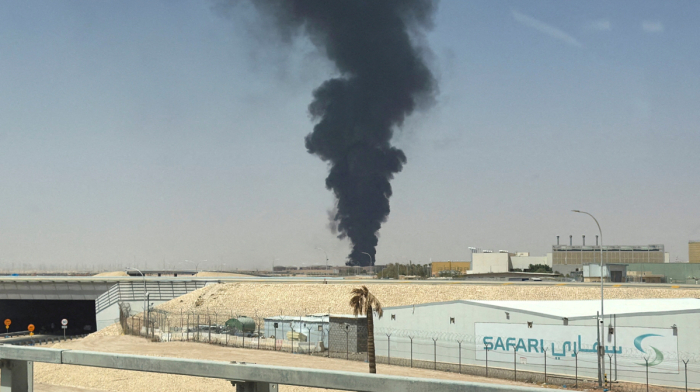
The explosion at King Khalid International Airport in Riyadh on Saturday afternoon killed at least 12 people and injured a further 309, according to Saudi Arabia’s Civil Aviation Authority. The airport remains closed until further notice.
One person was killed and nearly a dozen hurt in a new attack Riyadh's international airport on Sunday, Saudi authorities reported, a day after a strike claimed by Yemen's Houthis that killed 13 people and wounded more than 300.
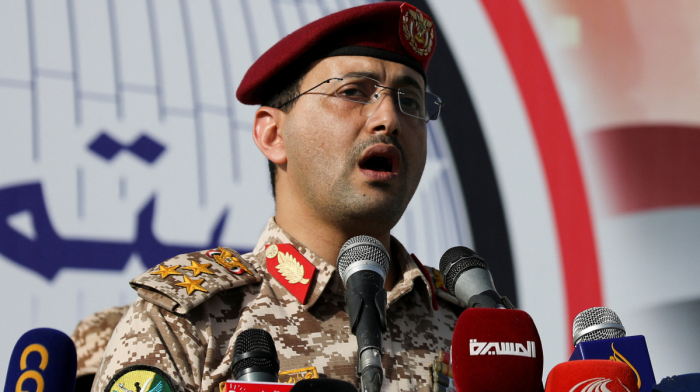
Yemen's Houthis renewed warning to airlines, airport workers, and travellers against using Saudi airports, saying the warning should be taken seriously and that the kingdom “bore responsibility for failed interceptions”, a day after an attack on Riyadh's international airport that killed 12 people.
Ukraine is ready to stop attacks on Russian oil refineries if Moscow also halts strikes on Ukrainian energy infrastructure, President Volodymyr Zelenskyy said on Sunday.
The Kremlin on Monday rejected a 60-day ceasefire idea proposed by Ukrainian President Volodymyr Zelenskyy to allow his country to hold presidential elections, saying it wanted an overall peace deal instead.
Ukrainian President Volodymyr Zelenskyy said on Monday that Ukraine is ready to respect the energy ceasefire announced by U.S. President Donald Trump, but only if Russia does the same, saying Moscow has already violated the agreement.
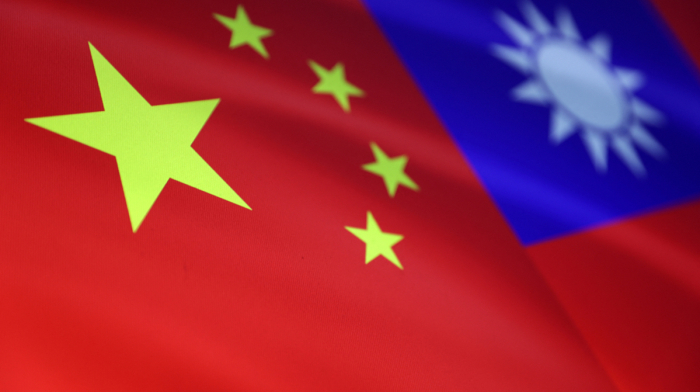
China has announced sanctions against Belize’s foreign minister and Paraguay’s communications minister over their countries’ diplomatic ties with Taiwan. The move comes as Beijing continues to pressure the few remaining nations that maintain formal diplomatic relations with Taipei.
Download the AnewZ app
You can download the AnewZ application from Play Store and the App Store.











What is your opinion on this topic?
Leave the first comment