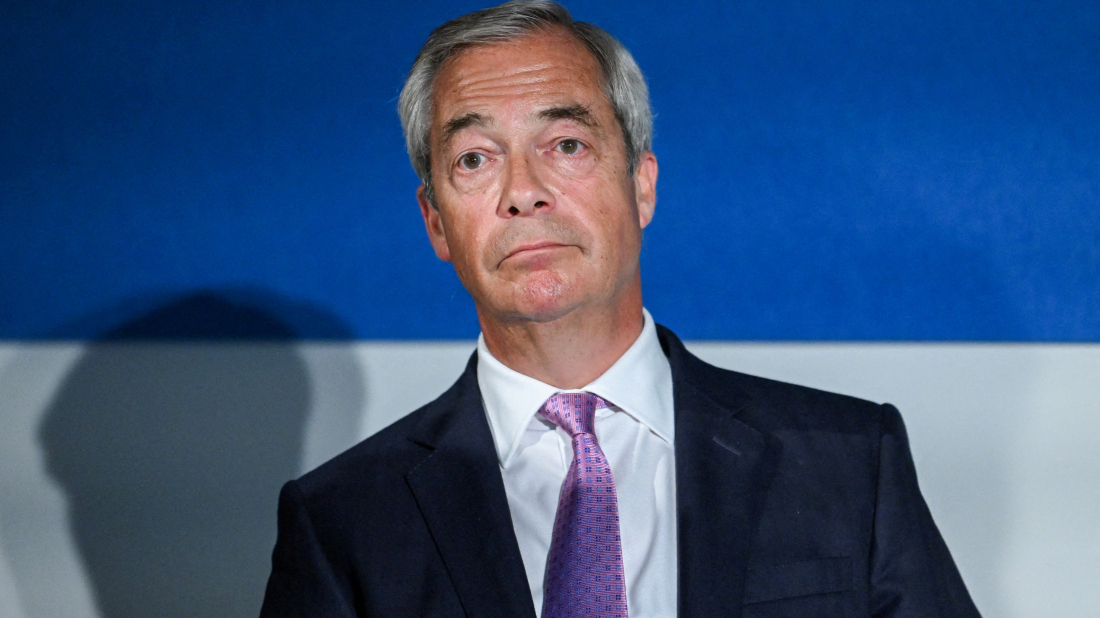
Nigel Farage, leader of Britain’s anti-migration Reform UK party, unveiled a sweeping plan on Tuesday to scrap human rights protections and enable mass deportations of asylum seekers, a move he said was necessary to avert “major civil disorder.”
Farage pledged to withdraw Britain from the European Convention on Human Rights (ECHR), repeal the Human Rights Act, and set aside other international agreements that have blocked deportation efforts.
“We are not far away from major civil disorder,” Farage told reporters. “It is an invasion, as these young men illegally break into our country.”
His remarks come amid small but persistent protests outside hotels housing asylum seekers, fuelled by safety concerns after recent criminal charges against some individuals.
Immigration has now overtaken the economy as the top public concern, opinion polls show.
Reform UK — with just four MPs but currently leading voting intention surveys — is ratcheting up pressure on Labour Prime Minister Keir Starmer to act.
Britain received a record 108,100 asylum applications in 2024, nearly 20% more than the previous year, led by arrivals from Pakistan, Afghanistan, Iran and Bangladesh.
Much of the political debate has centred on record Channel crossings by small boats.
Reform claims its proposals could allow the deportation of up to 600,000 asylum seekers during its first term in office. Asked at the press conference whether that target was realistic, senior party official Zia Yusuf replied: “Totally.”
Starmer’s government and its Conservative predecessor have both struggled to curb illegal migration. The Conservatives’ plan to send asylum seekers to Rwanda was struck down by the UK’s highest court.
Reform says it would negotiate deals with countries including Afghanistan and Eritrea to take back nationals who entered Britain illegally. But government minister Matthew Pennycook dismissed the proposals as “a series of gimmicks” and warned that leaving the ECHR could undermine peace in Northern Ireland.
Farage insisted he was the only leader willing to take the “hard choices,” framing the issue as a matter of public safety versus “outdated treaties backed up by dubious courts.”
Meanwhile, Starmer has vowed to target smuggling gangs by overhauling the asylum appeals process and recruiting more enforcement officers.




















What is your opinion on this topic?
Leave the first comment