Armenia signals progress on U.S.-backed TRIPP corridor at Antalya forum
Global leaders have gathered in Antalya Diplomacy Forum, with discussions centred on geopolitical uncertainty and international cooper...
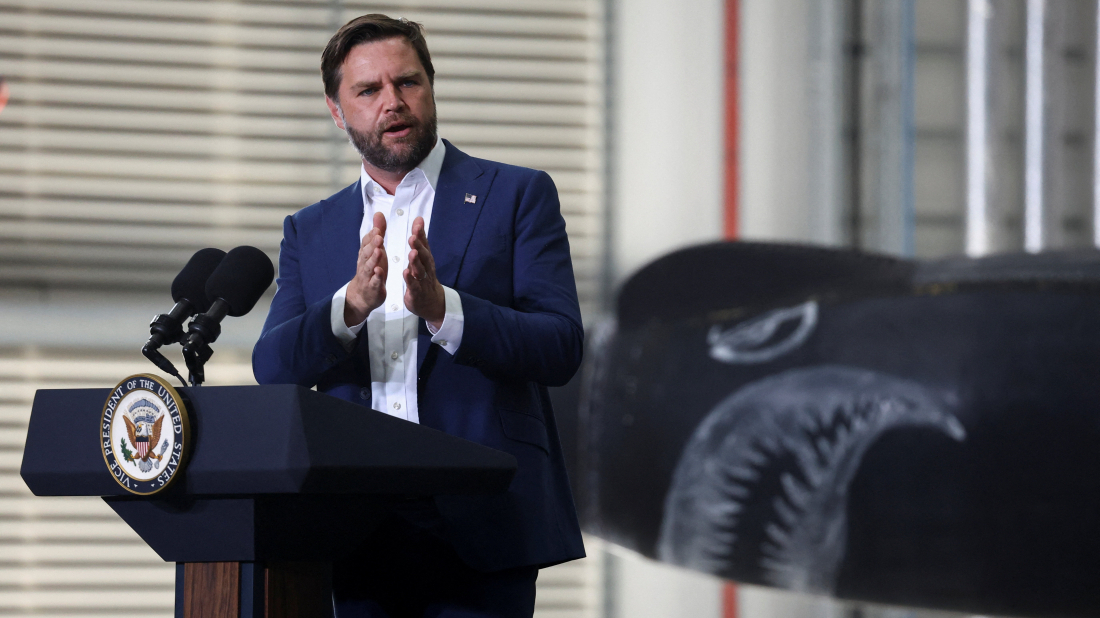
U.S. Vice President JD Vance said on Sunday that Russia has made “significant concessions” toward a negotiated settlement in its war with Ukraine, voicing confidence that progress is being made even without signs the conflict is close to ending.
Speaking on NBC’s Meet the Press, Vance said President Vladimir Putin had backed away from early war aims.
“They’ve recognised that they’re not going to be able to install a puppet regime in Kyiv,” Vance said. He added that Moscow had also accepted the idea of security guarantees for Ukraine against future Russian aggression.
Russia’s war in Ukraine, launched in February 2022, has killed tens of thousands. Sources told Reuters last week that Putin was demanding Ukraine surrender the entire Donbas region, renounce NATO membership, remain neutral and keep Western troops out, in exchange for halting attacks.
Foreign Minister Sergei Lavrov said in an interview broadcast on Sunday that a group of nations, including United Nations Security Council members, should serve as guarantors of Ukraine’s security.
On Friday, U.S. President Donald Trump renewed a threat to impose sanctions on Russia if no progress is made within two weeks, showing frustration with Moscow after his talks with Putin in Alaska.
Vance said sanctions would be judged “case by case,” admitting they were unlikely to force Russia into a ceasefire. He pointed instead to Trump’s decision to levy an additional 25% tariff on Indian goods this month over New Delhi’s Russian oil purchases as an example of the economic leverage that could be used.
“He’s tried to make it clear that Russia can be re-invited into the world economy if they stop the killing, but they’re going to continue to be isolated if they don’t,” Vance said.

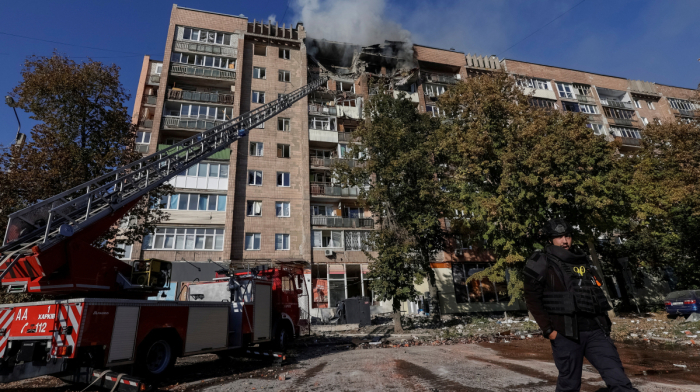
The past 24 hours of the Russia-Ukraine war have seen a drastic escalation in both aerial bombardment and frontline losses.
Iran reopened the Strait of Hormuz to commercial shipping on Friday (17 April) for the first time since the U.S. and Israel killed Iran's ex-Supreme Leader in air strikes, triggering the Middle East conflict, at the end of February. A U.S. blockade on Iranian ports, however, remains in force.
Russia published addresses of manufacturers allegedly producing drones or components for Ukraine on Wednesday (15 April), warning European countries against plans to step up UAV supplies to Kyiv.
Iran's Islamic Revolutionary Guards Corps (IRGC) said in a Saturday statement that the Strait of Hormuz has returned to its "previous state" under the control of its "armed forces," citing the ongoing U.S. blockade on Iranian ports.
Netflix shares fell sharply on Friday after the streaming group issued a weaker-than-expected outlook and said chairman and co-founder Reed Hastings will step down from the board.
The Trump administration extended a sanctions exemption on some Russian oil as prices continue to skyrocket in the wake of the U.S.- Israeli war against Iran on Friday (17 April).
Australia and Japan signed contracts on Saturday (18 April) launching their landmark A$10 billion ($7 billion) deal to supply Australia with warships, Tokyo's most consequential military sale since ending a military export ban in 2014.
Leaders from across Europe and beyond gathered in Paris on Friday for a summit aimed at managing the global impact of the Middle East conflict.
European leaders have set out plans for a coordinated defensive mission to restore freedom of navigation in the Strait of Hormuz, once security conditions allow, following talks involving more than 40 countries.
NeaNearly 900 Rohingya refugees were reported missing or dead in the Andaman Sea off Myanmar in 2025, making it the deadliest year on record, the United Nations Refugee Agency said on Friday.
You can download the AnewZ application from Play Store and the App Store.
What is your opinion on this topic?
Leave the first comment