Denmark urges EU to tighten Russian visa restrictions after alleged assassination plot
Denmark has urged European Union countries to introduce tougher travel restrictions on Russian nationals following allegations that Moscow's in...
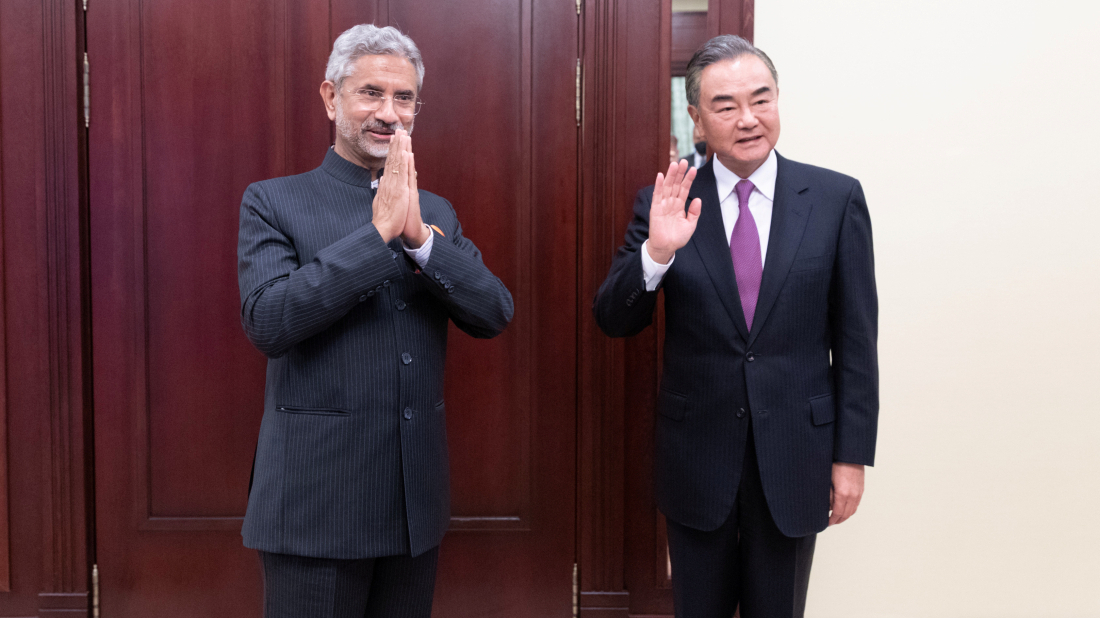
Indian Foreign Minister Subrahmanyam Jaishankar began discussions with his Chinese counterpart Wang Yi in New Delhi on Monday, emphasising that positive progress in their relationship could only occur if peace is maintained along their shared border.
Wang, who arrived in India for a two-day visit, is set to hold the 24th round of border talks with Indian National Security Adviser Ajit Doval and meet Prime Minister Narendra Modi.
Jaishankar highlighted the importance of addressing border issues, stressing that peace and stability in the border regions are essential for any positive developments in bilateral ties.
Jaishankar also noted the need for both countries to withdraw troops stationed along their disputed western Himalayan border, where tensions have flared since the deadly clash in 2020.
"Having seen a difficult period in our relationship, Excellency, our two nations now seek to move ahead. This requires a candid and constructive approach from both sides. In that endeavour, we must be guided by the three mutuals: mutual respect, mutual sensitivity and mutual interest. Differences must not become disputes, nor competition conflict," explained Jaishankar.
The Chinese foreign minister said exchanges and dialogue at all levels between both countries had been gradually restored and bilateral relations were returning to cooperation.
Wang also urged both powers to see each other as “partners and opportunities, not rivals or threats,” and called for a “correct strategic understanding.”
Wang's visit comes just days before Modi’s first trip to China in seven years to attend the Shanghai Cooperation Organisation summit, which also includes Russia.
Relations between India and China began to improve in October after a key agreement to reduce military tensions along the Himalayan border, following talks between Chinese President Xi Jinping and Modi in Russia. The two countries' ties had soured after the 2020 border clash, which resulted in the deaths of 20 Indian soldiers and four Chinese soldiers.
Meanwhile, on Tuesday (19 August) China lifted curbs on the export of rare earth magnets to India, local Indian media reported.
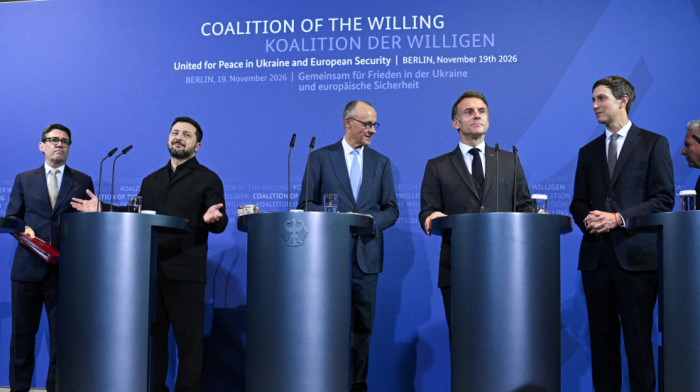
European leaders backing Ukraine met in Berlin on Thursday 19 November and warned that no peace deal should be settled without them.
Three people have been killed and around 15 injured after Russian ballistic missiles struck three bridges over the Dnipro River in Kyiv, according to the Ukrainian capital’s mayor, Vitali Klitschko.
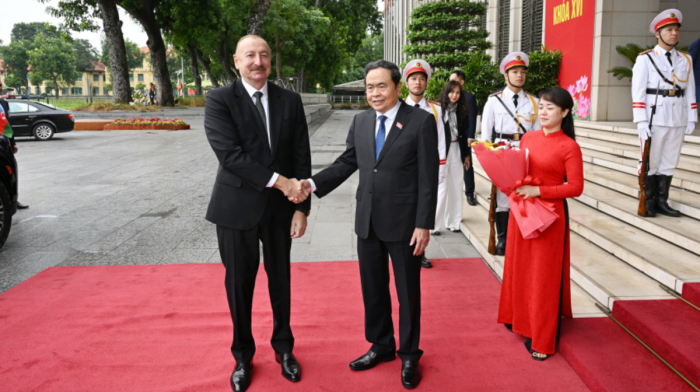
Azerbaijani President Ilham Aliyev met Vietnamese Prime Minister Le Minh Hung in Hanoi on 20 November, during a visit highlighting the longstanding friendship and growing strategic partnership between the two countries.
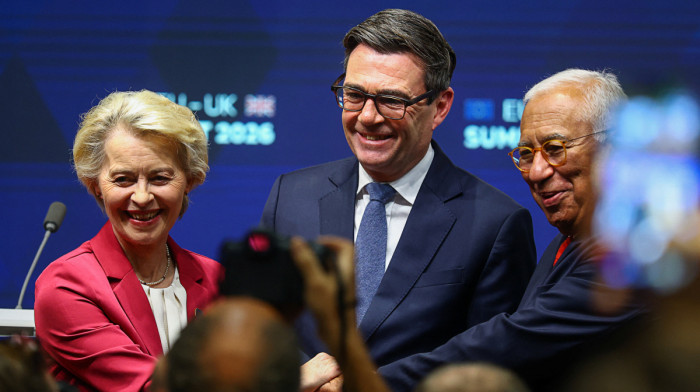
Britain and the European Union have reached an agreement to ease trade, expand opportunities for young people and deepen economic ties, in a major step towards rebuilding relations after Brexit.
Georgia has declared 22 November 2026 a national day of mourning following a deadly residential building collapse in the Kvemo Ponichala district of Tbilisi.
Denmark has urged European Union countries to introduce tougher travel restrictions on Russian nationals following allegations that Moscow's intelligence services attempted to assassinate a U.S.-Ukrainian rapper on Danish soil.
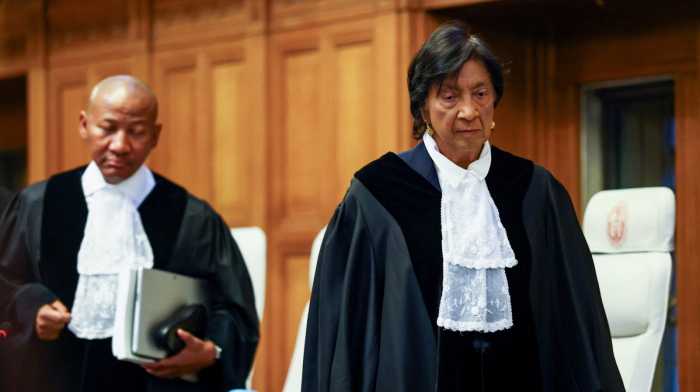
The International Court of Justice (ICJ) is the United Nations’ highest court. Known as the World Court, it is the only international court where countries take each other to court over breaches of international law.
Talks at the United Nations (UN) on weapons that can operate with little or no human oversight ended in Geneva on Saturday (21 November) with a commitment to draw up new rules by 2028.
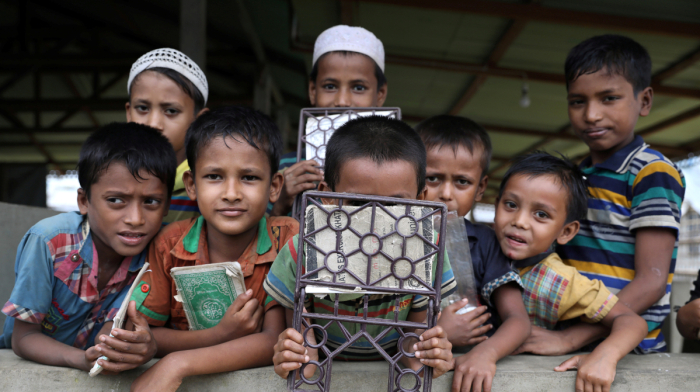
The UN global fund for education in emergencies, Education Cannot Wait (ECW), has announced $52 million in funding to support around 300,000 children affected by crises in Lebanon, Myanmar and South Sudan.
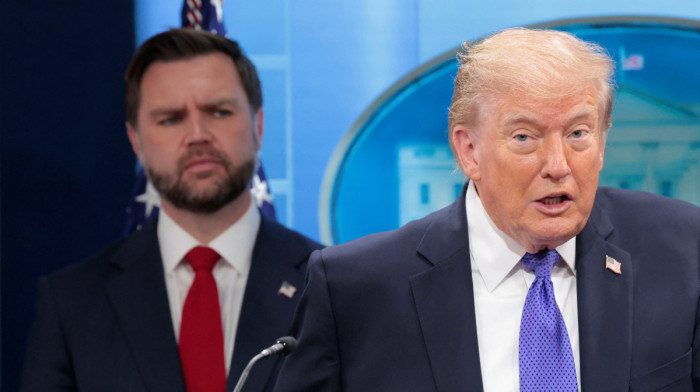
U.S. President Donald Trump has announced that American companies will face heavy penalties if they build data centres outside the country. He said the new policy was one he had not yet discussed with his own staff.
You can download the AnewZ application from Play Store and the App Store.
What is your opinion on this topic?
Leave the first comment