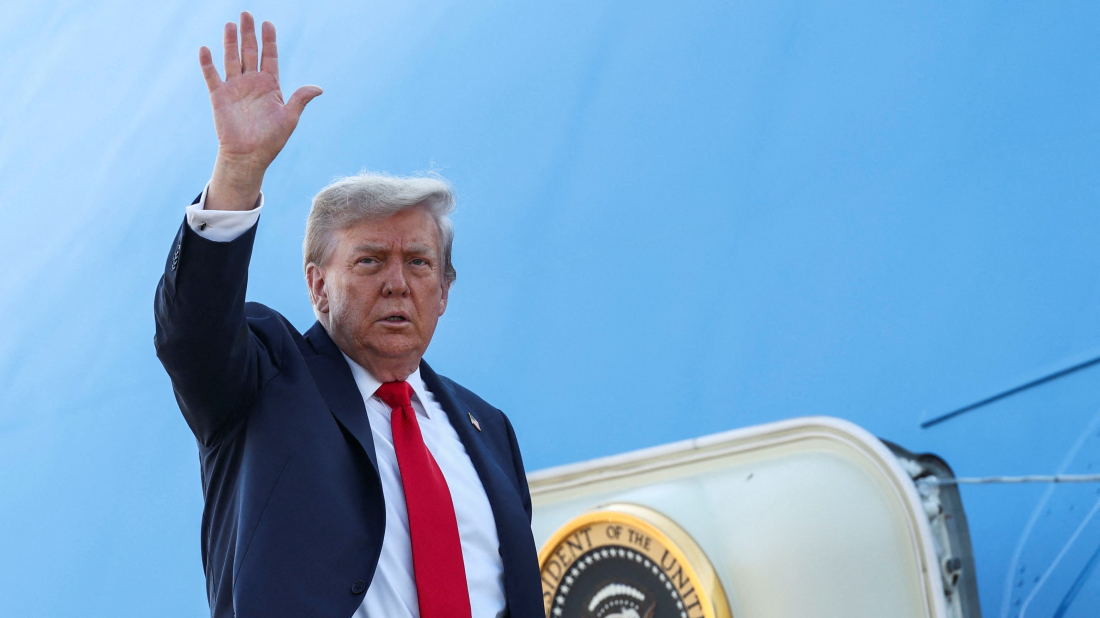
Donald Trump travelled to Alaska on Friday for what he described as a “high-stakes” summit with Russian president Vladimir Putin, aimed at securing a ceasefire in Ukraine and ending the deadliest conflict in Europe since the Second World War.
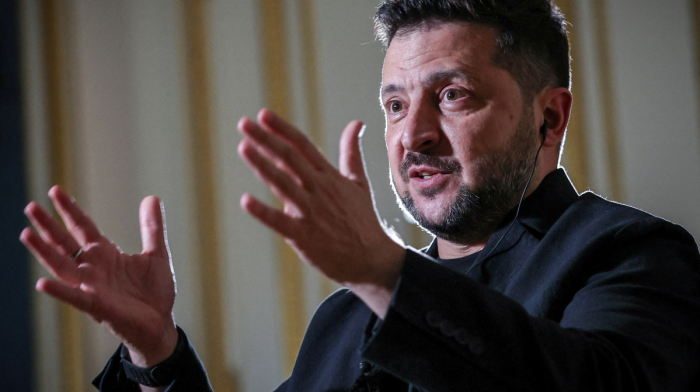
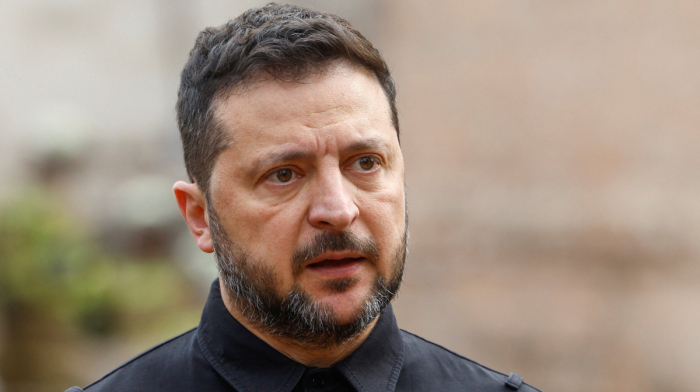
Ukrainian president Volodymyr Zelenskyy, excluded from the talks, has voiced concern-shared by European allies that Trump might agree to freeze the fighting in a way that effectively recognises Russian control over about one-fifth of Ukraine.
Speaking before boarding Air Force One, Trump sought to calm such fears, stressing that any territorial arrangements would be for Ukraine to decide. “I’m not here to negotiate for Ukraine, I’m here to get them at a table,” he said.
The meeting, taking place at a Cold War-era air force base in Alaska’s largest city, marks the first face-to-face encounter between the two leaders since Trump’s return to the White House. Trump hopes to secure a truce in the three-and-a-half-year war, which he calls a “bloodbath,” bolstering his image as a peacemaker. Putin, meanwhile, can already claim a diplomatic victory by showing that Western efforts to isolate Russia have faltered.
On his way to Alaska, Putin visited a memorial in Russia’s Far East commemorating U.S.-Soviet cooperation in the Second World War. The Kremlin said Trump would meet him at his plane upon arrival.
Trump, who once vowed to end the war within 24 hours, acknowledged on Thursday that the task had been more difficult than expected. He said that if the talks went well, arranging a three-way meeting with Zelenskyy would be even more important. Zelenskyy, writing on Telegram, said he hoped the summit would pave the way for a “just peace” and include Ukraine in follow-up talks.
Describing Putin as “a smart guy” with whom he shares mutual respect, Trump welcomed the Russian leader’s decision to bring business figures to Alaska but warned that no deals would be made until the war was resolved, threatening “economically severe” consequences if talks failed.
A source familiar with Kremlin thinking suggested Moscow might be ready to compromise, recognising the economic strain of prolonging the conflict. Reuters has previously reported that Putin could agree to freeze the war along current front lines if NATO expansion eastward was ruled out and some sanctions were lifted.
Putin has also hinted at offering a new nuclear arms control agreement to replace the last remaining treaty, due to expire in February next year. The same Kremlin-linked source suggested some terms could be reached, noting Russia’s limited room to refuse under sanctions pressure.
While Putin has set strict conditions for a full ceasefire, a possible partial deal could involve halting air attacks, though he insists verification issues must be addressed first.
In Washington, senior Democrat Mark Warner warned against giving ground to a leader “who has spent his career undermining democratic values.” Zelenskyy has rejected handing over territory and insists on a U.S.-backed security guarantee, though its structure remains unclear.
On the streets of Kyiv, scepticism about the Alaska summit was widespread. “Nothing good will happen there… The territories-we’re not going to give anything to anyone,” said Tetiana Harkavenko, a 65-year-old cleaner.










What is your opinion on this topic?
Leave the first comment