EU announces €153 million in humanitarian aid for Ukraine, €8 million for Moldova
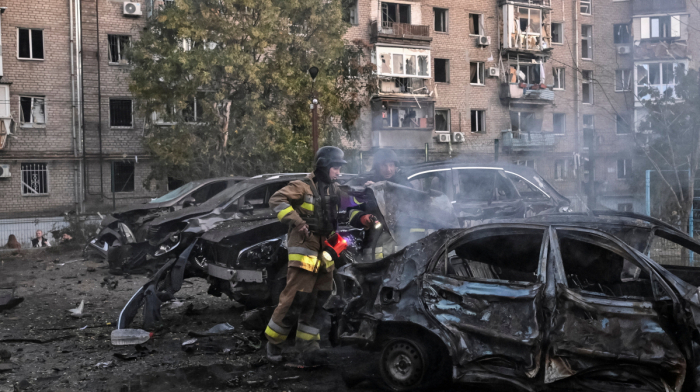
The European Commission has announced €153 million ($183 million) in emergency aid for Ukraine, alongside €8 million ($9.5 million) to support Mol...
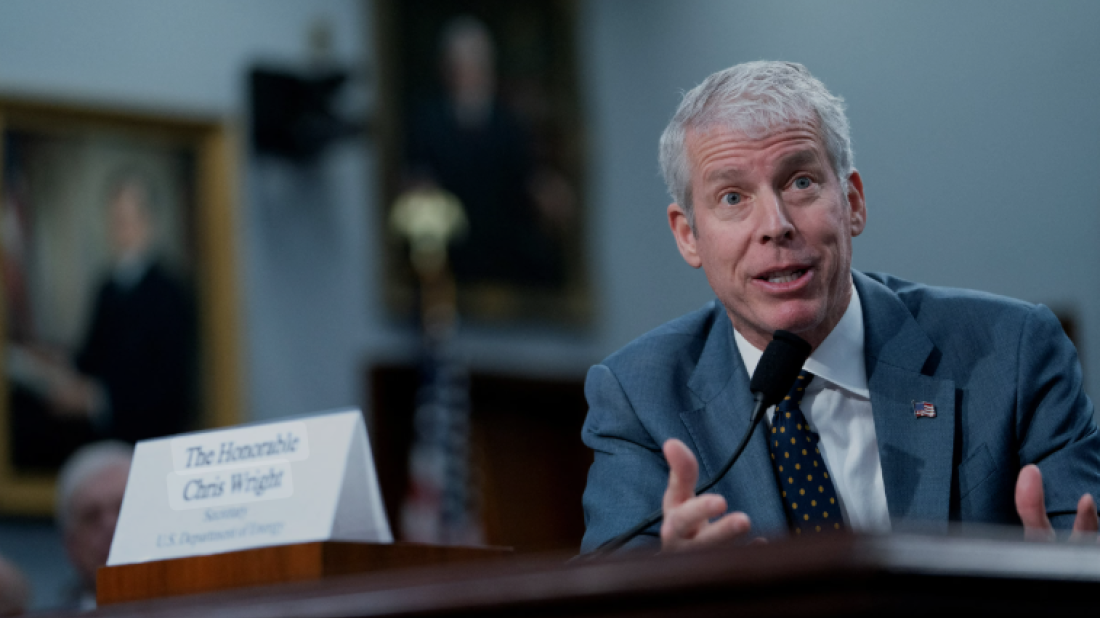
The U.S. Department of Energy announced on Wednesday that the Trump administration has unveiled a nearly $1 billion funding plan to boost U.S. production of critical minerals and materials, aiming to reduce reliance on foreign suppliers, particularly China.
The initiative seeks to advance mining, processing, and manufacturing technologies within supply chains long dominated by China and other nations.
"For too long, the United States has relied on foreign actors to supply and process the critical materials that are essential to modern life and our national security," said Energy Secretary Chris Wright.
The funding aligns with President Donald Trump’s executive order on maximising energy development.
The Office of Manufacturing and Energy Supply Chains (MESC) will offer up to $500 million to expand domestic processing, battery manufacturing, and recycling.
An additional $135 million will support rare earth element supply chains by proving the commercial viability of refining and recovering minerals from mining tailings.
The Office of Fossil Energy and Carbon Management will provide about $250 million for facilities, including coal plants, capable of producing mineral byproducts from industrial processes.
Another $50 million will target the rare earth magnet supply chain, focusing on refining and alloying materials like gallium, germanium, and silicon carbide for semiconductor production.

Liverpool confirmed direct qualification to the UEFA Champions League round of 16 with a 6-0 win over Qarabağ at Anfield in their final league-phase match. Despite the setback, Qarabağ secured a play-off spot, with results elsewhere going in the Azerbaijani champions’ favour on the final matchday.
China is supplying key industrial equipment that has enabled Russia to speed up production of its newest nuclear-capable hypersonic missile, an investigation by The Telegraph has found, heightening concerns in Europe over Moscow’s ability to threaten the West despite international sanctions.
Storm Kristin has killed at least five people and left more than 850,000 residents of central and northern Portugal without electricity on Wednesday (28 January), as it toppled trees, damaged homes, and disrupted road and rail traffic before moving inland to Spain.
Russian President Vladimir Putin said he was ready to assist in rebuilding Syria’s war-damaged economy as the country's interim President Ahmad al-Sharaa made his second visit to Moscow in less than four months on Wednesday (28 January).
Start your day informed with AnewZ Morning Brief: here are the top news stories for the 28 January, covering the latest developments you need to know.
The European Commission has announced €153 million ($183 million) in emergency aid for Ukraine, alongside €8 million ($9.5 million) to support Moldova, which hosts large numbers of Ukrainian refugees.
U.S. President Donald Trump on Thursday threatened new tariffs on countries supplying oil to Cuba, escalating a pressure campaign against the Communist-run island.
Burkina Faso’s military-led government has dissolved all political parties and ordered their assets transferred to the state under a decree adopted by the authorities.
Bangladesh and Pakistan on Thursday resumed direct flight services after 14 years, marking a milestone in the revival of relations between the two Muslim-majority nations.
Truck drivers in two of the four Balkan states protesting against the EU’s tightened entry-exit rules stepped back on Thursday, easing some pressure on major cargo routes, while colleagues in Bosnia and Serbia kept their lines of trucks in place.
You can download the AnewZ application from Play Store and the App Store.
What is your opinion on this topic?
Leave the first comment