live Pentagon official says U.S. war in Iran has cost $25 billion so far
A Pentagon official provided the first official estimate of the cost of the U.S. war in Iran on Wednesday (29 April), telling lawmakers that $25 bi...
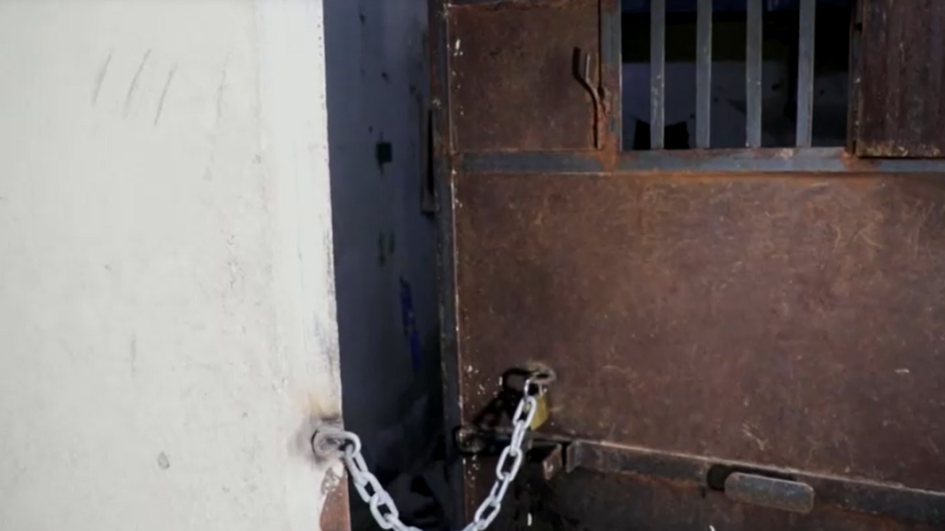
“Nothing lasts forever.” These words echo from the walls of a Damascus prison, once a place of terror and torture. Today, two survivors stand inside, reliving the unthinkable.
Basim Faiz Mawat, 48, walks into the cell where his dignity was torn apart. For years, this space was known as the “death dormitory.” His voice shakes as he speaks of his suffering.
“Here I was blindfolded, arms tied behind me. They kicked the ladder, and I dangled. My shoulders were torn. No one could endure more than ten minutes,” says Mawat, pointing to the rusty ladder in the corner.
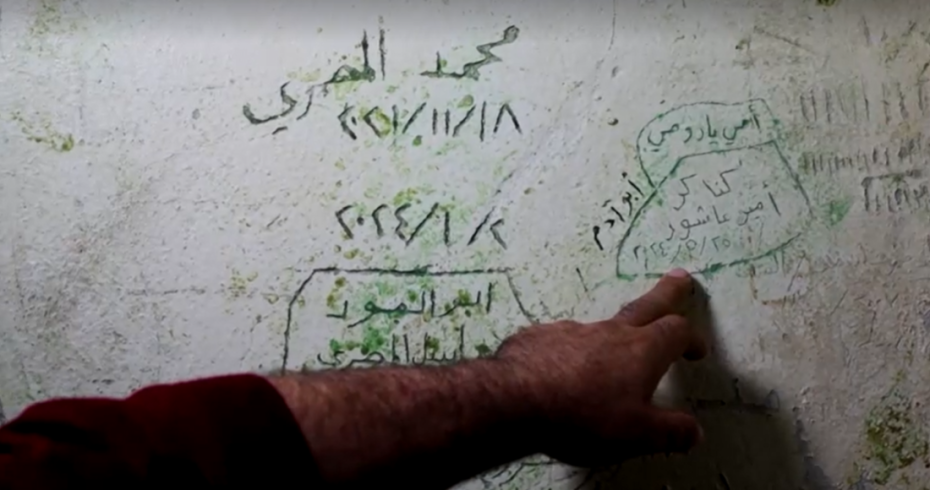
The prison, now abandoned after the fall of Bashar al-Assad’s governance

, holds the names of prisoners scratched into its walls – silent witnesses to their fate.
Mohammed Hanania, 35, remembers it too well.
“One to three people died every day in this room. If not from weakness, the guards would kill them,” he recounts, looking at the cold ground where prisoners slept.
Both men stand outside the detention centre, staring at a fading image of Assad on the wall. The President who oversaw these atrocities has fled to Russia. Inside, blankets and rubble remain. Outside, families search for loved ones – some freed, others lost forever.
“At this stage, if everyone thinks about revenge, we have no solution but to forgive,” Hanania says. “But the criminals must be held accountable.”
Syrians now face a painful reckoning as they sift through memories of a governance that ruled with terror for five decades. The prison doors have opened, but its shadows remain.

President Donald Trump said on Sunday Iran could telephone if it wants to negotiate an end to their two-month war. Tehran said the U.S. should remove obstacles to a deal, including its blockade of Iran's ports. Meanwhile Iranian Foreign Minister Abbas Araghchi arrives in St Petersburg for talks.
A Pentagon official provided the first official estimate of the cost of the U.S. war in Iran on Wednesday (29 April), telling lawmakers that $25 billion had so far been spent on the conflict, most of it on munitions. Earlier, Donald Trump said that the U.S. had "militarily defeated" Tehran.
Tensions between the United States and Iran remain high after a U.S. official said President Donald Trump was unhappy with a proposal from Tehran that does not deal with its nuclear programme. Washington is insisting that any talks must address Iran’s nuclear activities.
The death toll from a train collision near Indonesia’s capital Jakarta rose to 14 women on Tuesday (28 April), with 84 people injured, after rescuers completed efforts to free passengers trapped in the wreckage, the state rail operator said.
The decision by the United Arab Emirates to leave OPEC+ on 1 May has put renewed focus on one of the most influential groups in global energy - and how its decisions can shape oil prices worldwide.
Two Jewish men have been stabbed in London in an incident that British police are treating as a terrorist attack.
Reversing a decade of restrictions, New South Wales has opened new areas for gas exploration in its remote west. The move reflects growing concern over future energy supply across Australia’s east coast.
Travel demand across China is expected to remain robust during the upcoming five-day Labour Day holiday starting 1 May.
Start your day informed with the AnewZ Morning Brief. Here are the top stories for the 29th of April, covering the latest developments you need to know.
Mali’s military leader, Assimi Goita, has said the situation is “under control” in his first public remarks since a wave of coordinated attacks shook the country last weekend.
You can download the AnewZ application from Play Store and the App Store.
What is your opinion on this topic?
Leave the first comment