Protests erupt in Pakistan and Iraq after Khamenei’s death; at least nine killed in Karachi
Protests broke out in Pakistan and Iraq on Sunday after Iranian state media confirmed that Supreme Leader Ayatollah A...
Rwanda and Tanzania signed two key agreements in Kigali on Saturday to enhance cooperation in agriculture and port logistics.
Rwanda and Tanzania signed two memoranda of understanding on 26 July, aiming to deepen bilateral ties through enhanced agricultural cooperation and the creation of a Tanzania Ports Liaison Office in Kigali.
The agreements were finalised during the 16th Joint Permanent Commission (JPC) session between the two nations, with Rwanda's Minister of Foreign Affairs and International Cooperation, Olivier Nduhungirehe, and Tanzanian Minister of Foreign Affairs and East African Cooperation, Mahmoud Thabit Kombo, representing their respective governments.
The ministers underlined the importance of the JPC in expanding diplomatic and economic collaboration. One of the highlights was the plan to set up a liaison office in Kigali to streamline port-related services, particularly those connected to Tanzania’s port of Dar es Salaam, which currently manages more than 70% of Rwanda's international trade.
Speaking at the event, Nduhungirehe acknowledged the port’s importance in Rwanda’s economic trajectory. "We are grateful for the facilitation provided by Tanzania and its critical infrastructure," he said, adding that he prefers to describe Rwanda as a "land-linked country" due to its strong regional partnerships.
The session concluded with a proposal to establish a joint technical committee aimed at resolving trade and transport obstacles for businesses operating in both countries.

Follow the latest developments and global reaction after the U.S. and Israel launched “major combat operations” in Iran, prompting retaliation from Tehran.
Tensions between the U.S. and Iran are escalating, with Washington ordering a significant military build-up in the region and multiple countries evacuating diplomatic staff amid fears of further instability.
Governments across the region responded swiftly to Israel’s strikes on Iran, closing airspace, issuing travel advisories and activating contingency plans amid fears of escalation.
Two people were killed and around 40 injured when a tram derailed in central Milan on Friday (27 February), a spokesperson for the local fire service said.
Pakistani air strikes hit a weapons depot on the western outskirts of Kabul overnight, triggering hours of secondary explosions that rattled homes across the Afghan capital and left residents fearing further violence.
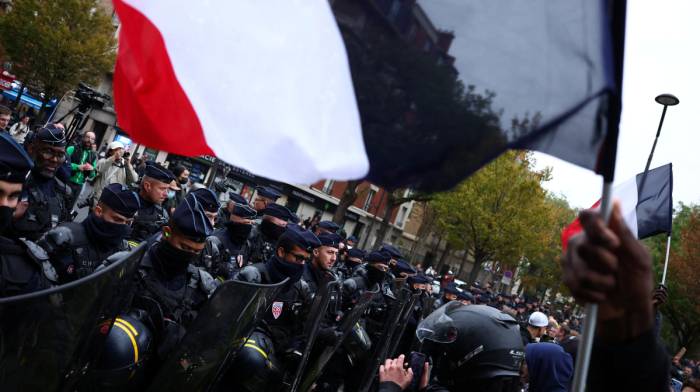
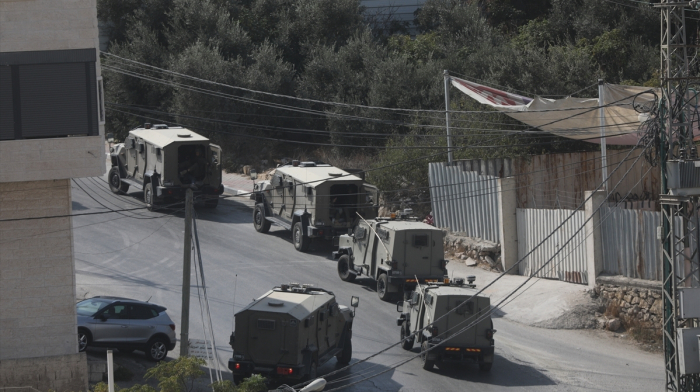
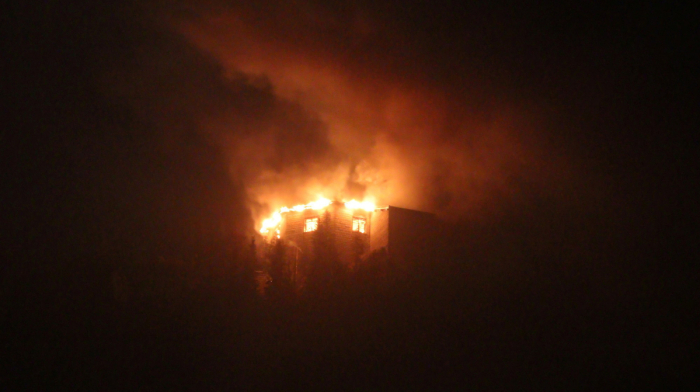
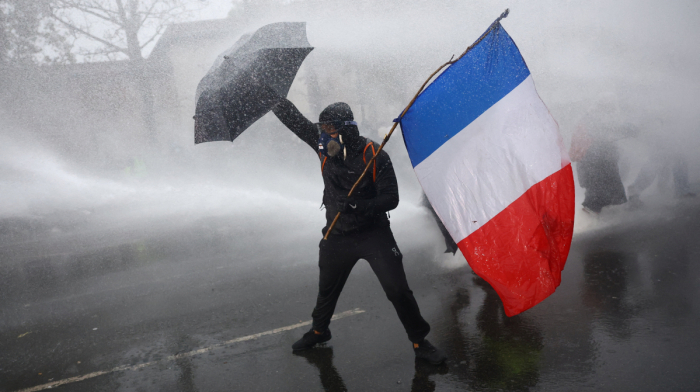
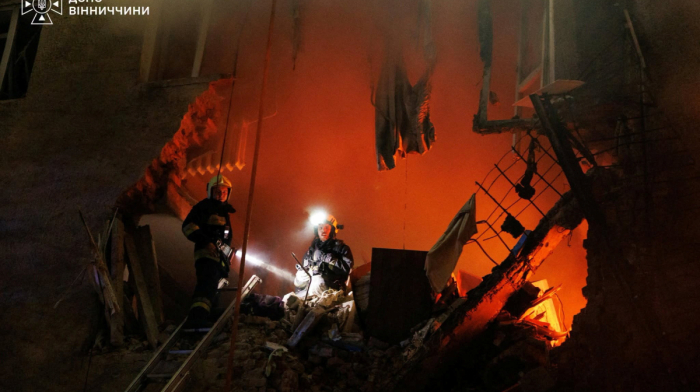
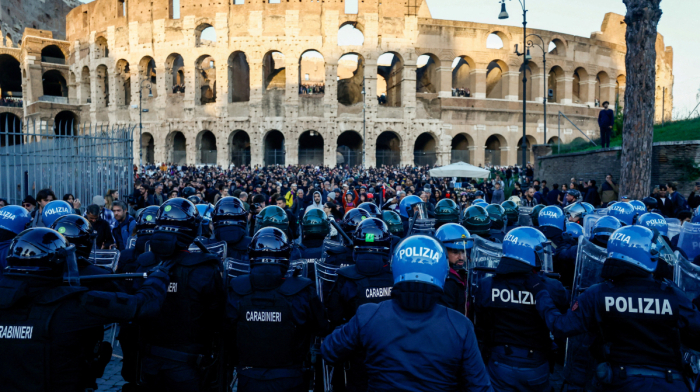
Protests broke out in Pakistan and Iraq on Sunday after Iranian state media confirmed that Supreme Leader Ayatollah Ali Khamenei had been killed in joint U.S.–Israeli strikes. At least nine people were reported dead in clashes near the U.S. consulate in Karachi.
Afghanistan said it had fired at Pakistani aircraft over Kabul after explosions and gunfire rocked the capital early on Sunday, marking a sharp escalation in fighting between the two neighbours.
A senior Iranian official has warned Israel to “prepare for what is coming”, insisting that Tehran’s response to the latest escalation in the Middle East will be made openly and without limits.
Cuba has released extensive details of a deadly midweek shootout at sea, showing rifles, pistols and nearly 13,000 rounds of ammunition that it says were carried by a group of exiles who attempted to enter the island by speedboat.
Afghanistan’s Taliban rulers said on Friday (27 February) they were ready to negotiate after Pakistan bombed their forces in several Afghan cities, including Kabul and Kandahar, and Islamabad declared the neighbours were now in "open war".
You can download the AnewZ application from Play Store and the App Store.
What is your opinion on this topic?
Leave the first comment