Oil prices hit four year high: Latest news on the Middle East conflict on 9 March
Global oil prices reached a four year high on Monday (9 March), surpassing $...
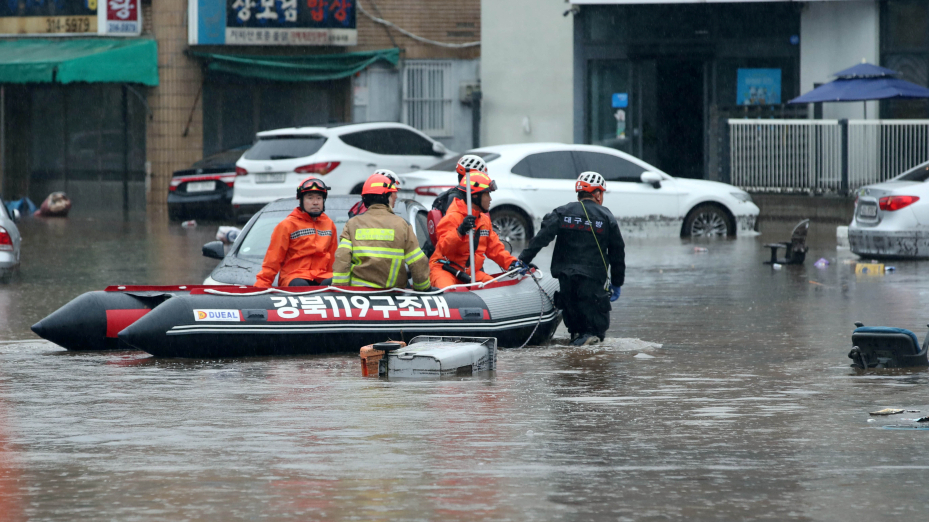
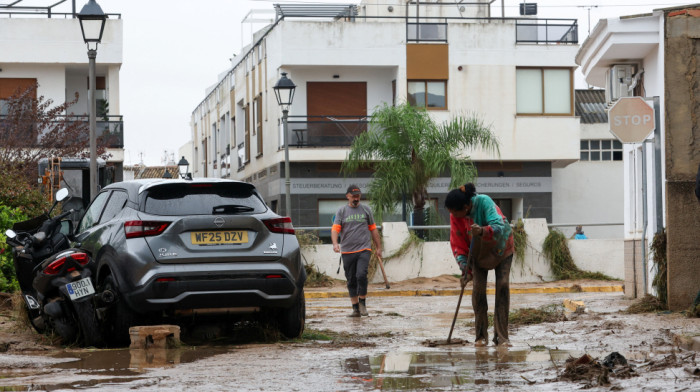
More than 5,000 people in South Korea have taken refuge in shelters as relentless rainfall continues to batter parts of the country for a third consecutive day, resulting in at least four deaths and significant damage to infrastructure, according to the Ministry of the Interior and Safety on Friday.
Heavy rain warnings remain in place across much of the country's western and southern regions, with the Korea Meteorological Administration urging residents to remain on high alert for potential landslides and flooding through Saturday.
In the southern city of Gwangju and surrounding areas, more than 400 millimetres (16 inches) of rain fell within a 24-hour period, marking a record level of precipitation, the ministry reported.
Four fatalities have been confirmed, and one person remains unaccounted for. Two victims were trapped in vehicles submerged on flooded roads, while another lost their life in a basement inundated by floodwater in South Chungcheong Province. Additionally, a motorist died on Wednesday in Osan, approximately 44 kilometres (27 miles) south of Seoul, when a 10-metre-high roadside wall collapsed onto their car, according to the fire department.
President Lee Jae Myung, who has consistently emphasised the need for stronger disaster preparedness, acknowledged that while natural disasters are unavoidable, better anticipation and early warnings could help reduce harm. Speaking at an emergency weather response meeting, he said, “Some casualties could have been prevented with more effective responses in situations that were fairly foreseeable,” and instructed authorities to mobilise all available resources.

Mojtaba Khamenei, son of the late Ayatollah Ali Khamenei, is a hardline cleric with strong backing from the Islamic Revolutionary Guard Corps. His rise signals continuity in Tehran's anti-Western policies.
Global oil prices surpassed $119 a barrel on Monday (9 March, 2026), an almost four year high, as the Middle East conflict rumbled on.
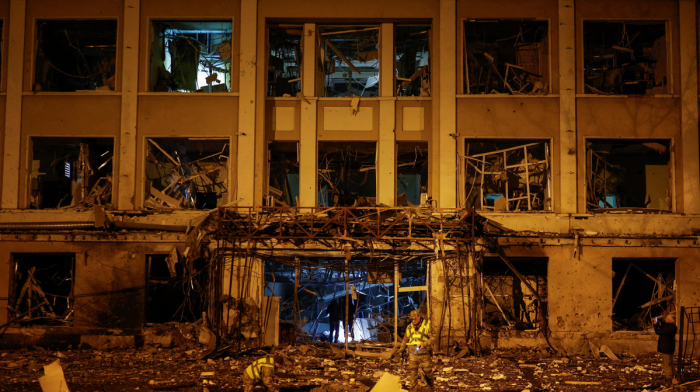
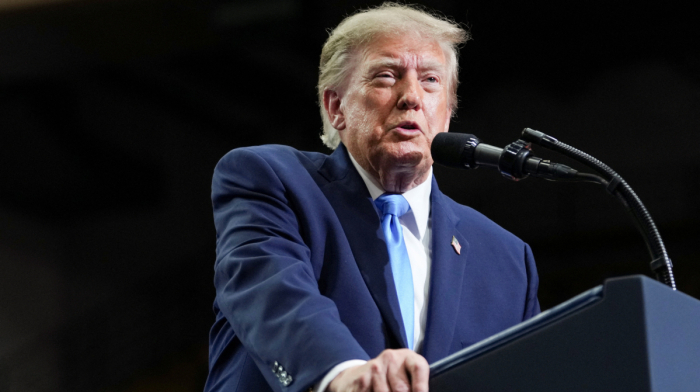
Trump says the United States "don’t need people that join wars after we’ve already won," targeting his criticism at UK Prime Minister Keir Starmer. Israel continues to fire missles at strategic sites in Iran and Gulf regions report more strikes from Iran.
China has urged Afghanistan and Pakistan to resolve their dispute through dialogue after Chinese envoy Yue Xiaoyong met Afghan Foreign Minister Amir Khan Muttaqi, as fighting between the two neighbours entered its eleventh day.
Iran named Mojtaba Khamenei to succeed his father Ali Khamenei as supreme leader on Monday (9 March), signaling that hardliners remain firmly in charge, as the week-old U.S.-Israeli war with Iran pushed oil above $100 a barrel.
U.S. President Donald Trump and UK Prime Minister Keir Starmer spoke by phone on Sunday as tensions between Washington and Westminster deepened over the conflict involving Iran. The call came less than a day after Trump criticised Britain’s response to U.S. strikes on Iranian targets.
Norwegian police are searching for a suspect after an explosion at the U.S. embassy in Oslo on 8 March caused minor damage but no injuries, in what authorities say may have been a deliberate attack linked to the Middle East crisis.
An explosion damaged a synagogue in the Belgian city of Liège early on Monday (9 March) in what authorities said was an antisemitic attack that caused damage but no injuries.
The Group of Seven (G7) finance ministers will meet on Monday to discuss a global rise in oil prices and a joint release of oil from emergency reserves coordinated by the International Energy Agency, the Financial Times reports.
Start your day informed with AnewZ Morning Brief. Here are the top news stories for the 9th of March, covering the latest developments you need to know.
You can download the AnewZ application from Play Store and the App Store.
What is your opinion on this topic?
Leave the first comment