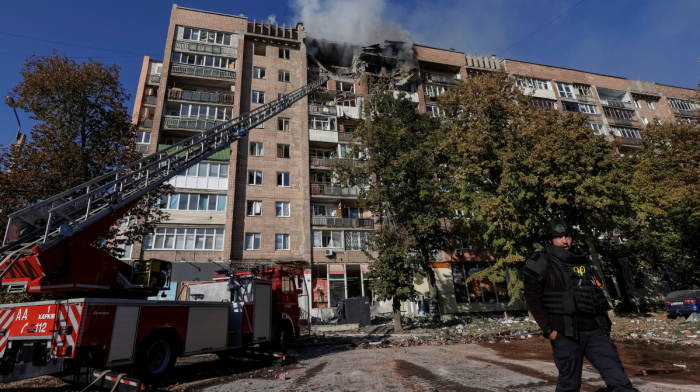
live U.S. hits Iranian radar installations after drone threat in Strait of Hormuz
The U.S. said it struck Iranian radar sites on Qeshm Island and in Goruk after intercepting four drones, while Iran's Revolutionary Guards said they l...
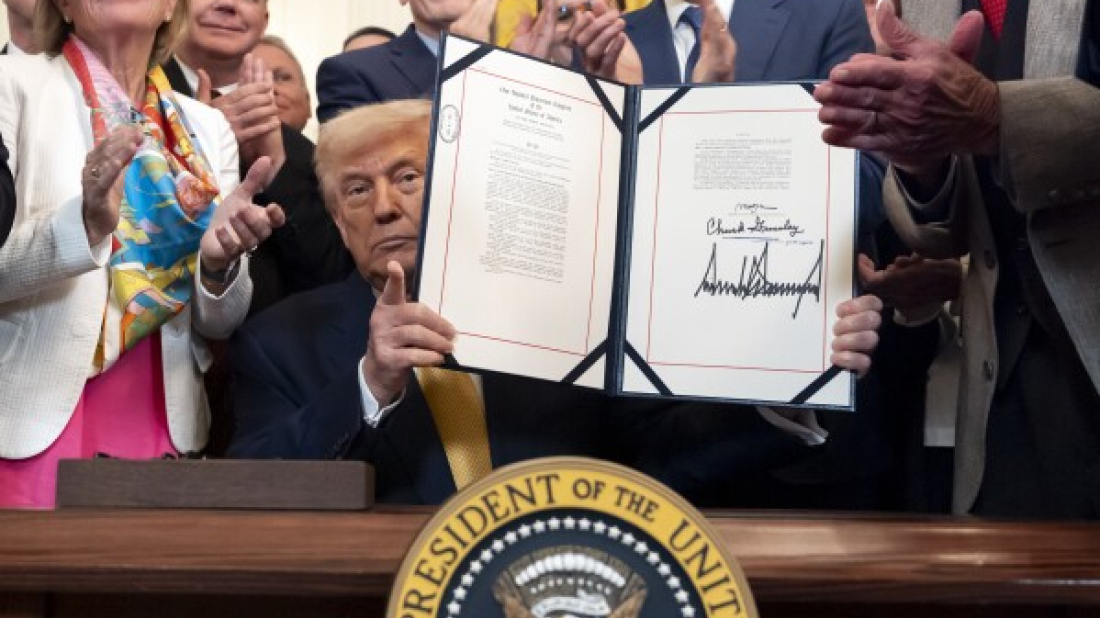
U.S. President Signs HALT Fentanyl Act. President Donald Trump said that China may soon begin imposing the death penalty on those involved in the manufacture and distribution of fentanyl. He made the comment at a White House event on Wednesday (16 July).
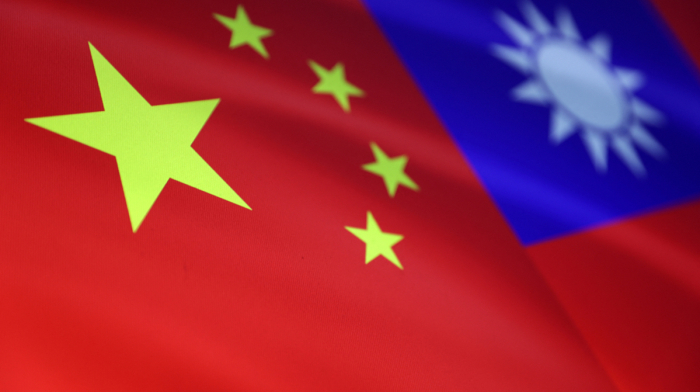
Speaking as he signed the HALT Fentanyl Act into law, Trump noted that a 20% tariff had been imposed on Chinese imports “as a penalty” due to the country’s role in supplying the deadly drug.
“I believe we’re going to work it out so that China ends up giving the death penalty to the people who create this fentanyl and send it into our country,” Trump said.
Families who had lost loved ones to fentanyl overdoses attended the event. Trump described the legislation as a “righteous blow” against drug dealers, cartels, and criminal networks.
“Today, we take an historic step towards justice for every family affected by the fentanyl scourge,” he said.
Trump also addressed the Mexican drug cartels, warning that they “have a tremendous grip on Mexico” and that the U.S. must take action.
"Mexican authorities are petrified; they’re afraid to go to work because the cartels have enormous influence over politicians and the people.”
Touching on relations with China, Trump said he has a good relationship with President Xi Jinping but insisted that firm measures were necessary due to fentanyl.
"This isn’t just a tariff, it’s a penalty. China delivers much of the fentanyl—some would say all of it—into Mexico and directly into our country.”
Anne Funder, a mother who lost her child to fentanyl, thanked Trump at the event, calling the legislation “a lifeline for families across America”.
“We want to keep America safe and protect our children. This is the promise you made, Mr President. God bless you and all the Angel Families here today,” she said.
In closing, Trump said to lawmakers, “This may be the most important job you have in government. I wish you the best of luck, and we’ll be there to support you all the way.”

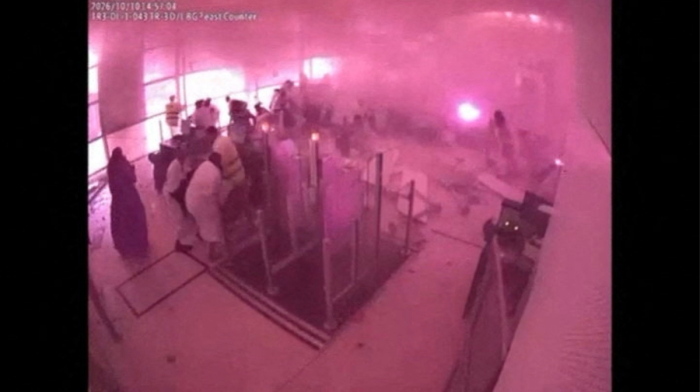
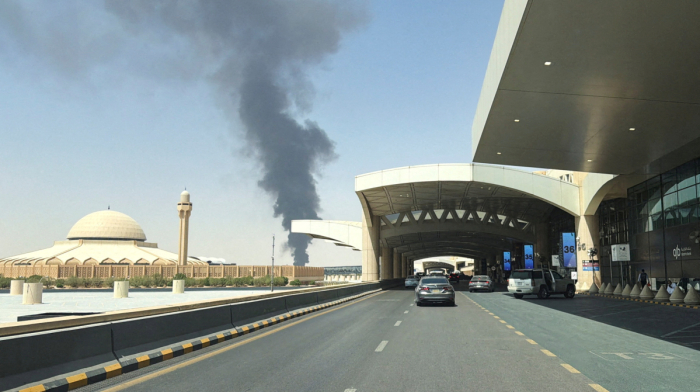
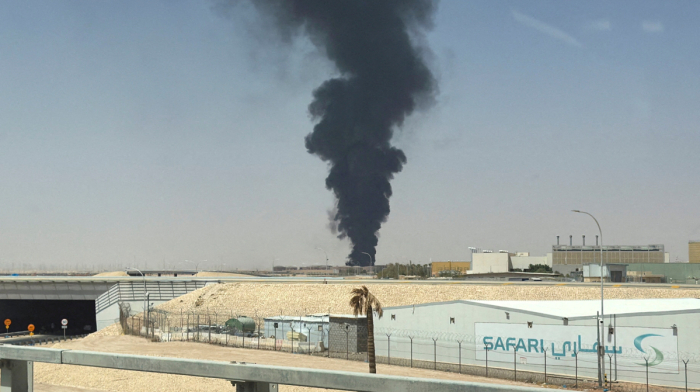
Iran’s Revolutionary Guards (IRGC) said in a statement that its Aerospace Force did not strike the Kuwait Airport passenger terminal on Wednesday, and that the destruction was instead caused by a failed U.S. Patriot missile.
Five Azerbaijani crew members were killed, and three others were injured after two cargo vessels were hit in a drone attack in the Sea of Azov, Azerbaijan's Foreign Ministry said on Friday, as Russia blamed Ukraine for the strike.
The new AnewZ documentary, TARGET: Yerevan, builds its explosive case on exclusive, secret recordings originally published by Minval Politika.
Azerbaijan has strongly rejected allegations published by CNN claiming that its territory was used for Israeli military and intelligence operations against Iran, describing the report as entirely baseless and demanding a retraction.
Armenia will hold parliamentary elections on 7 June 2026, a vote that will shape the country’s political direction for the next five years. Understanding how the electoral system converts votes into parliamentary power is key to following the outcome and its wider regional implications.
People across Gaza are facing a worsening humanitarian crisis, with millions struggling to access food, clean water, shelter and medical care as the conflict continues.
The United States has announced an additional $38 million to support efforts to contain the Ebola outbreak in the Democratic Republic of Congo, as health officials warn that the virus could spread further without stronger action.
More than 6,000 people gathered outside a vote-counting centre in Seoul on Friday night, demanding this week’s local elections be repeated after ballot shortages left some voters unable to cast their ballots.
The next time a goal goes in during a Champions League final, fans around the world could watch it from every angle at once — frozen, rotated and replayed in ways that were impossible only a few years ago.
An ageing, poorly insured shadow armada now accounts for around one-sixth of the world's tanker fleet. Hidden by design and fraught with risk, it operates beyond conventional oversight. A maritime law expert explains how it works, who profits, and why much of the world looks the other way.
You can download the AnewZ application from Play Store and the App Store.
What is your opinion on this topic?
Leave the first comment