Danish sperm banks and IQ requirements: separating fact from fiction
A viral claim circulating online that Denmark requires sperm donors to have an IQ of at least 85 is misleading....
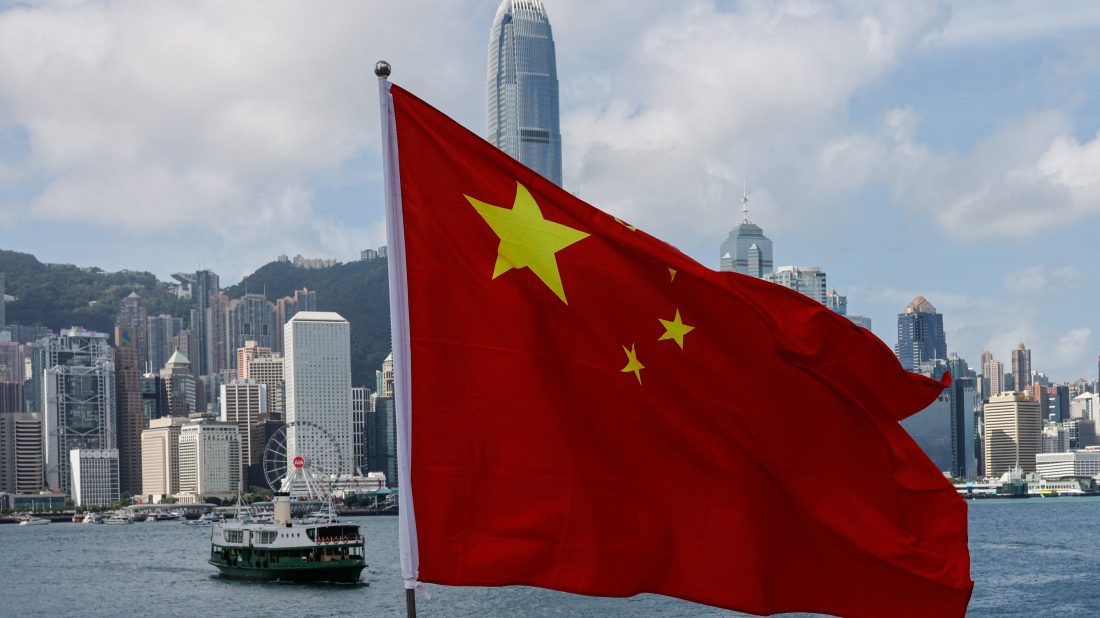
China’s cabinet on Thursday set fresh rules for its nationwide social-credit system, promising tighter control over personal data and stronger penalties for fraud as it seeks to ease public fears of surveillance.
The State Council said it would “promote high-quality development” of the ratings scheme, which scores firms, officials and citizens on their trustworthiness, by creating a long-term deterrent to dishonest conduct.
Under the guidelines, any records of wrongdoing—and the sanctions they trigger—must be collected, stored and shared strictly in line with Chinese law. Officials pledged that public credit disclosures would protect commercial secrets and individual privacy, while serious breaches could still bar offenders from loans, subsidies or public procurement.
Responding to criticism that the system harvests data with scant oversight, Beijing vowed to learn from international practice and to tread cautiously in areas that have raised “significant public concerns.”
Financial institutions, credit-rating agencies, internet platforms and data brokers will face closer scrutiny over how they gather, process and release personal information.
China began building the social-credit framework in 2014 to combat tax evasion, loan defaults and counterfeit goods. But weak regulation and enforcement have fuelled anxiety that the programme could become intrusive, prompting Thursday’s attempt to tighten safeguards while preserving the goal of a “fair and honest market environment,” the cabinet said.

For nearly three decades following the dissolution of the Soviet Union, the international system was defined by a singular, overwhelming reality: American unipolarity.
Chinese scientists have unveiled a new gene-editing therapy that they say could lead to a functional cure for HIV, making it one of the most promising developments in decades of global research.
Faced with mounting public outrage following one of the deadliest environmental disasters in the nation’s recent history, the Indonesian government has pledged to investigate and potentially shut down mining operations found to have contributed to the catastrophic flooding on Sumatra.
Britain’s King Charles III welcomed German President Frank-Walter Steinmeier on Wednesday, marking the beginning of his three-day state visit to the United Kingdom. The visit, the first by a German President to the UK in 27 years, comes as the two countries continue to strengthen ties post-Brexit.
U.S. President Donald Trump has launched a blistering verbal attack on the Somali community, characterising migrants as "garbage" just as federal authorities prepare a contentious enforcement operation in the Midwestern state of Minnesota.
While political leaders hail a historic agreement, residents of Goma remain skeptical as clashes continue on the ground.
President Donald Trump has appointed a new architect to oversee the highly anticipated White House ballroom project, a White House spokesman confirmed on Thursday.
A bipartisan group of U.S. senators, including prominent Republican China hawk Tom Cotton, introduced the SAFE CHIPS Act on Thursday, aiming to prevent the Trump administration from easing restrictions on China’s access to advanced artificial intelligence (AI) chips for a period of 2.5 years.
Czech President Petr Pavel has announced that he will appoint billionaire Andrej Babis, the winner of the recent elections, as the country’s new prime minister on December 9.
Nestled in the Dolomites, Cortina d’Ampezzo is racing toward the finish line ahead of the 2026 Winter Olympic Games. Officials said on Thursday that the Olympic Village is almost ready to receive athletes competing from February 6th to the 22nd.
You can download the AnewZ application from Play Store and the App Store.
What is your opinion on this topic?
Leave the first comment