How could political change in Iran reshape Georgia's economy?
When the current confrontation around Iran eventually fades into history, the real story for the South Caucasus may n...
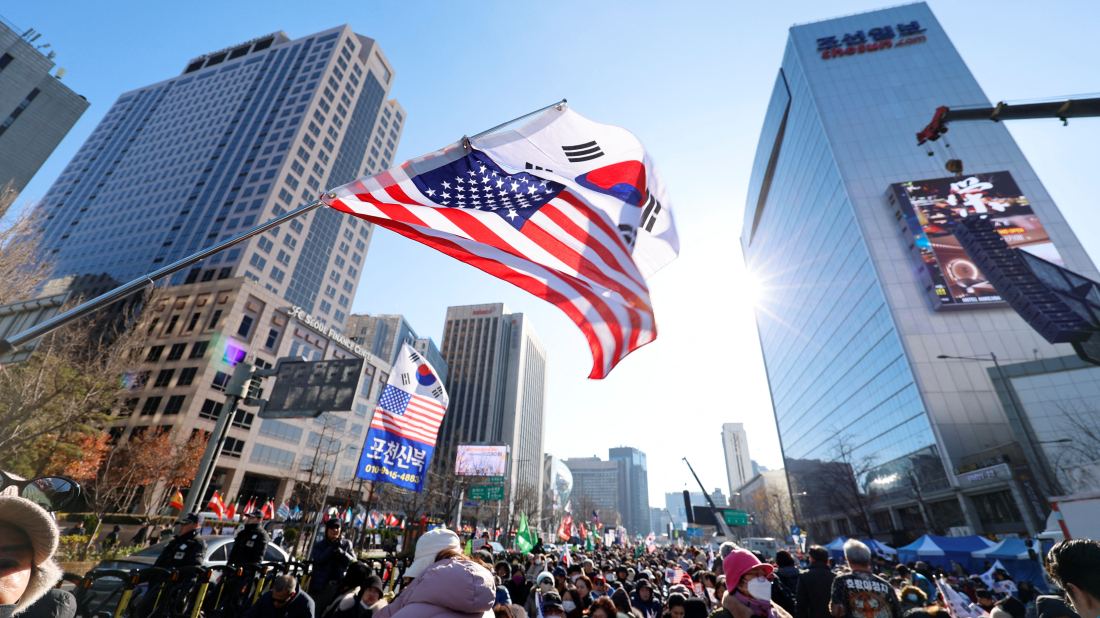
South Korea’s hospitality sector faces challenges as political turmoil sparks travel cancellations, raising concerns about safety and tourism recovery.
South Korea’s tourism industry, which contributed ₩84.7 trillion ($59.1 billion) or 3.8% of GDP in 2023, faces new challenges as political unrest deters visitors. The recent six-hour martial law, later rescinded, has led to some trip cancellations and a slight drop in hotel bookings.
Accor Group reported a 5% rise in cancellations, and the Korea Tourism Start-up Association noted declining bookings for early 2025. Hotels in Seoul, previously fully booked, now offer discounts to attract guests. Concerns extend to medical tourism, with some foreign patients cancelling appointments.
The "Korean Wave" of cultural exports and reputation for safety are key to South Korea’s tourism strategy, but ongoing protests could hinder growth in sectors like MICE tourism.
Experts believe the impact may be temporary if stability returns, while others remain optimistic about travel demand, particularly from China, South Korea’s largest visitor source.

The other evening, I was fuelling my car at a petrol station in Kenya’s capital. It was one of those small moments most motorists barely notice. The attendant filled the tank, I glanced at the pump price, paid, and drove off.
President Trump called on countries to assist in reopening the Strait of Hormuz, while Starmer said the UK is working with allies to restore navigation and stabilise oil markets. It comes as a strike near Iraq’s western border killed several Hashed al-Shaabi fighters, raising regional tensions.
Top U.S. and Chinese economic officials launched a new round of talks in Paris on Sunday (15 March) to resolve issues in their trade truce. The discussions aim to smooth the way for U.S. President Donald Trump’s visit to Beijing to meet Chinese President Xi Jinping at the end of March.
The process of evacuating foreign diplomats and citizens from Iran to Azerbaijan through the Astara state border crossing continues on Sunday (15 March), ensuring smooth and efficient transit for those arriving.
Kazakhstan has adopted a new constitution that could allow President Kassym-Jomart Tokayev to stay in power beyond 2029. The Central Election Commission confirmed that 87.15% of voters backed the constitution in a referendum held on Sunday (17 March).
Start your day informed with AnewZ Morning Brief. Here are the top news stories for the 17 March, covering the latest developments you need to know.
Kouri Richins, a U.S. woman who penned a children’s book about bereavement after the death of her husband has been found guilty of killing him.
Senior officials from the United States and China met in Paris this week for a new round of trade talks, as the world’s two largest economies attempt to manage their economic rivalry and avoid further tensions.
Court documents released on Monday (16 March) revealed that the British Broadcasting Corporation (BBC) has asked a U.S. judge to dismiss President Donald Trump's $10 billion defamation suit over a 2024 documentary, arguing his re-election proves the edited 2021 speech did not harm his reputation.
Polish fighter jets intercepted a Russian reconnaissance aircraft over the Baltic Sea on Friday (13 March), according to Poland’s Operational Command.
You can download the AnewZ application from Play Store and the App Store.
What is your opinion on this topic?
Leave the first comment