live U.S.-Iran standoff continues as Hormuz shipping and diplomacy remain uncertain
Shipping traffic through the Strait of Hormuz remains limited on Thursday, with no increase in vessel crossings as U.S.-Iran talks to res...
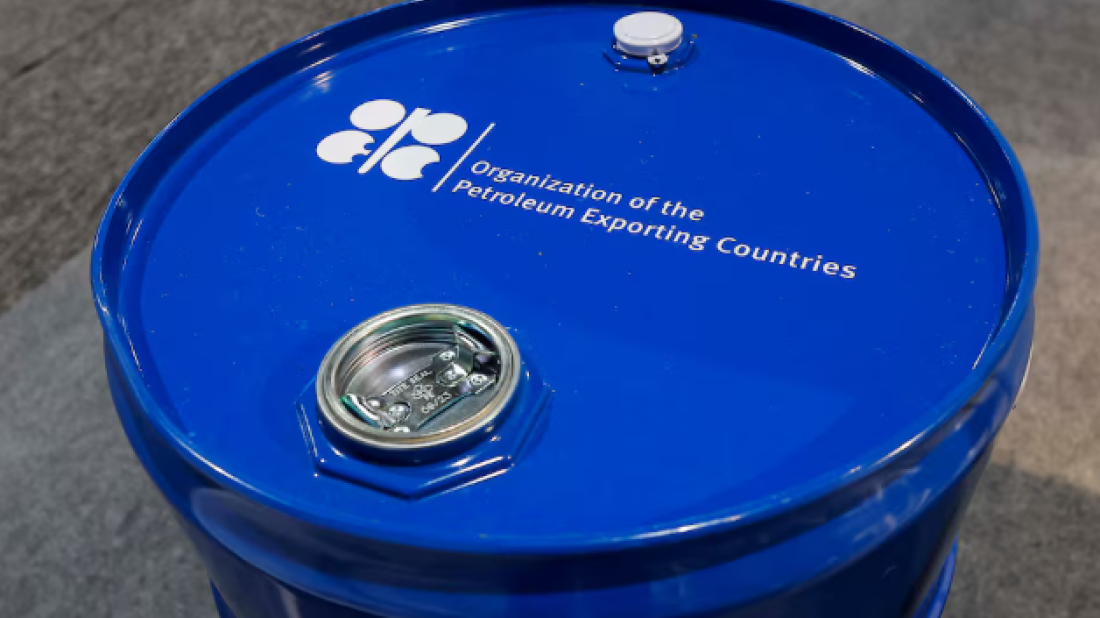
OPEC+ has agreed to raise oil production by 548,000 barrels per day in August, accelerating output increases amid geopolitical tensions and pressure from U.S. President Donald Trump to help ease fuel prices.
At its latest meeting on Saturday, OPEC+ announced it will raise oil production by 548,000 barrels per day (bpd) starting in August. This marks a significant acceleration in monthly output hikes, following increases of 411,000 bpd approved for May through July.
The decision comes after a period of volatile oil prices triggered by Israeli and U.S. strikes on Iran. OPEC+, which includes the Organization of the Petroleum Exporting Countries and allies led by Russia, had been cutting production since 2022 to support global oil prices. But in 2025, the group shifted strategy to reclaim market share amid rising output from rival producers such as the United States.
The upcoming increase will come from eight members: Saudi Arabia, Russia, the UAE, Kuwait, Oman, Iraq, Kazakhstan, and Algeria — the same group that began unwinding 2.2 million bpd in voluntary cuts starting in April.
OPEC+ cited a stable global economic outlook and tight oil inventories as justification for the production boost. The group has now restored 1.918 million bpd of its initial 2.2 million bpd reduction, with just 280,000 bpd remaining. Additionally, the UAE has been allowed to increase production by 300,000 bpd separately.
Tensions have emerged within the group after some members, including Kazakhstan and Iraq, exceeded production targets, raising concerns among those maintaining cuts. Kazakhstan, in particular, returned to record-level output last month.
Despite this increase, OPEC+ still maintains a separate set of cuts amounting to 3.66 million bpd. The coalition will reconvene on August 3 to assess further action.

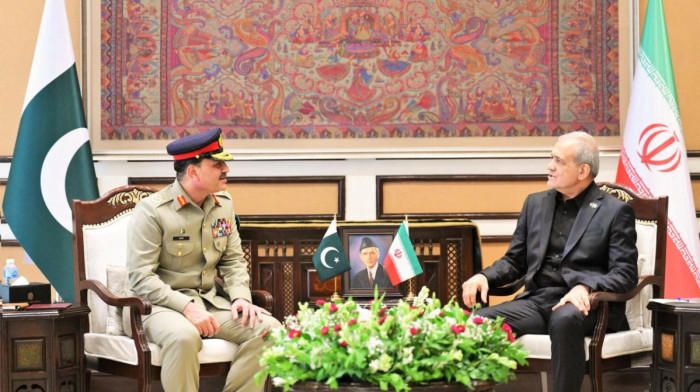
The collective-defence agreement between Türkiye, Saudi Arabia and Pakistan signals that regional powers no longer want to rely solely on external security guarantees. Whether it becomes a stabilising deterrent or another axis of rivalry remains unresolved.
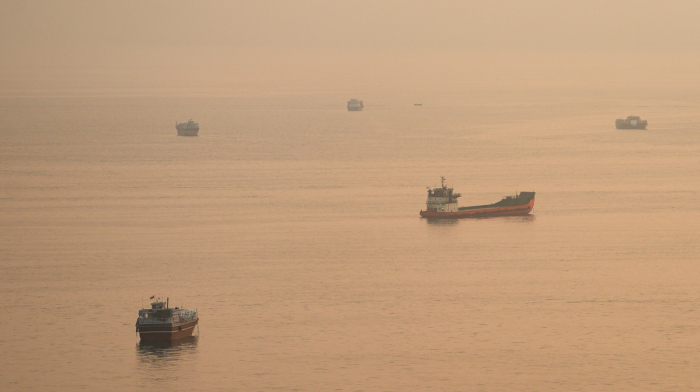
Shipping traffic through the Strait of Hormuz remains limited on Thursday, with no increase in vessel crossings as U.S.-Iran talks to resolve the conflict remained stalled. Nine commodity vessels transited the key waterway on Wednesday, unchanged from the previous day, according to Kpler data.
Shipping through the Strait of Hormuz has slowed, according to the latest data, as uncertainty over the waterway’s reopening kept most shipowners away. Six commodity vessels crossed the strait on Tuesday, down from nine the day before and below the 10-day daily average of 11.
Iran has said the Strait of Hormuz will remain closed until the U.S. fulfils the terms of an interim deal, including lifting the maritime blockade and sanctions and releasing Iran’s frozen assets.
Start your day informed with AnewZ Morning Brief. Here are the top news stories for the 19th of August, covering the latest developments.
Shipping traffic through the Strait of Hormuz remains limited on Thursday, with no increase in vessel crossings as U.S.-Iran talks to resolve the conflict remained stalled. Nine commodity vessels transited the key waterway on Wednesday, unchanged from the previous day, according to Kpler data.
Australia on Thursday condemned Israel’s decision to close its criminal investigation into the deaths of Australian aid worker Zomi Frankcom and six World Central Kitchen colleagues killed in Gaza in April 2024.
North Korea has fired more than 10 short-range ballistic missiles after U.S. President Donald Trump reduced American participation in joint military exercises with South Korea in an effort to revive dialogue with Pyongyang.
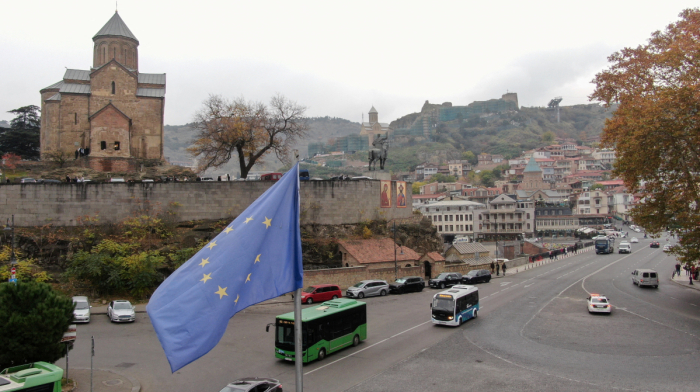
Georgia’s foreign trade data for January-July 2026 shows Kyrgyzstan, China and Russia as its top three export markets, highlighting its Middle Corridor ambitions and complex economic ties with Moscow.
Kazakhstan will vote on 23 August in its first parliamentary election under the new Constitution, choosing 145 members of the new Kurultai under a fundamentally changed electoral system based entirely on party lists.
You can download the AnewZ application from Play Store and the App Store.
What is your opinion on this topic?
Leave the first comment