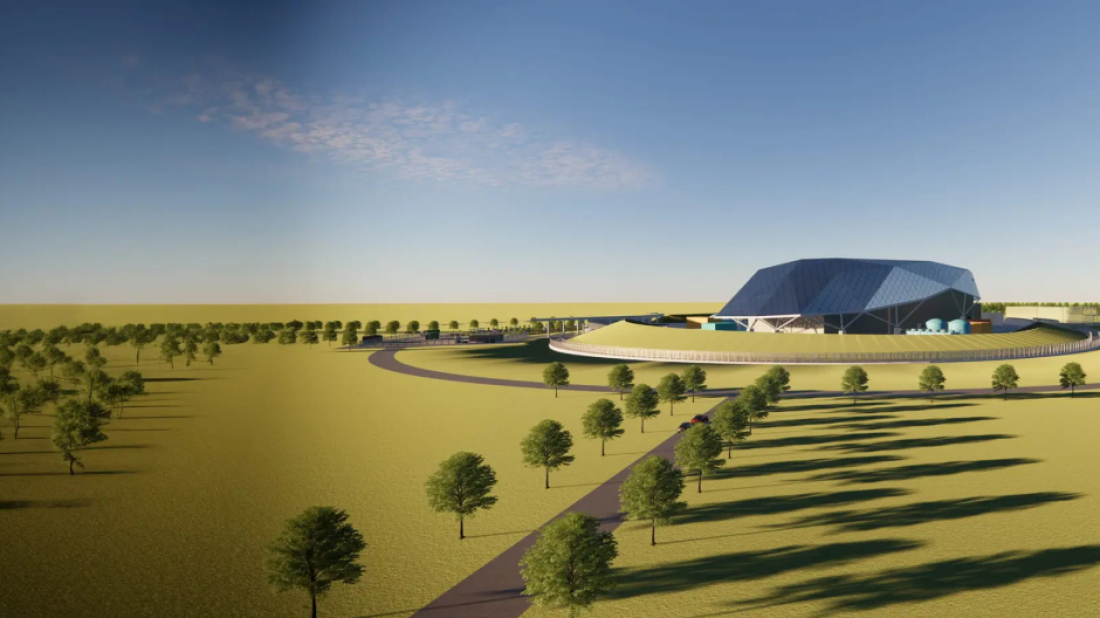
Rolls-Royce SMR has been named the preferred bidder to develop the UK's first small modular reactors (SMRs) in partnership with the newly renamed Great British Energy – Nuclear. The project aims to bolster the UK's clean energy supply and energy independence.
In a landmark announcement for Britain's energy sector, Rolls-Royce SMR has been selected to develop and deploy a new fleet of Small Modular Reactors (SMRs). The decision marks the culmination of a competitive process launched in July 2023 to identify the best technology to enhance the UK's energy independence and achieve its net-zero goals.
The project is a central pillar of the government's plan to revitalise British industry and establish the country as a "clean energy superpower." It's backed by a significant government investment of over £2.5 billion for the overall SMR programme during this Spending Review period. The initiative is expected to support up to 3,000 skilled jobs at its peak and provide clean power for the equivalent of 3 million UK homes.
Energy Secretary Ed Miliband described the move as the start of a "golden age of nuclear with the biggest building programme in a generation." He emphasized the plan will create thousands of jobs and strengthen national energy security.
Adding to the economic focus, Chancellor Rachel Reeves highlighted the ambition for "70% of supply chain products to be British built," ensuring the project delivers widespread benefits through more domestic jobs and investment.
The SMR Advantage
Small Modular Reactors represent a new approach to nuclear energy. Unlike traditional large-scale nuclear power stations, SMRs are smaller and can be built more quickly. Their key advantage lies in their modular design, which allows components to be manufactured in a factory setting before being transported to the site for assembly. This process is expected to streamline construction and reduce costs as more units are rolled out.
The Path Forward
Great British Energy – Nuclear, which has been renamed from Great British Nuclear to reflect its mission, will now work towards signing contracts with Rolls-Royce SMR later this year. The partnership will also aim to allocate a site for the first reactor in 2024, with the goal of connecting the first SMRs to the national grid in the mid-2030s.
Simon Bowen, Chairman of Great British Energy – Nuclear, called the announcement "a defining moment for the UK’s energy and industrial future," adding that it’s "about revitalising British industry, creating thousands of skilled jobs, and building a platform for long-term economic growth."
When these SMRs come online, they will operate alongside new large-scale stations at Hinkley Point C and the planned Sizewell C, collectively delivering the largest expansion of nuclear power in the UK for more than half a century. The move also strategically positions Britain to capture a share of the global SMR market, which is projected to reach nearly £500 billion by 2050.

























What is your opinion on this topic?
Leave the first comment