Floods in Indonesia leave hospitals overwhelmed and communities isolated
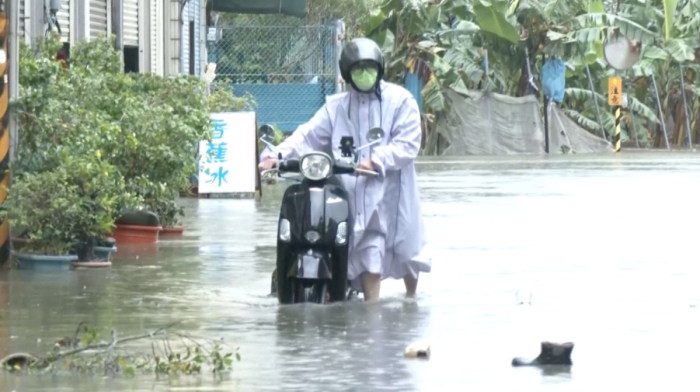
Residents in Aceh Tamiang, Indonesia, are facing rising diseases and limited medical care after cyclone-driven floods and landslides destroyed homes a...
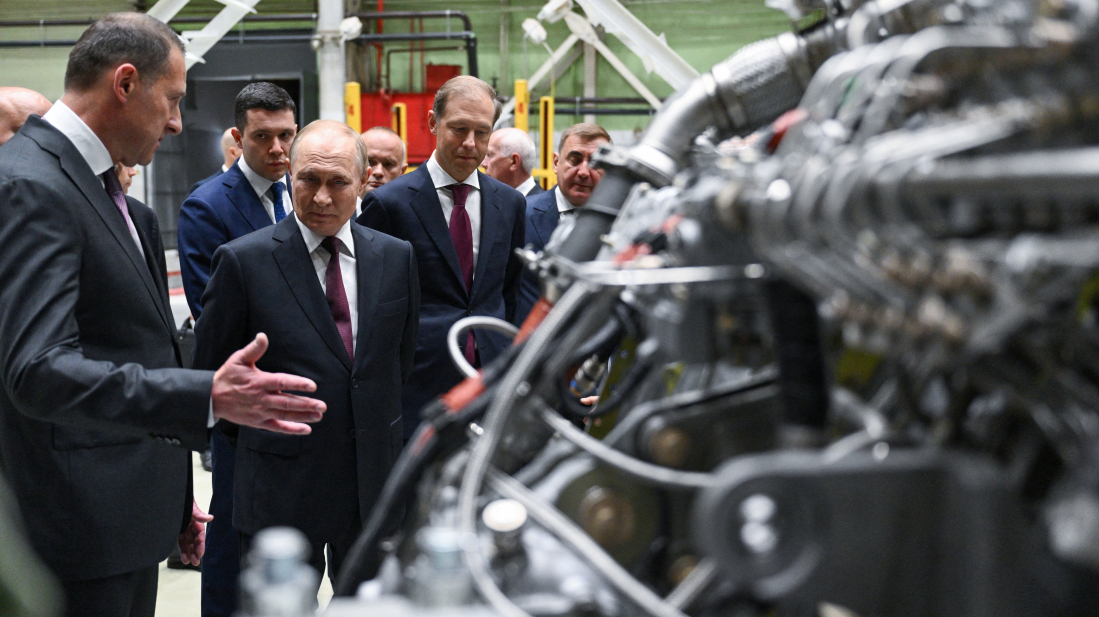
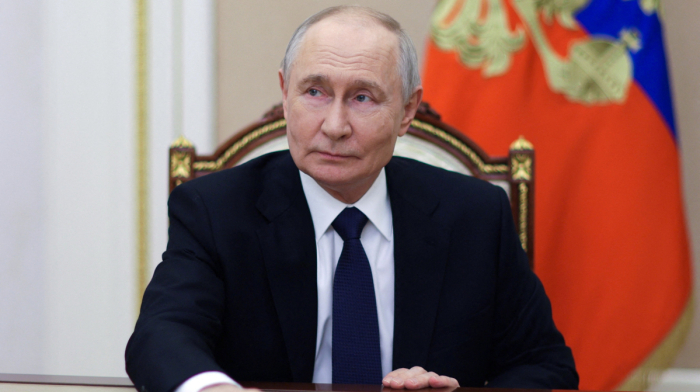
Russian President Vladimir Putin on Friday urged Russia’s aerospace industry to step up efforts to develop booster rocket engines and expand the country’s role in global space technology.
Speaking in the southern city of Samara after touring the Kuznetsov aircraft engine design bureau, Putin said renewing production capacity for launch vehicle engines was vital both to meet domestic needs and to compete internationally.
“It is important to consistently renew production capacity in terms of engines for booster rockets,” Russian news agencies quoted him as saying.
“And in doing so, we must not only meet our own current and future needs but also move actively on world markets and be successful competitors.”
Putin highlighted Russia’s progress in developing new engines for the energy sector despite Western sanctions imposed after the 2022 invasion of Ukraine, calling it proof of the industry’s resilience.
“In conditions of restrictions from sanctions, we succeeded in a short period of time in developing a series of innovative engines for energy,” he said, noting their use in gas transport systems.
He linked the issue to Russia’s wider energy ambitions, particularly the planned Power of Siberia 2 pipeline under discussion with China. Putin described the project as beneficial for both Moscow and Beijing, saying it had gained urgency as Russia seeks to redirect gas exports away from Europe.
Turning to aviation, the president pointed to the development of the PD-26 engine, which he said would modernise military transport aircraft and enable construction of a new generation of wide-bodied passenger planes.
Putin’s visit to Samara capped a week in which he also travelled to China and Vladivostok, using public appearances to underline Russia’s technological and industrial ambitions amidst sanctions and geopolitical isolation.
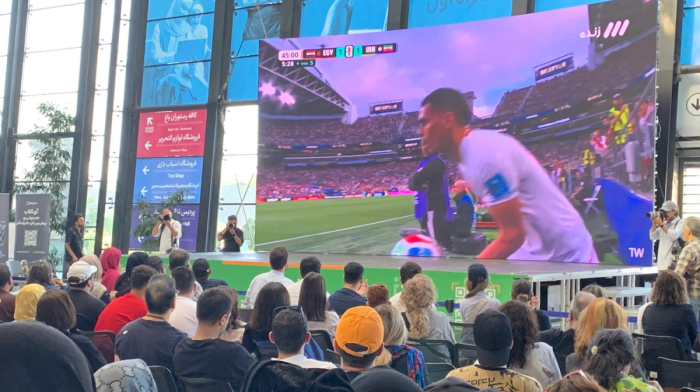
The 2026 FIFA World Cup draw at the Kennedy Center in Washington, D.C., has finalized the group stage for the tournament co-hosted by the U.S., Canada, and Mexico, setting the schedule and matchups for next summer’s expanded 48-team event.
FIFA releases the 2026 World Cup schedule with match dates, venues, and key fixtures. See when host nations USA, Mexico, and Canada play and get an overview of group stage and knockout rounds.
A group of soldiers has appeared on Benin’s state TV announcing the dissolution of the government in an apparent coup, the latest of many in West Africa.
Pakistan and Afghanistan exchanged heavy fire along their shared border late on Friday, a reminder of how sensitive the frontier remains despite ongoing diplomatic efforts.
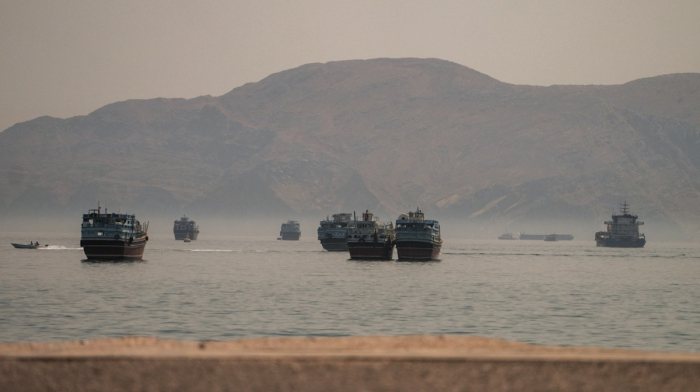
Iran’s Foreign Ministry has strongly condemned the Gulf Cooperation Council (GCC) for its support of the claims by United Arab Emirates on three Iranian islands.
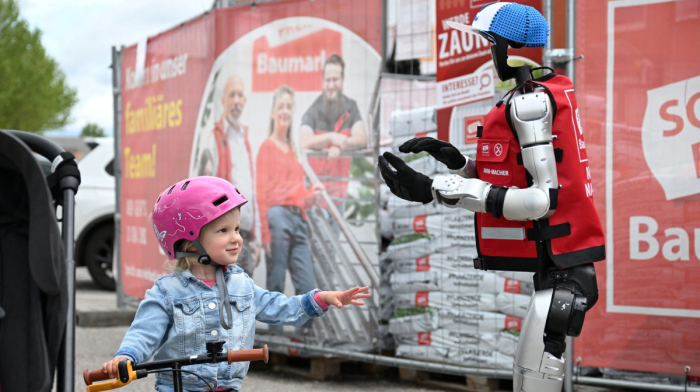
The International Robot Exhibition (IREX) opened in Tokyo on 3 December, bringing together visitors to explore robotics applications for industry, healthcare, logistics, and everyday life.
A bipartisan group of U.S. senators, including prominent Republican China hawk Tom Cotton, introduced the SAFE CHIPS Act on Thursday, aiming to prevent the Trump administration from easing restrictions on China’s access to advanced artificial intelligence (AI) chips for a period of 2.5 years.
A former Apple engineer has unveiled a new Chinese chip designed to compete directly with Apple’s Vision Pro headset.
Chinese AI startup DeepSeek has introduced its newest model, DeepSeek-V3.2-Speciale, claiming it can perform some tasks as well as the latest models from Google DeepMind and OpenAI.
A new robotic system developed for the Czech Police is reshaping how complex investigations are carried out, bringing laboratory-level precision directly to crime scenes.
You can download the AnewZ application from Play Store and the App Store.
What is your opinion on this topic?
Leave the first comment