Kazakhstan hosts Central Asia ecological summit in April
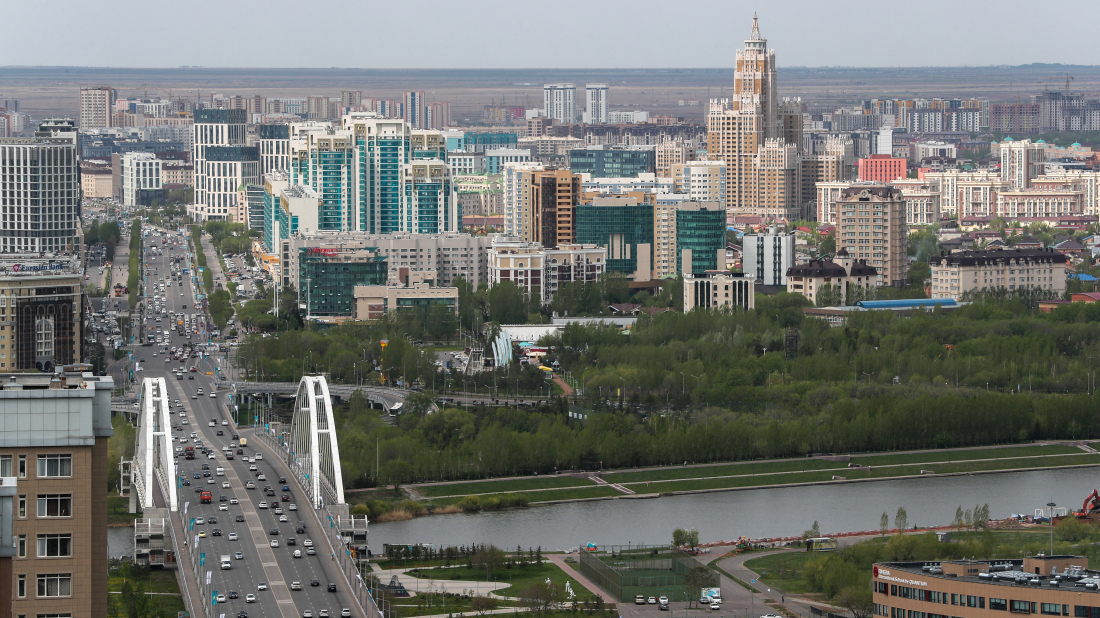
The Regional Environmental Summit 2026 will be held in Astana from 22-24 April, bringing together Central Asian countries to strengthen regional dialo...
Kazakhstan’s industrial sector grew by 6.4% year-on-year in the first five months of 2025, driven by increased oil production and strong performance in manufacturing, according to Halyk Finance.
Kazakhstan’s industrial sector posted robust growth between January and May 2025, expanding 6.4% year-on-year, with the mining and manufacturing industries playing a dominant role, data from Halyk Finance’s analytical centre showed on June 26.
The mining sector, which contributes around 12% to the country’s GDP, expanded by 7.8%. This was largely attributed to rising oil production at the Tengiz field, which also bolstered the output of diesel, gas, fuel oil, and petroleum coke. The increased oil activity also stimulated wholesale trade and transport, making oil a primary engine of economic growth during the period.
Crude oil production rose by 10.2%, coal by 11.3%, and metal ores by 0.8%. With mining comprising 45.5% of the country’s total industrial output, the sector’s performance had a wide-reaching impact on the economy. However, analysts expect this momentum to ease as the Tengiz expansion nears completion and global oil prices potentially fall, particularly if tensions between Iran and Israel de-escalate.
The manufacturing sector, contributing 11.9% to GDP, grew by 6% in the same period. Food production and mechanical engineering both increased by 10.5%, while ferrous metallurgy rose 3.4%. A 2.1% decline in basic precious and non-ferrous metals production weighed slightly on the overall figures.
Meanwhile, growth in the energy sector stalled at 0.1%, down sharply from the previous year. This was attributed to a decrease in the value of electricity transmission and distribution, although natural output edged up by 2.9%.
The water supply and waste management sector continued its downward trend, falling by 6.2% year-on-year, following a smaller 0.1% dip the year before. The latest decline was linked to reduced volumes in water treatment and waste collection.
Seventeen of Kazakhstan’s regions posted industrial growth, with Zhambyl and Zhetisu Regions and the city of Shymkent standing out for their particularly strong performance.

At least four people were injured after a large fire and explosions hit a residential building in the Dutch city of Utrecht, authorities said.
A crane collapse at a construction site near Bangkok has killed two people and injured five others on Thursday, Thai police said, a day after a separate crane accident derailed a train in northeastern Thailand, killing dozens.
Ukraine has declared a state of emergency in its energy sector after sustained Russian attacks severely damaged power and heating infrastructure, Ukrainian President Volodymyr Zelenskyy said on Wednesday.
A railway power outage in Tokyo disrupted the morning commute for roughly 673,000 passengers on Friday (16 January) as two main lines with some of the world's busiest stations were halted after reports of a fire.
Iran reopened its airspace late on Wednesday after a near five-hour closure that disrupted airline traffic, amid heightened concerns over possible military escalation involving the United States.
The Regional Environmental Summit 2026 will be held in Astana from 22-24 April, bringing together Central Asian countries to strengthen regional dialogue on climate and environmental challenges.
Kazakhstan has begun recalibrating its oil export logistics amid ongoing restrictions affecting the Caspian Pipeline Consortium (CPC), a vital conduit for the country’s crude supplies to global markets.
Reza Pahlavi, the exiled son of Iran’s last shah, has called for support for protesters seeking to overthrow Iran’s government. Speaking at a press conference in Washington on 16 January, Pahlavi outlined plans to return to Iran and called for action against the country’s Revolutionary Guards.
The Turkish Defence Ministry has voiced its support for recent military operations by Syrian government forces against the Kurdish-led Syrian Democratic Forces (SDF), which enjoy the support of the United States.
Uzbekistan plans to establish production facilities in Qatar as part of a strategy to expand exports and strengthen its presence in Gulf markets.
You can download the AnewZ application from Play Store and the App Store.
What is your opinion on this topic?
Leave the first comment