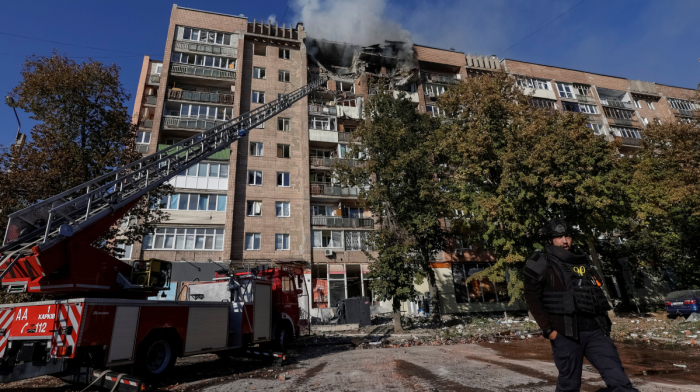
Southern Europe braces for fresh heatwave as wildfire threat intensifies
Southern European countries are preparing for another wave of scorching temperatures on Wednesday, having barely recovered from last month's heatwave....
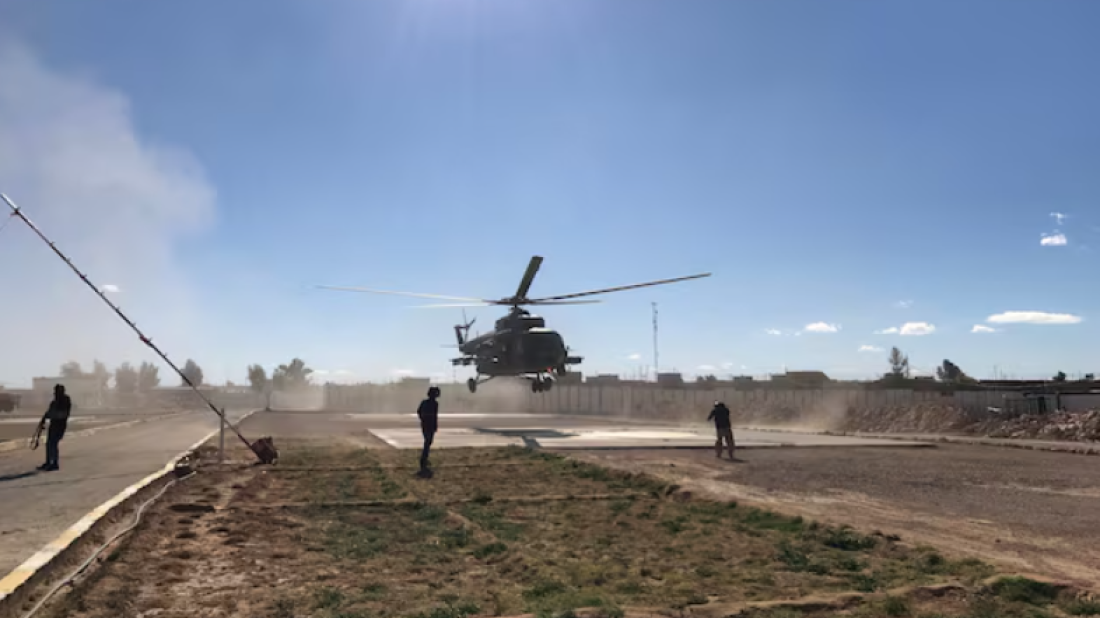
Iraq has officially reopened the Qaim border crossing with Syria, allowing trade and passenger traffic to resume in a key step toward restoring economic and diplomatic ties between the two countries.
Iraq on Saturday reopened the Qaim border crossing with Syria for both cargo trucks and civilian travel, marking a major step in reviving cross-border trade and rebuilding relations with its war-torn neighbor.
“The Qaim crossing is now fully operational for both cargo trucks and civilian movement,” a spokesman for Iraq’s border authority. He noted that the reopening followed joint security assessments conducted by Iraqi and Syrian officials.
The crossing, located in Iraq’s western Anbar province, had been closed for years following Syria’s civil conflict and the ousting of former President Bashar al-Assad. The move comes three months after Syrian Foreign Minister Asaad al-Shibani visited Baghdad, urging Iraqi leaders to resume trade and people-to-people ties.
A statement from Iraq’s border crossings authority confirmed that the first Syrian truck passed through the border post on Saturday after routine inspection. Passenger movement also resumed, with officials citing a desire to ease travel for Iraqi citizens.
Local officials view the crossing as a vital economic artery. “This crossing will serve as a strategic corridor for commodity trade between Iraq and Syria,” said Turki al-Mahallawi, mayor of the border town of al-Qaim.
The reopening also signals improved ties between Baghdad and Damascus under Syria’s new President Ahmed al-Sharaa, who has prioritized restoring regional partnerships since taking office last year. Iraqi officials say bilateral coordination on border security and trade facilitation has increased significantly.
The Qaim crossing is expected to boost commercial activity and create new economic opportunities in western Iraq and eastern Syria, two regions that have long struggled with insecurity and underdevelopment.

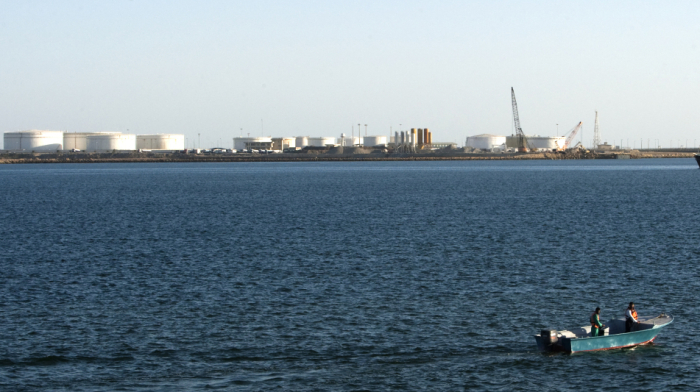
The U.S. says it has launched strikes on Iran after alleged attacks on three commercial vessels in the Strait of Hormuz. Washington described the action as a response to threats against civilian shipping and a breach of the ceasefire.
NATO leaders are unveiling multi-billion-dollar arms deals in Ankara as President Donald Trump joins the summit, highlighting Europe's increased defence spending amid tensions over Russia and Iran, and following years of U.S. criticism of the alliance.
U.S. President Donald Trump said on Wednesday that the memorandum of understanding signed with Iran to end the conflict was "over", adding he did not want to engage with Tehran, calling the Iranian leadership "sick people".
Massive crowds are gathering in the streets of Tehran on Monday for the funeral procession of Iran's slain former supreme leader, Ali Khamenei, as part of a week-long farewell. His son and designated successor, Mojtaba Khamenei, has yet to make a public appearance.
Start your day informed with the AnewZ Morning Brief. Here are the top stories for the 7th of July, covering the latest developments you need to know.
Kazakhstan's Constitutional Court ruled that President Kassym-Jomart Tokayev is eligible to seek a new presidential term under the country's newly adopted constitution. It's after a referendum on the constitution in March reset presidential term limits - a move that could extend his time in power.
Pakistan's military on Monday linked cross-border militancy, hybrid threats and water security during the 276th Corps Commanders' Conference, reaffirming continued intelligence-based counterterrorism operations and support for the government's position on the Indus Waters Treaty (IWT).
Ramzan Kadyrov has been left off the ruling United Russia party's election list for Chechnya for the first time since 2007, fuelling fresh speculation about his political future and succession plans.
Afghanistan's disaster authority says it and the International Committee of the Red Cross (ICRC) are seeking to expand cooperation on emergency response as the country continues to face floods, earthquakes, drought and the long-term threat from mines and unexploded ordnance.
The Green Climate Fund has approved a $30 million climate adaptation project for Tajikistan to help 73,500 people strengthen food security, protect water resources and build more resilient rural livelihoods.
You can download the AnewZ application from Play Store and the App Store.
What is your opinion on this topic?
Leave the first comment