live Hopes for Hormuz deal fade as Trump adds new demands to Iran peace talks
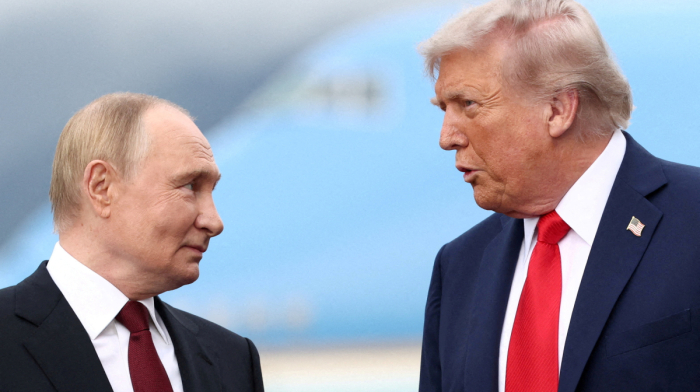
U.S. President Donald Trump has called for Iran to pay compensation for decades of deaths and damage, adding a new demand to peace talks as Tehran see...
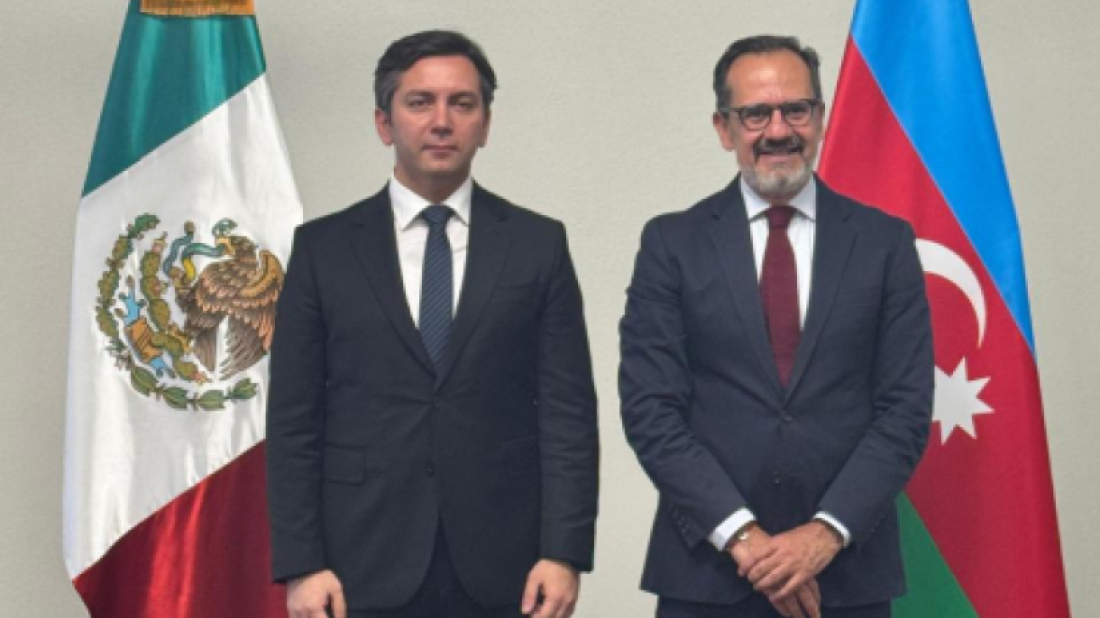
Azerbaijan’s leadership as COP29 President was praised during high-level meetings in Mexico, where the two countries discussed climate diplomacy and the expansion of bilateral ties.
A delegation headed by Yalchin Rafiyev, Deputy Foreign Minister of the Republic of Azerbaijan and COP29 Lead Negotiator, paid an official visit to the United Mexican States on May 23 to advance climate diplomacy and bilateral relations.
As part of the visit, Rafiyev held meetings with Enrique Ochoa Martínez, Undersecretary for Multilateral Affairs and Human Rights at Mexico’s Ministry of Foreign Affairs; Camila Zepeda, Mexico’s Chief Climate Negotiator; and representatives of the Mexican Council on Foreign Relations (COMEXI), a prominent policy think tank.
In the meeting with Undersecretary Ochoa Martínez, both sides praised the constructive cooperation between Azerbaijan and Mexico within international organizations and multilateral platforms. Rafiyev provided an overview of Azerbaijan’s foreign policy priorities, including ongoing peace efforts with Armenia, and outlined upcoming events under Azerbaijan’s leadership in international forums.
The talks also focused on collaboration in addressing climate change and included a detailed exchange on Azerbaijan’s COP29 Presidency.
During discussions with Camila Zepeda, Mexico’s Chief Climate Negotiator, Azerbaijan’s progress and leadership as the host of COP29 were acknowledged and commended.
At COMEXI, Rafiyev engaged in dialogue on Azerbaijan’s evolving geopolitical role following the 44-day Patriotic War in 2020, the shifting dynamics in the South Caucasus, and the country’s active involvement in international diplomacy.
Participants also explored Azerbaijan’s climate agenda under its COP29 Presidency, with emphasis on the substance of negotiations and progress achieved thus far, which received high praise from Mexican counterparts.
The visit underscored the shared commitment of Azerbaijan and Mexico to global climate action and multilateral cooperation.

One hundred years after the First World War and more than eighty years after the devastation of the Second World War gave rise to the United Nations, humanity once again finds itself living in an age of permanent crisis.
Flights arriving at Catania airport in eastern Sicily were suspended after volcanic ash from a new eruption of Mount Etna drifted into the airspace around the airport, disrupting operations at one of Italy’s busiest aviation hubs.
For months, efforts to secure the Red Sea have focused on what is happening in the water. Naval deployments have increased, governments have expanded maritime cooperation and shipping companies have adapted to persistent security threats.
Greenland has issued a “strong warning” to a U.S. oil company linked to President Donald Trump after drilling equipment was brought ashore without the required government approvals, according to British media.
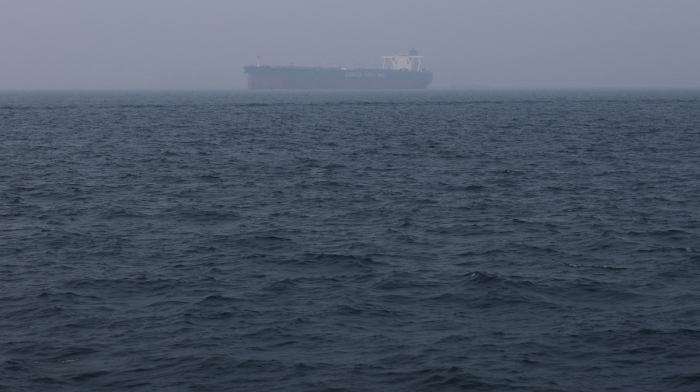
Iran said it was nearing a final pact with Oman defining new shipping lanes between them through the Strait of Hormuz but repeated that the U.S. must meet other conditions.
As Russian officials praise Georgia’s “pragmatic” approach towards Moscow, Prime Minister Irakli Kobakhidze has explained why he will not describe Russia as an “enemy”.
Kazakhstan has begun building the Beineu-Saksaulsk highway, a new Middle Corridor link expected to shorten freight journeys between China and Europe by around 1,000 kilometres and reduce delivery times by up to three days.
Russia has welcomed what it describes as a shift in Georgia’s approach to the August 2008 war, praising statements that place responsibility for the conflict on former President Mikheil Saakashvili and his government.
Uzbekistan has secured preferential tariffs for fertiliser and petroleum product shipments through Kazakhstan’s Kuryk port to Georgian ports, as Uzbek cargo volumes across the Caspian continue to rise.
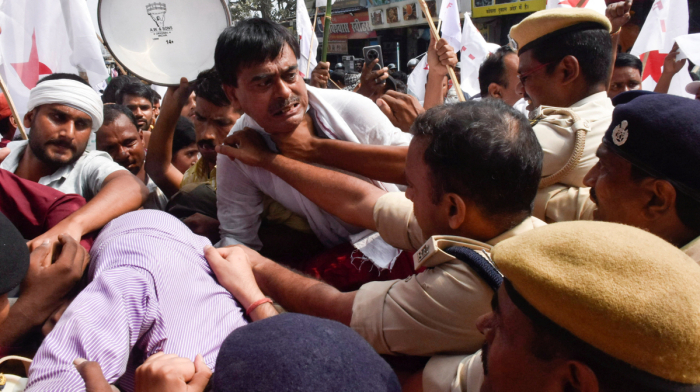
Police in eastern India used tear gas, batons and water cannon on Monday to disperse thousands of young protesters marching on the Jharkhand state legislature over alleged irregularities in civil service examinations.
You can download the AnewZ application from Play Store and the App Store.
What is your opinion on this topic?
Leave the first comment