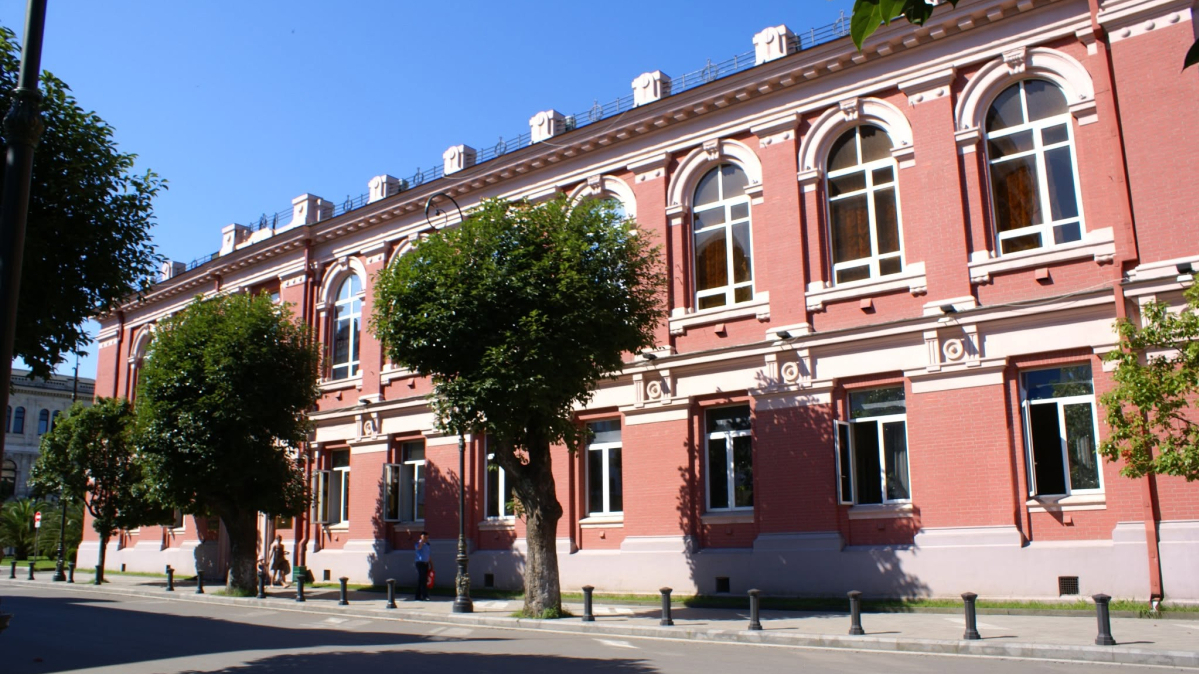
Georgia’s Constitutional Court has extended hearings in a case seeking to ban five opposition parties, with proceedings now set to continue until 30 October. The court in Batumi will resume hearings on Monday, 26 October, after missing its original 23 October deadline.
Court rejects opposition requests
On the third day of proceedings, the court rejected two requests from the For Georgia party: a one-month postponement and the recusal of judge Sergo Metopishvili over alleged bias.
The party’s representative, Berdia Sichinava, argued that the defence had not been given enough time to prepare and questioned the judge’s impartiality. The court dismissed the request for more time, saying a delay was unnecessary and could prolong proceedings.
Sichinava also called for senior figures from the ruling Georgian Dream party, including its founder Bidzina Ivanishvili and Prime Minister Irakli Kobakhidze, to testify over the Chorchana issue. The dispute centres on events involving a Georgian police post near the boundary with South Ossetia.
The court is expected to decide whether to summon the witnesses when hearings resume on Monday. Proceedings are scheduled to continue daily until 30 October.
Five opposition parties face possible ban
The lawsuit, brought by 88 MPs from the ruling Georgian Dream party, seeks to have five opposition parties declared unconstitutional and their activities banned.
The parties named in the case are the United National Movement, Coalition for Change, Strong Georgia–Lelo, the Federalist Party and For Georgia.
Georgian Dream accuses the parties of acting against Georgia’s constitutional order, including allegedly attempting to change it by force and undermining the country’s territorial integrity.
The opposition denies the allegations, calling the lawsuit politically motivated and challenging the legal basis for grouping all five parties into a single case.
Opposition representatives have also criticised the court’s refusal to allow additional evidence and external legal expertise.
International concern grows
The proceedings have raised concerns internationally, with the European Commission warning that the proposed bans could threaten fundamental freedoms, political pluralism and fair political competition.
The Commission says it is closely monitoring the case, while the vice-president of the Organization for Security and Cooperation in Europe (OSCE) Parliamentary Assembly has urged Georgian authorities to withdraw the lawsuit.
Ruling could have wider consequences
No ruling has yet been issued, but the outcome could have far-reaching implications for Georgia’s political opposition and its relations with Western partners.
Read more:















What is your opinion on this topic?
Leave the first comment