Afghan and Russian firms sign $103 million in trade deals in Kabul
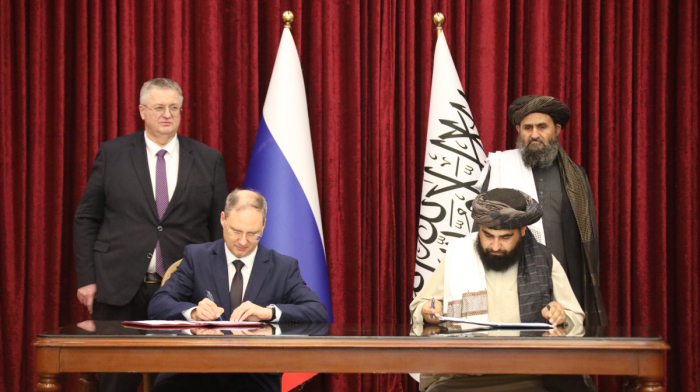
Afghan and Russian businesses signed 15 trade agreements worth $103 million in Kabul on Thursday during a visit by Russian Deputy Prime Minister Al...
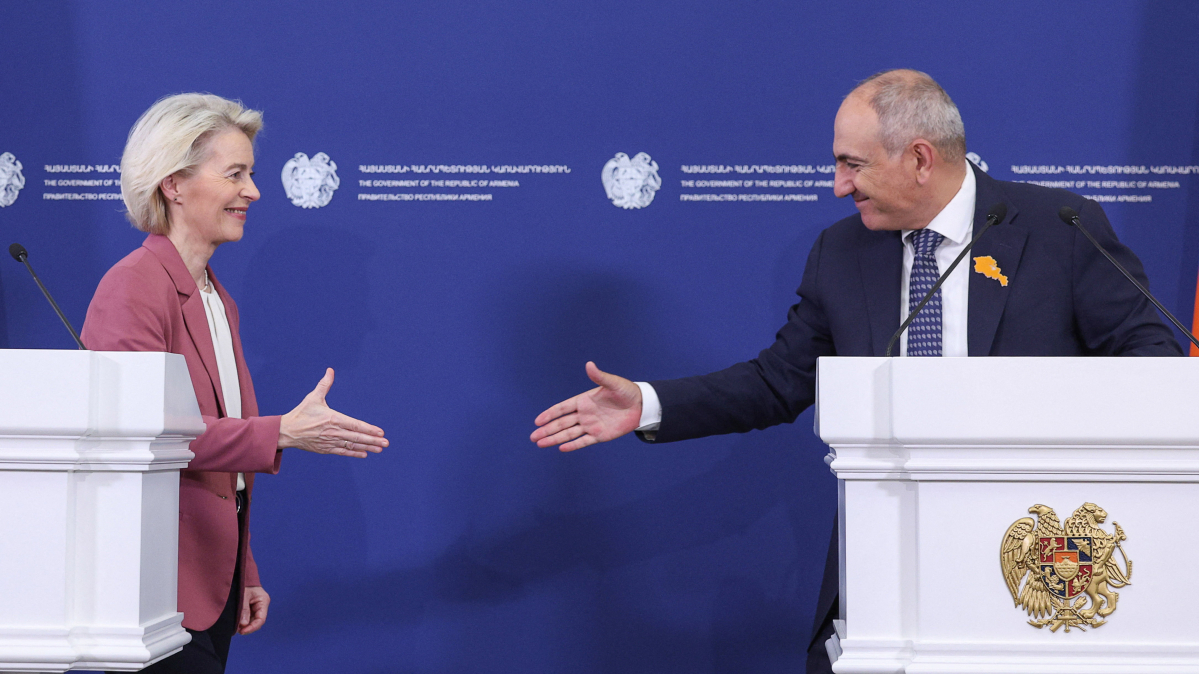
European Union measures suspending import duties on 80 per cent of Armenian exports to the bloc came into effect on Saturday. The temporary liberalisation measures are aimed at supporting Armenian producers and exporters following trade restrictions imposed on the country's products by Russia.
The trade preferences, which will last for two years, cover nearly all exports of fruit, vegetables and flowers affected by the Russian measures, as well as over 91 per cent of exports of beverages and spirits.
In a statement released on Friday, the European Commission said the measures would “support the resilience of Armenia’s economy by facilitating access to the EU market.”
Armenia becomes the only country to receive such trade preferences without being an EU candidate or having a specialised trade agreement with the bloc.
The measures received final approval from the EU’s Competitiveness Council on 24 September.
Armenian Foreign Minister Ararat Mirzoyan said the temporary trade liberalisation was a “powerful token of solidarity… and another milestone,” in relations between Yerevan and Brussels.
Russia is Armenia’s largest trading partner, accounting for around 35 per cent of the country’s trade in 2025. In 2024, Armenia's exports to Russia amounted to $3.14 billion.
Moscow has however introduced a series of escalating restrictions on Armenian products throughout 2026, including mineral water, fruits and vegetables, fish, and dairy products, among other items.
The European Union has implied that Russia’s measures are in response to Yerevan developing closer relations with the bloc.
“No country should be pressured for a sovereign choice,” European Commission President Ursula von der Leyen said in July, announcing a $60 million (€52 million) package of support for the country
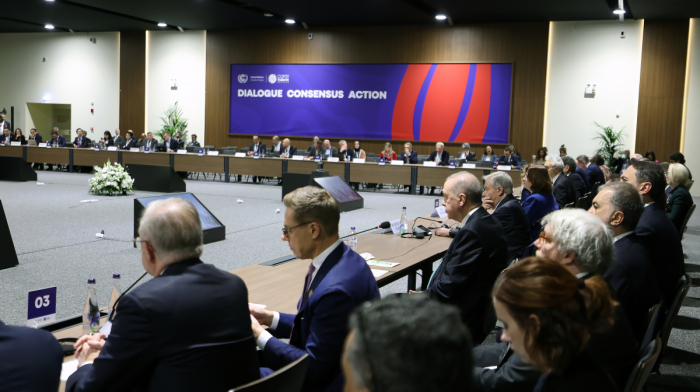
UN Secretary-General António Guterres delivered a stark warning at this year's COP31 summit, saying the climate crisis iss advancing faster than governments' efforts to contain it.
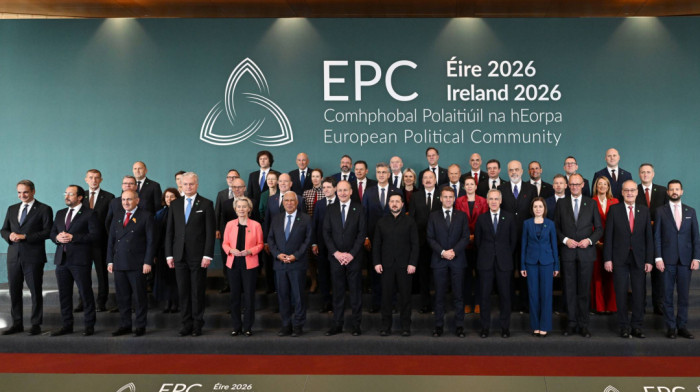
European leaders gathered in Dublin on Thursday, 12 November, for the ninth European Political Community (EPC) summit, with security, defence, energy cooperation and economic resilience topping the agenda. Azerbaijan’s role in regional peace and connectivity was also in focus.
Here's your AnewZ Daily Brief for 11 November. Today, we cover Russia-Ukraine peace talks, political tensions in Washington, strikes in Spain, espionage allegations involving Nvidia's CEO, and climate negotiations at COP31 in Türkiye.
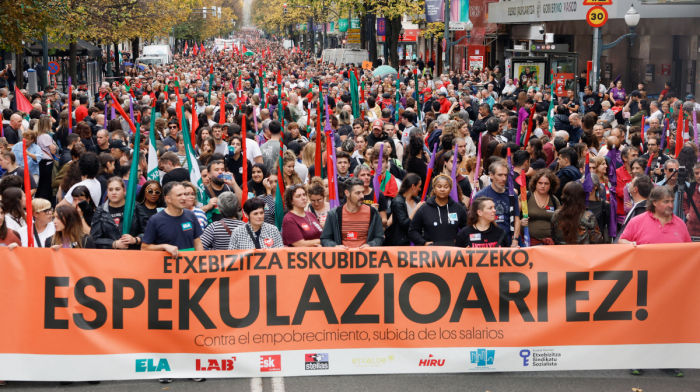
Four million workers across Spain joined a general strike on Wednesday over the country’s deepening housing crisis, unions said, bringing disruption to factories, ports, shops and public transport just weeks before a snap general election.
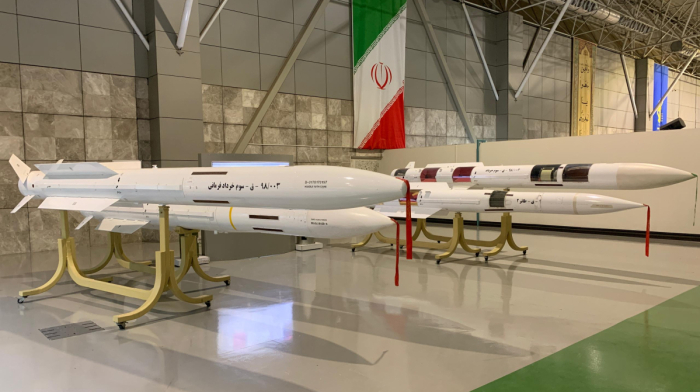
Iran has unveiled a new underground missile and drone base, warning that it will respond forcefully to any attack, as tensions persist with the U.S. and oil tankers continue to be struck by naval mines in the Strait of Hormuz.
Afghan and Russian businesses signed 15 trade agreements worth $103 million in Kabul on Thursday during a visit by Russian Deputy Prime Minister Alexei Overchuk, Afghanistan’s government said.
Rising demand for air cargo and expanding international aviation networks are opening up new trade opportunities for Central Asia and the South Caucasus, as countries invest in airports and strengthen their roles in global supply chains.
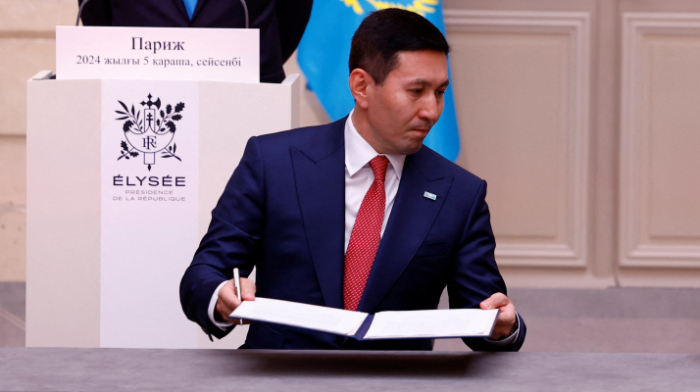
Kazakhstan’s security service has arrested Nurlan Zhakupov, CEO of Samruk-Kazyna, the country’s sovereign wealth fund, on suspicion of corruption. Yelzhas Otynshiyev, Chairman of KTZ, Kazakhstan’s national railway firm has also been detained.
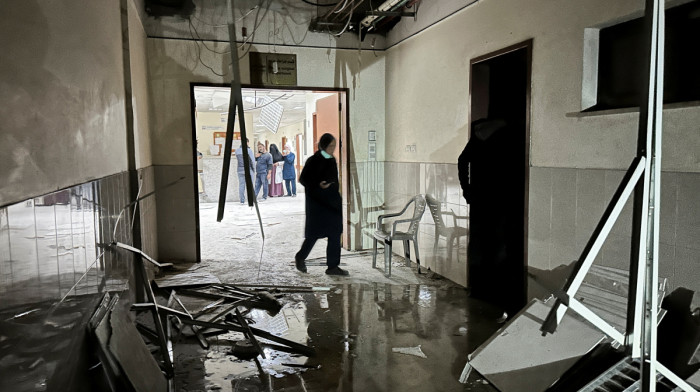
An Israeli airstrike on Nasser Hospital in southern Gaza has killed at least six people, including a surgeon, and wounded 20 others, according to Gaza’s civil defence service.
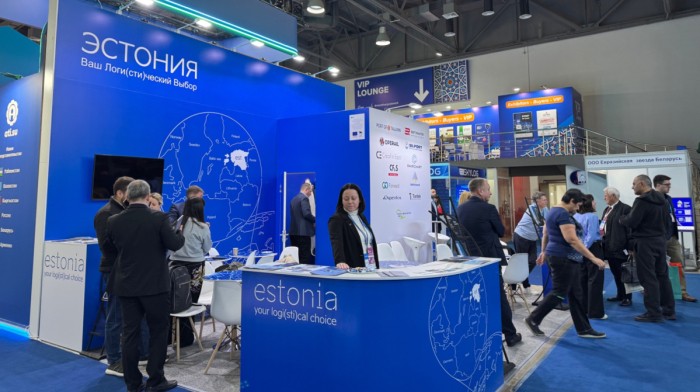
The competitiveness of international trade depends on how efficiently goods move across borders. These issues are in focus at the 22nd International Exhibition of Transport and Logistics – TransLogistica Uzbekistan 2026, taking place in Tashkent, Uzbekistan, from 10 to 12 November.
You can download the AnewZ application from Play Store and the App Store.
What is your opinion on this topic?
Leave the first comment