




15:42 CET
Russia-Ukraine
live Russian strikes kill three, damage dozens of power facilities
Russian strikes killed ...


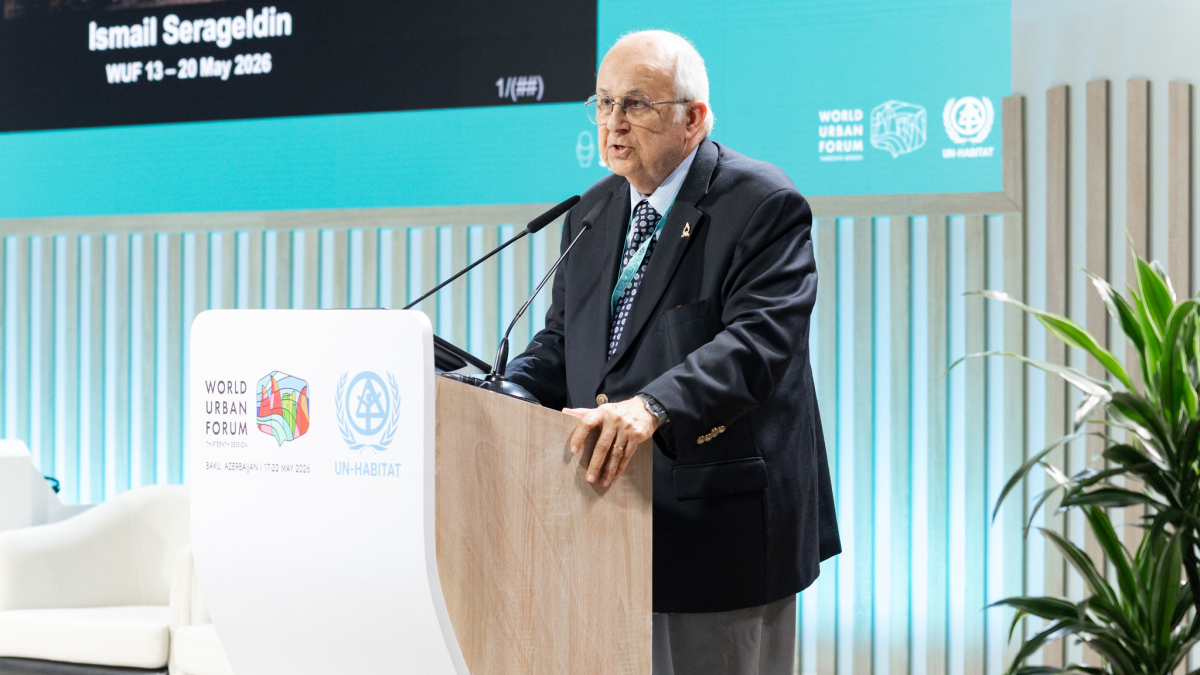
An event titled “Rethinking Cultural Heritage and Inclusive Urban Regeneration” was held on Wednesday (20 May) during WUF13 in Baku, bringing together international officials, urban planners and cultural experts to discuss how heritage preservation can support more inclusive and resilient cities.
The session focused on the role of heritage-led urban regeneration in addressing housing challenges, protecting local identity and improving living conditions without displacing communities.
Participants also examined how historic neighbourhoods can contribute to climate resilience, economic revitalisation and sustainable urban development.
Speaking at the forum, founder of the Bibliotheca Alexandrina, former vice president of the World Bank and cultural expert Ismail Serageldin said policymakers must consider “what, how, and for whom” historical areas are being preserved.
According to him, conservation efforts should not focus solely on individual buildings, but must protect the broader character of cities while taking into account social, economic, environmental and physical dimensions.
He stressed the importance of community participation, investment mobilisation and minimising displacement during regeneration projects.
Morocco’s State Secretary for Housing, Adib Benbrahim, said urban redevelopment must preserve identity and historical value, warning that demolition and reconstruction require careful long-term planning.
“Of course, we sometimes see that historic neighborhoods also face unemployment-related problems. But in any case, we must not forget that cultural heritage is largely about cultural identity and cultural history,” Benbrahim said.
Meanwhile, Mexico City’s Minister of Housing, Inti Muñoz, said regeneration projects should maintain social, cultural and economic balance in order to avoid negative social consequences while strengthening urban resilience.
He noted that, in the process of urban renewal and development, this historical multilayered character is being carefully preserved.
“For visitors coming to Mexico City, this heritage is of great importance and forms a key part of the city’s cultural identity. In recent years, tourist inflows and urban life in Mexico City have increased significantly,” he added.

Speakers repeatedly underlined that regeneration should go beyond physical reconstruction and address wider social issues.
Elisabet Cirici said inclusive regeneration must be rooted in principles of social justice, with housing, employment, access to public services and the protection of vulnerable groups remaining central to planning efforts.
Anaclaudia Rossbach said cultural heritage plays a vital role in shaping the identity of future cities and cannot be separated from sustainable development.
“Cultural development remains impossible without this component; concurrently, sustainable development cannot fully materialize without the preservation of cultural heritage,” she said.
Representing Azerbaijan, Sabina Hajiyeva highlighted the experience of Icherisheher, also known as the Old City of Baku.

She said regeneration should focus on preserving the overall urban fabric rather than isolated structures, noting that Icherisheher remains a living community rather than solely a tourist destination.
According to the session organisers, the forum aimed to demonstrate how heritage-led regeneration can improve housing affordability, strengthen resilience and support climate-responsive urban transformation.
The discussion also explored financing models, partnerships and policy approaches that connect heritage conservation with tourism, housing and local economic development.

Moderated by Nazanine Moshiri, the session formed part of broader discussions at WUF13 on sustainable urban development and inclusive city planning.

Russian strikes killed ...
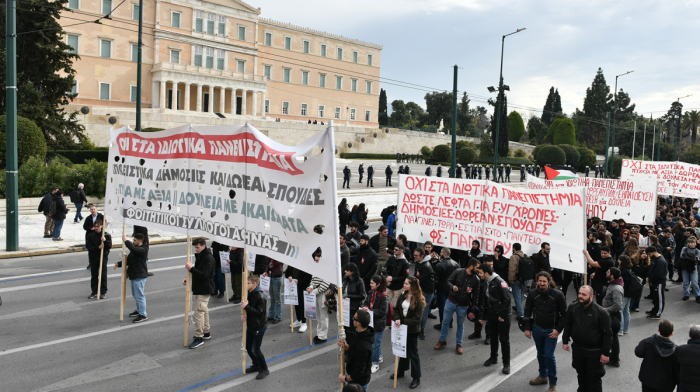
Greek students braved heavy rain to pitch tents outside parliament in Athens on Tuesday, demanding affordable housing and more education funding as...

A former gang leader ...

The Saudi-led coalition in Yemen said late Monday that it intercepted and destroyed two ballistic missiles launched by the Houthi group toward Khamis Mushait in southwestern Saudi Arabia.
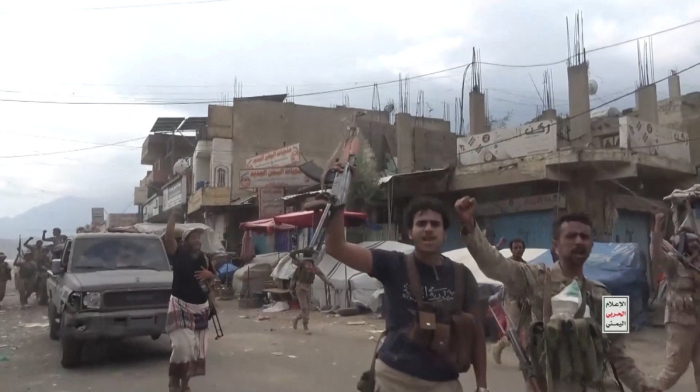
Yemen’s Houthis have claimed responsibility for the recent drone and missile strikes on Saudi Aramco facilities in Dhahran and Riyadh and at King Khalid International Airport in Saudi Arabia, vowing to carry out more attacks in the coming days.

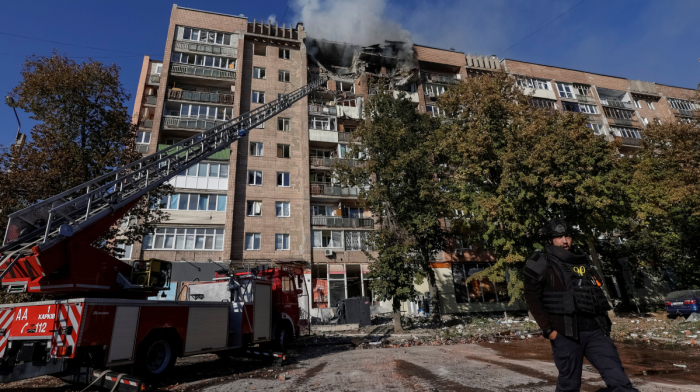
Ukrainian President Volodymyr Zelenskyy says Russia hit at least six energy targets in deadly strikes across Ukraine, showing Moscow is unwilling to accept the energy ceasefire announced by U.S. President Donald Trump.
The Kremlin on Monday rejected a 60-day ceasefire idea proposed by Ukrainian President Volodymyr Zelenskyy to allow his country to hold presidential elections, saying it wanted an overall peace deal instead.

Thousands of young Georgians leave the country each year in search of better economic opportunities, with many moving west. As questions grow over Georgia’s European path, AnewZ spoke to people who have emigrated about what it would take for them to return.
Yemen’s Houthis have claimed responsibility for the recent drone and missile strikes on Saudi Aramco facilities in Dhahran and Riyadh and at King Khalid International Airport in Saudi Arabia, vowing to carry out more attacks in the coming days.
The Saudi-led coalition in Yemen said late Monday that it intercepted and destroyed two ballistic missiles launched by the Houthi group toward Khamis Mushait in southwestern Saudi Arabia.
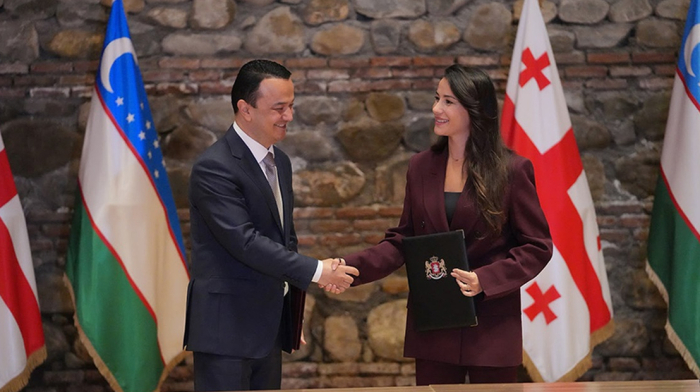
Georgia and Uzbekistan are aiming to nearly quadruple annual trade to $1 billion, up from $267.6 million in 2025, as the two countries seek to strengthen economic ties and expand transport links.

Iran has warned against the military use of Starlink, saying it has developed domestic technology capable of countering cyber threats linked to the satellite internet service.
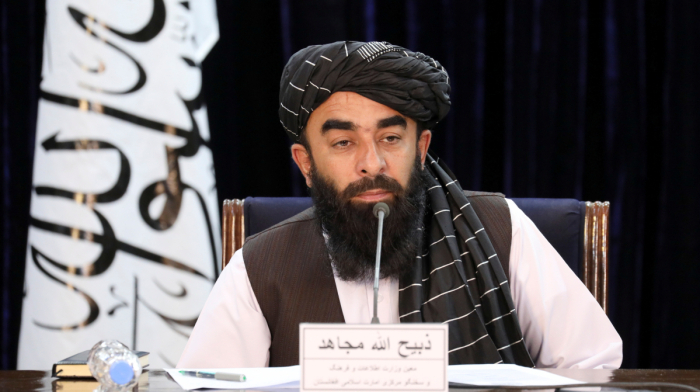
Afghanistan has accused Pakistan of blaming Kabul for its domestic political and security problems, as Islamabad repeated claims that militants are using Afghan territory to launch attacks across the border.
You can download the AnewZ application from Play Store and the App Store.




What is your opinion on this topic?
Leave the first comment