



15:42 CET
Russia-Ukraine
live Russian strikes kill three, damage dozens of power facilities
Russian strikes killed ...


The thirteenth session of the World Urban Forum (WUF13) has opened in Baku, bringing together governments, international organisations, city leaders and civil society to address mounting global urban challenges.
Held under the theme “Housing the World: Safe and Resilient Cities and Communities,” the forum is jointly organised by the United Nations Human Settlements Programme (UN-Habitat) and the Government of Azerbaijan.
According to organisers, more than 21,000 participants from 162 countries attended the opening day, making it the largest World Urban Forum in the event’s history.
WUF13 comes at a critical moment for global cities, as housing shortages, rapid urbanisation, climate pressures and inequality continue to intensify worldwide.
U.N. data presented during the opening session highlighted the scale of the challenge: nearly three billion people are living in inadequate housing conditions, more than one billion reside in informal settlements and slums, and more than 300 million people face homelessness.
In a recorded address, the speaker stressed the need to place housing at the heart of sustainable development efforts.
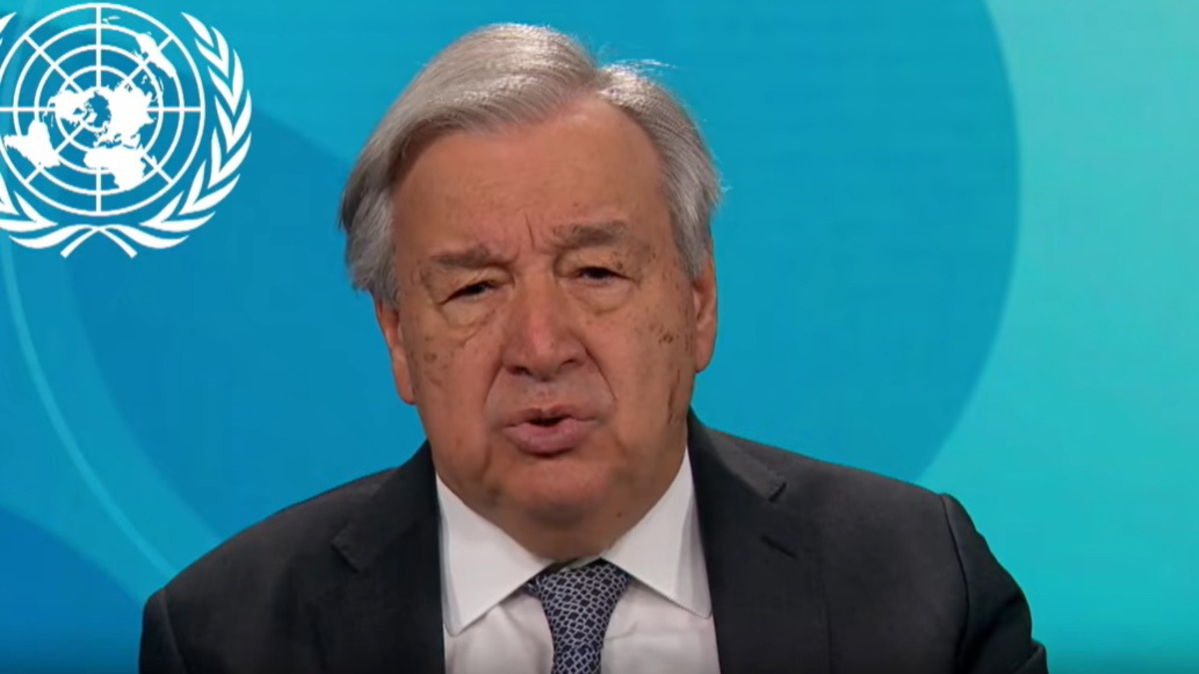
“Now is the time to put housing at the centre of sustainable development by expanding access to housing that is adequate, safe and affordable, transforming informal settlements and slums, and addressing inequalities that inflame social tensions,” he said.
“Housing is a human right, and fundamental for human dignity. Let this World Urban Forum be a catalyst to make it a shared reality.”
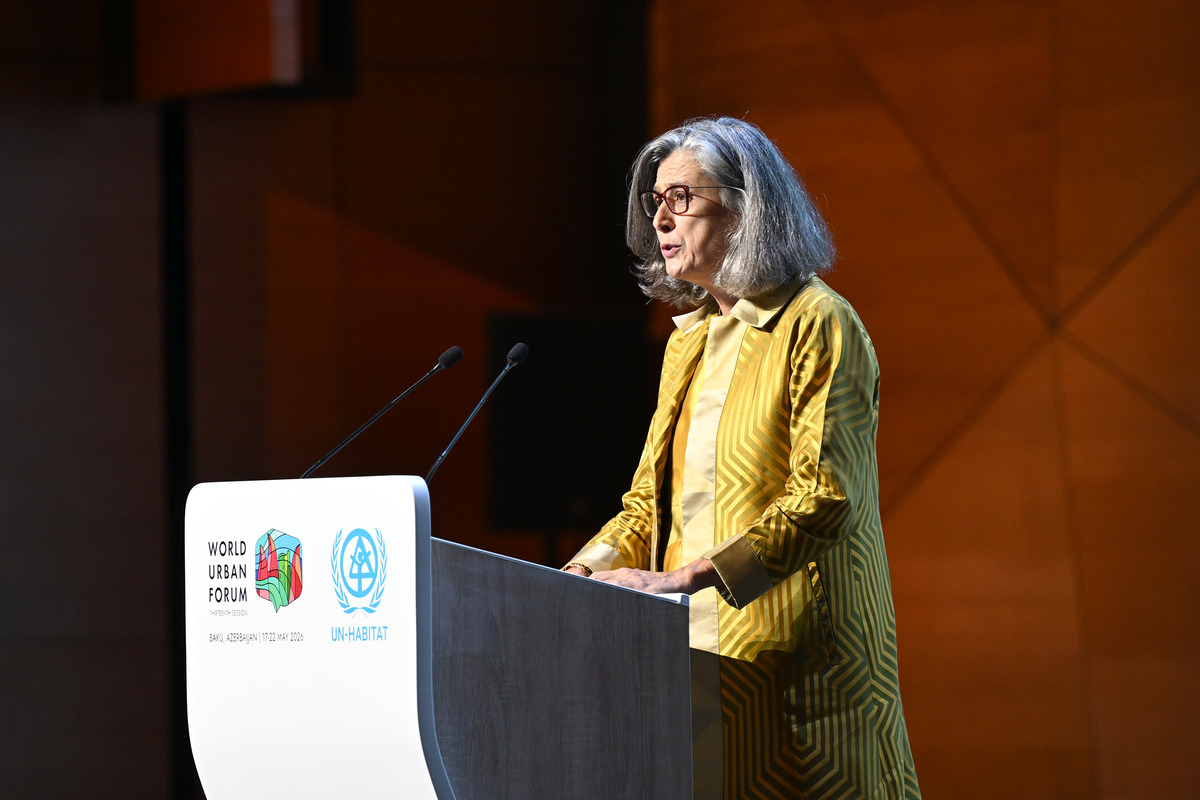
Opening the forum, Executive Director of UN-Habitat Anacláudia Rossbach said housing policy must become a central global priority.
“The midterm review of the New Urban Agenda has confirmed both the urgency of today’s urban challenges and the enduring value of the commitments made in Quito,” she said.
Rossbach described WUF13 as an opportunity to accelerate implementation through “practical action, partnerships and investment.”
The forum is expected to focus on integrated urban solutions linking housing with land management, infrastructure, transport, climate resilience, basic services and economic opportunity.
President of the UN-Habitat Assembly Nga Kor Ming urged global leaders to place stronger emphasis on urban development challenges, citing the need for coordinated action to address the pressures facing rapidly growing cities.
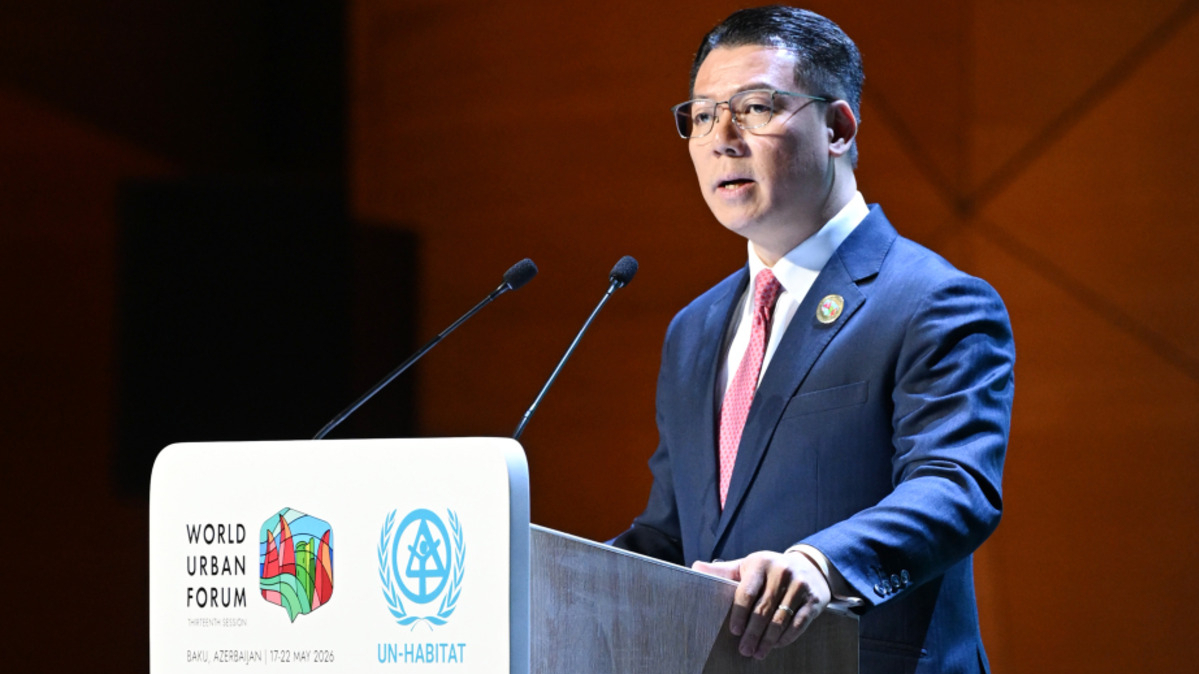
He stressed that sustainable urbanisation requires stronger political commitment, improved governance and closer international cooperation to ensure cities remain inclusive, resilient and livable for all.
Hosting WUF13 in Baku reflects Azerbaijan’s growing role in international discussions on sustainable urban development and urban diplomacy.
In his opening remarks, President of Azerbaijan Ilham Aliyev highlighted the country’s urban transformation efforts, pointing to Baku’s evolution from one of the world’s earliest oil-producing cities into a modern urban centre. He also referenced the White City project as a model for contemporary urban development.
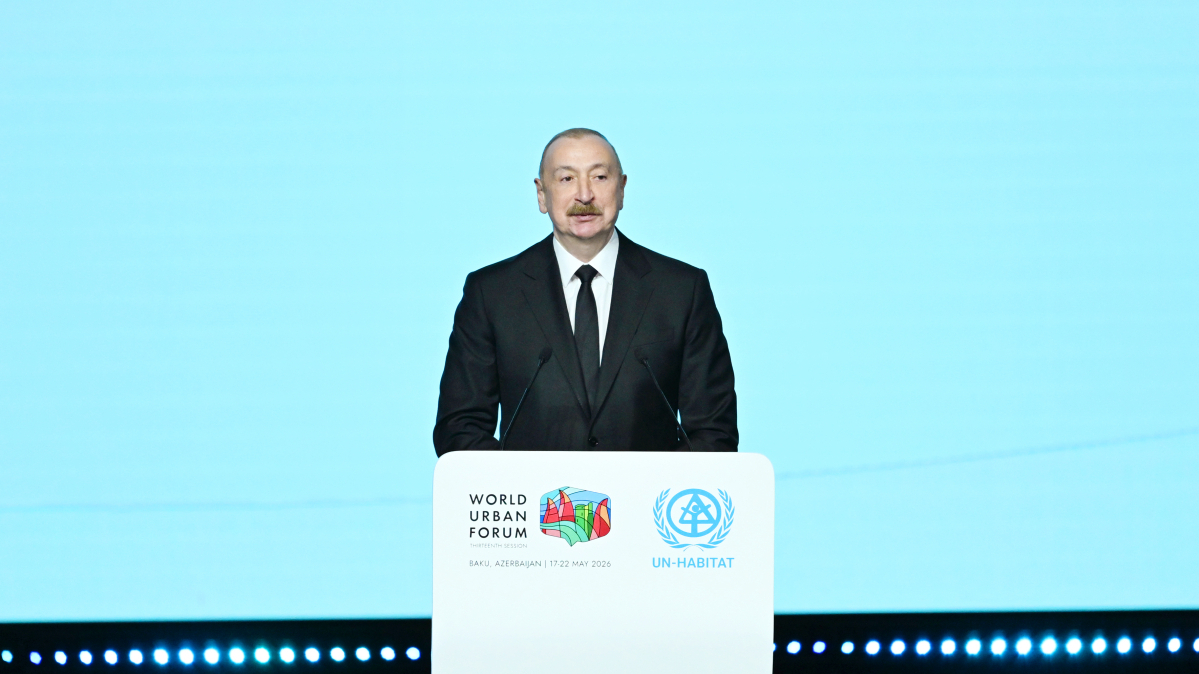
In a separate recorded message, President of the United Nations General Assembly Annalena Baerbock said the forum comes at a decisive moment for the future of global urbanisation.
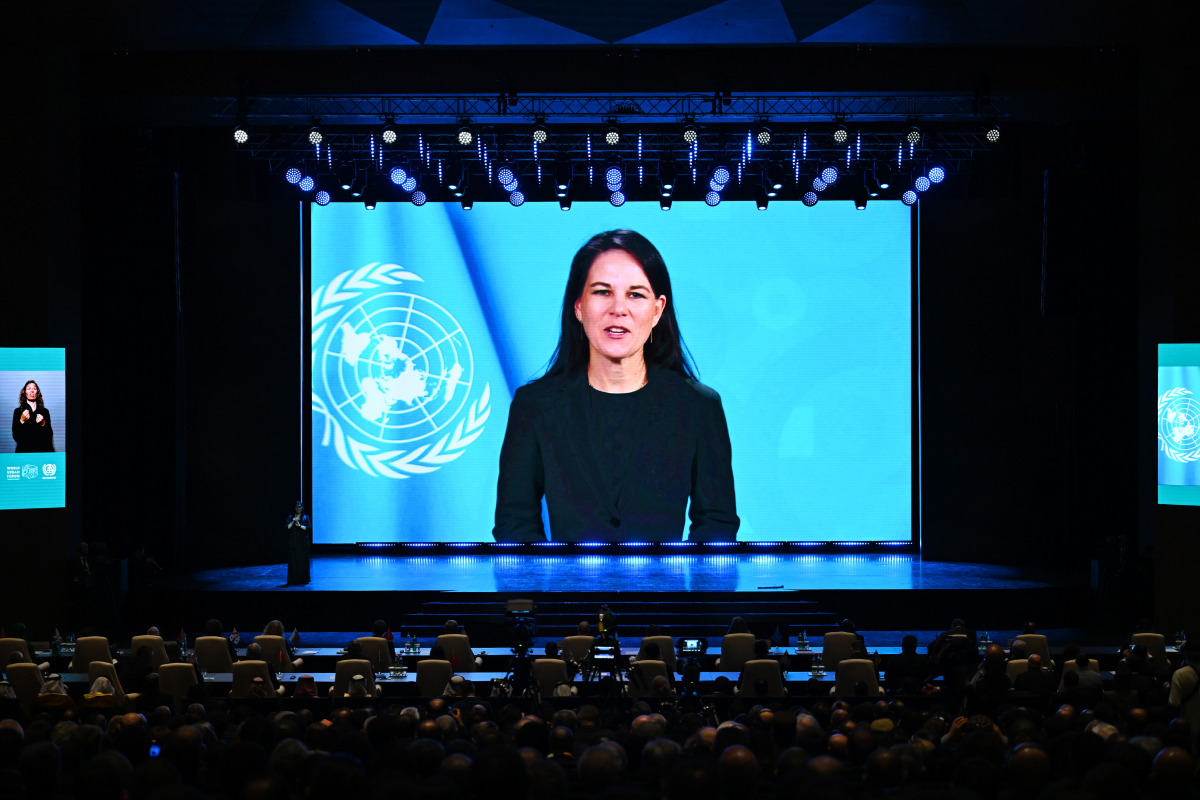
“WUF13 provides an opportunity to strengthen action on the housing crisis while connecting that work to the broader challenge of sustainable urbanisation,” she said.
“The New Urban Agenda remains our shared blueprint. Its emphasis on inclusive, safe, resilient and sustainable cities is as relevant today as it was when it was adopted 10 years ago.”
The opening ceremony brought together heads of state, ministers, mayors and senior international officials, underscoring growing political momentum around sustainable cities and housing policy.
Participants from Asia accounted for 89.7% of registrations, followed by Africa at 5.6%, Europe at 3.4%, the Americas at 1.1% and Oceania at 0.1%.
Organisers also highlighted efforts towards gender balance, with women representing 56% of invited speakers and men 44%.
The WUF13 programme includes six high-level dialogues, more than 370 partner-led events and a large-scale Urban Expo featuring more than 130 exhibitors showcasing innovations in housing, climate resilience and sustainable urban technology.
Among the new initiatives introduced this year are the Practices Hub, the WUF Academy and the Business & Innovation Hub, which includes a Startup Pavilion designed to support scalable urban solutions and capacity-building.
The forum will also feature the launch of UN-Habitat’s flagship World Cities Report, examining the current state and future of global housing.
Organisers say WUF13 is intended not only as a platform for discussion, but also as a mechanism for advancing practical cooperation and partnerships.
The forum places particular emphasis on empowering local governments and communities, recognising that many innovative responses to climate change, housing shortages and rapid urbanisation are already emerging at city level.
WUF13 will conclude with the adoption of the Baku Call to Action, outlining shared commitments aimed at accelerating progress towards inclusive, resilient and sustainable cities and communities worldwide.

Russian strikes killed ...

Greek students braved heavy rain to pitch tents outside parliament in Athens on Tuesday, demanding affordable housing and more education funding as...
A former gang leader ...

The Saudi-led coalition in Yemen said late Monday that it intercepted and destroyed two ballistic missiles launched by the Houthi group toward Khamis Mushait in southwestern Saudi Arabia.
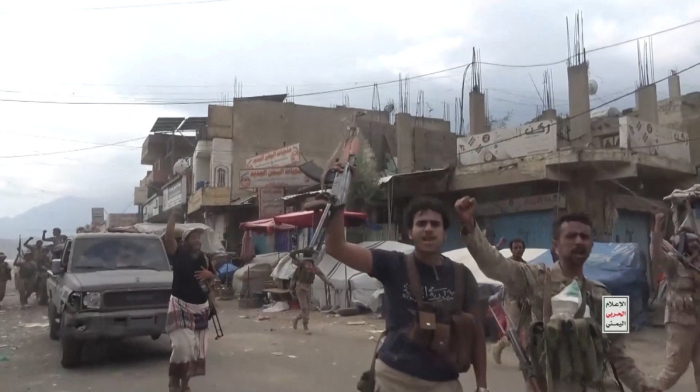
Yemen’s Houthis have claimed responsibility for the recent drone and missile strikes on Saudi Aramco facilities in Dhahran and Riyadh and at King Khalid International Airport in Saudi Arabia, vowing to carry out more attacks in the coming days.
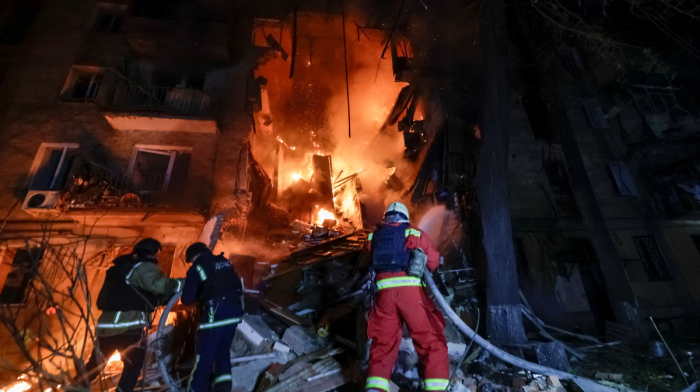
Ukrainian President Volodymyr Zelenskyy says Russia hit at least six energy targets in deadly strikes across Ukraine, showing Moscow is unwilling to accept the energy ceasefire announced by U.S. President Donald Trump.
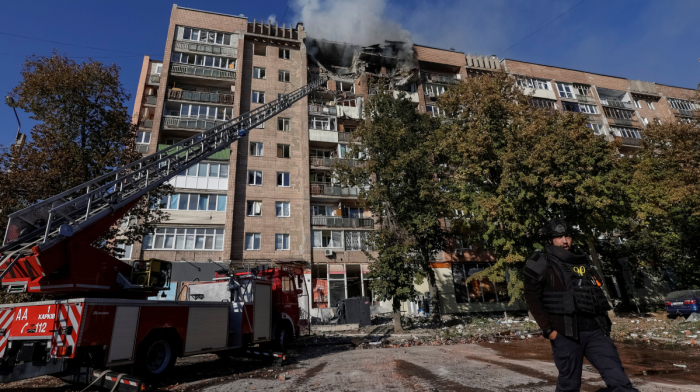
The Kremlin on Monday rejected a 60-day ceasefire idea proposed by Ukrainian President Volodymyr Zelenskyy to allow his country to hold presidential elections, saying it wanted an overall peace deal instead.
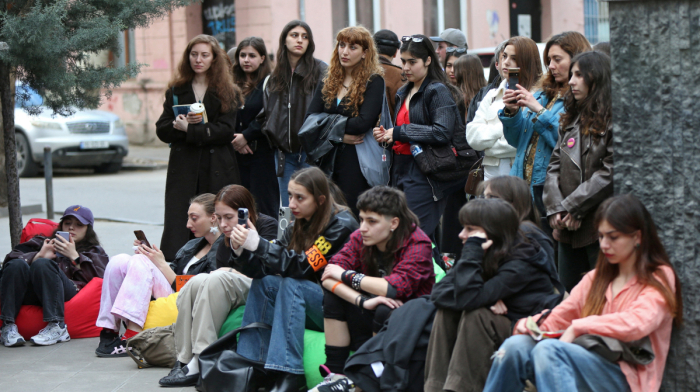
Thousands of young Georgians leave the country each year in search of better economic opportunities, with many moving west. As questions grow over Georgia’s European path, AnewZ spoke to people who have emigrated about what it would take for them to return.
Yemen’s Houthis have claimed responsibility for the recent drone and missile strikes on Saudi Aramco facilities in Dhahran and Riyadh and at King Khalid International Airport in Saudi Arabia, vowing to carry out more attacks in the coming days.
The Saudi-led coalition in Yemen said late Monday that it intercepted and destroyed two ballistic missiles launched by the Houthi group toward Khamis Mushait in southwestern Saudi Arabia.
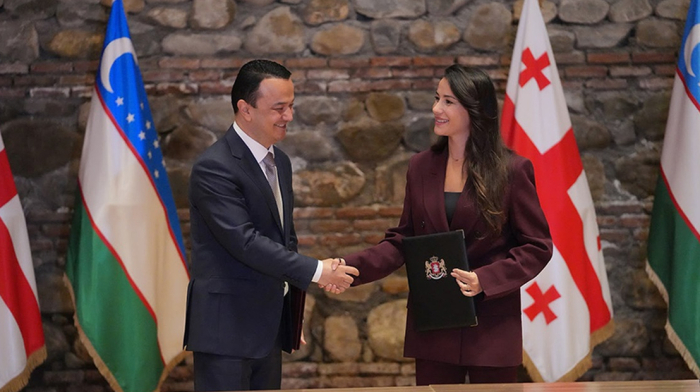
Georgia and Uzbekistan are aiming to nearly quadruple annual trade to $1 billion, up from $267.6 million in 2025, as the two countries seek to strengthen economic ties and expand transport links.

Iran has warned against the military use of Starlink, saying it has developed domestic technology capable of countering cyber threats linked to the satellite internet service.
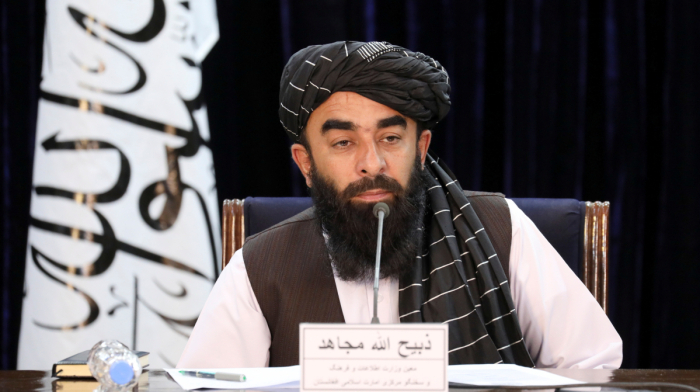
Afghanistan has accused Pakistan of blaming Kabul for its domestic political and security problems, as Islamabad repeated claims that militants are using Afghan territory to launch attacks across the border.
You can download the AnewZ application from Play Store and the App Store.




What is your opinion on this topic?
Leave the first comment