



15:42 CET
Russia-Ukraine
live Russian strikes kill three, damage dozens of power facilities
Russian strikes killed ...
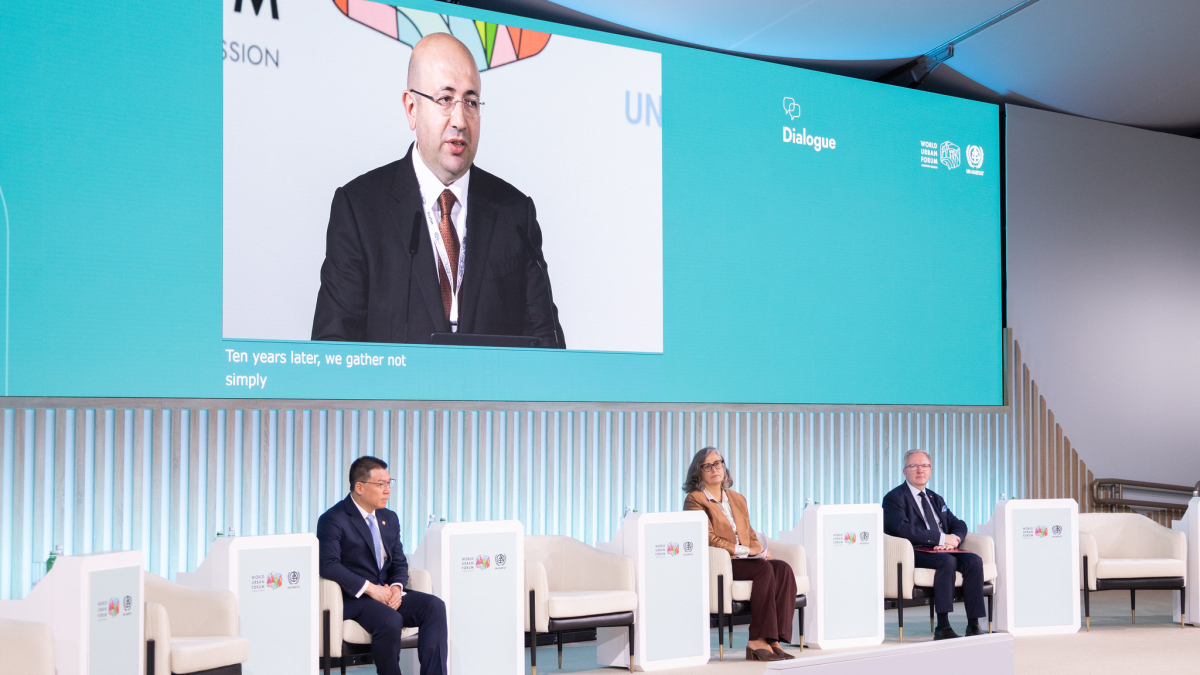


The 13th Session of the World Urban Forum (WUF13) opened in Baku with ministers, UN officials and urban policy leaders. Participants call for action on housing, sustainable development and resilient cities, as rapid urbanisation is placing pressure on infrastructure, services and living conditions.
The forum, organised by the United Nations Human Settlements Programme, brought together senior officials from across Europe, Asia, Africa and the Middle East to assess progress on the New Urban Agenda and outline priorities for the next phase of global urban development.
Opening the ministerial meeting, Anacláudia Rossbach thanked Azerbaijan for hosting the forum and stressed the significance of the current moment for global urban policy.
“I would like to extend my heartfelt gratitude to the government of Azerbaijan for organising this important Ministerial Meeting on the New Urban Agenda at the opening day of World Urban Forum 13,” she said.
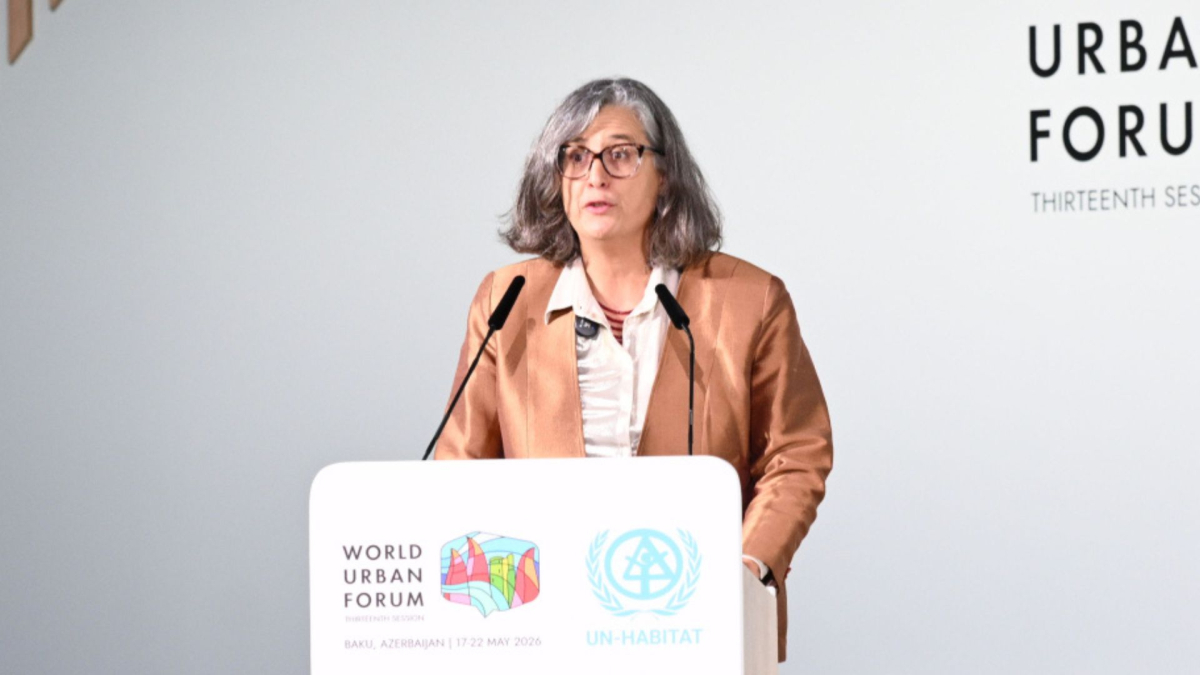
She added that 2026 is not only a moment to review progress, but also a decisive point for shaping the future direction of urban development globally.
Speaking to journalists, Anar Guliyev announced the creation of a new “Baku Urban Award,” which will be presented at future World Urban Forums to recognise innovation in urban planning.
“Starting from this year, a new award titled the ‘Baku Urban Award’ is being established,” he said, adding that ceremonies will be held within the framework of future forums.
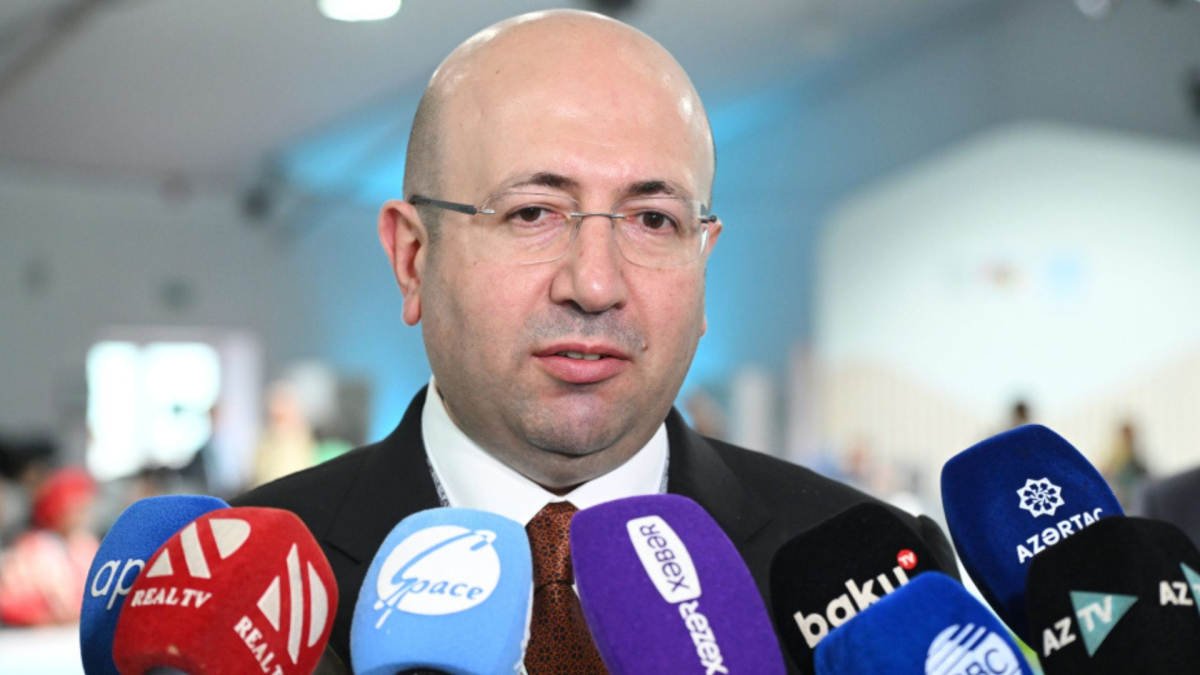
He also said the ministerial meeting is being held in a new, more interactive format, with additional platforms for discussion introduced this year.
Guliyev emphasised that housing is central to global urban challenges, stating that “housing is not merely a social issue, but also a climate, economic, and development issue, as well as a matter of human dignity.”
He added that urbanisation requires integrated solutions, noting that “these interrelated realities require integrated solutions,” including land use, infrastructure, mobility and social cohesion.
Malaysia’s Minister of Housing and Local Government and President of the UN-Habitat Assembly Nga Kor Ming said rapid urban growth is creating significant national challenges.
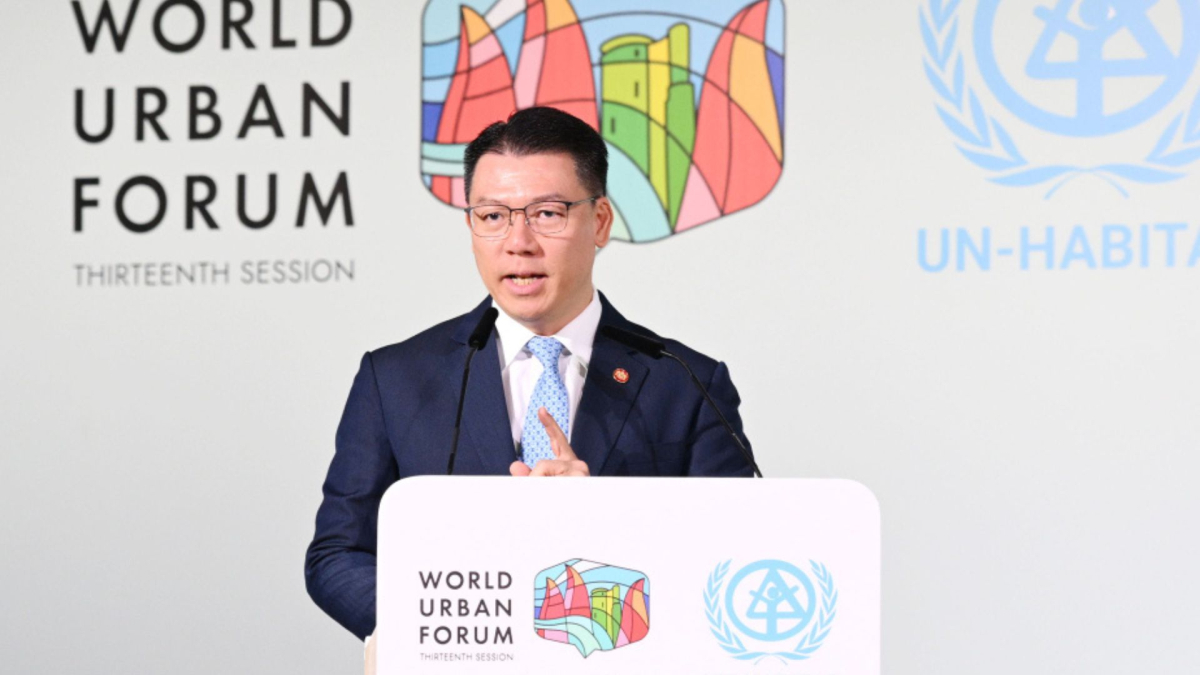
“Sustainable urban development is not merely a policy direction for Malaysia, but a national necessity,” he said, adding that over 75% of the population now lives in cities.
He warned that urbanisation is driving major challenges, including “housing affordability, climate change, and social inclusion.”
Other delegations echoed similar concerns. Angola’s minister said rapid migration is putting pressure on housing and sanitation systems, while Congo’s urban authorities highlighted severe housing shortages driven by fast-growing cities.
The Permanent Representative of Poland to the UN Krzysztof Szczerski emphasised that cities must evolve into spaces that ensure opportunity and resilience.
“The World City Forum is a unique platform that brings together all stakeholders to discuss practical experiences, best practices, and challenges in developing resilient cities,” he said.
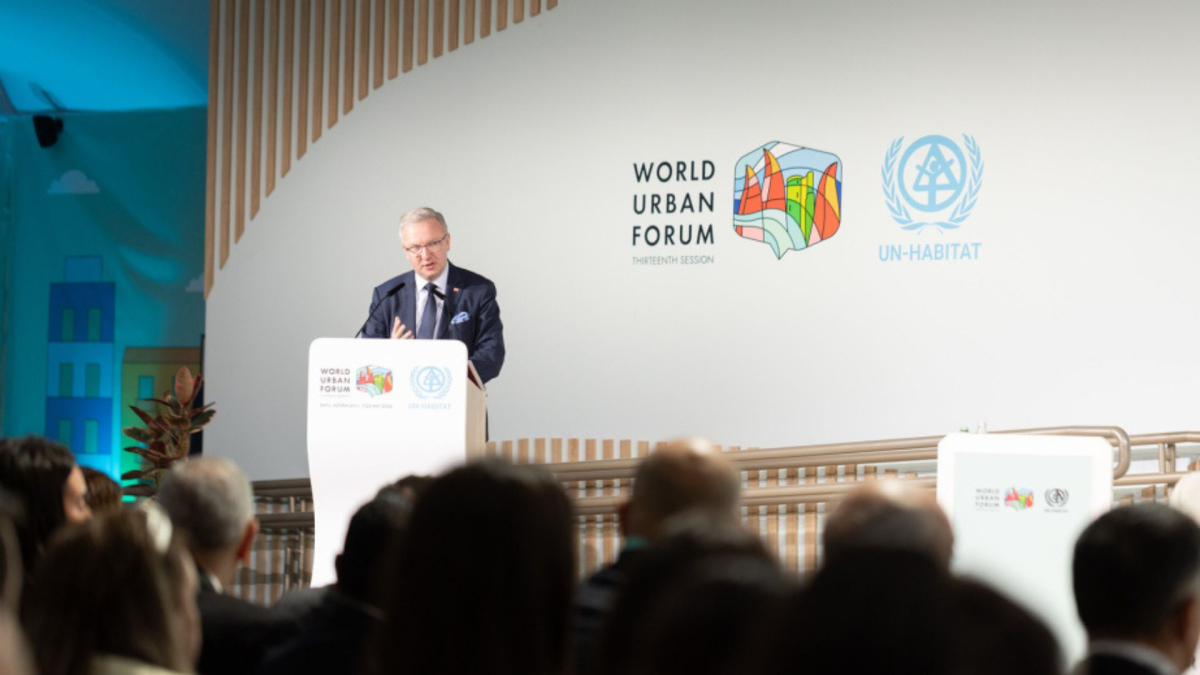
He added that “the implementation of the New City Agenda depends not only on global commitments, but also on local measures,” stressing the importance of cooperation between governments, civil society and international organisations.
UN Under-Secretary-General for Policy Guy Ryder said the coming decade will be decisive for urban policy implementation, calling for stronger coordination between different levels of governance.
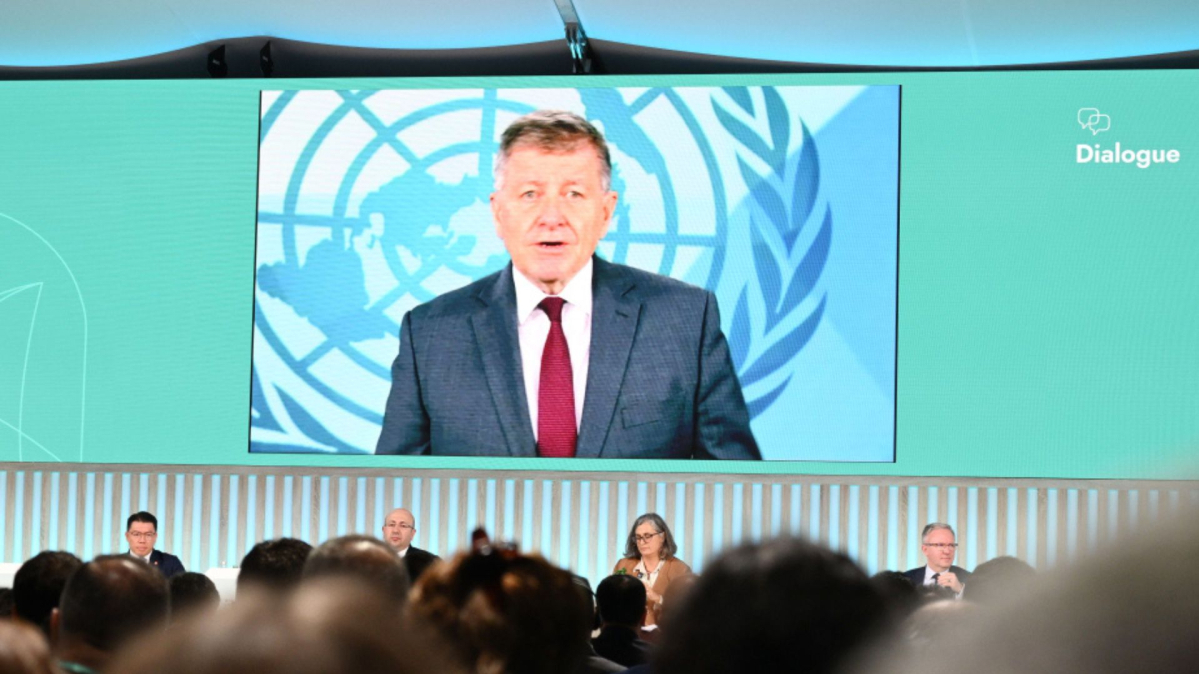
Delegates from Lithuania, Cambodia, Iran, Poland, Gambia and others highlighted common pressures linked to rapid urbanisation, climate change and infrastructure strain.
Lithuania emphasized housing efficiency and energy savings, Cambodia pointed to post-conflict infrastructure development, while Iran stressed resilience, urban renewal and climate adaptation.
Several participants also underscored the importance of international cooperation and knowledge-sharing through platforms like WUF13.
As discussions continue in Baku, WUF13 is emerging as a key platform for evaluating global progress on the New Urban Agenda and reinforcing cooperation on sustainable urban development.
With housing shortages, infrastructure stress and climate risks intensifying worldwide, the forum reflects a growing consensus that the future of sustainable development will be shaped in cities.

Russian strikes killed ...

Greek students braved heavy rain to pitch tents outside parliament in Athens on Tuesday, demanding affordable housing and more education funding as...

A former gang leader ...

The Saudi-led coalition in Yemen said late Monday that it intercepted and destroyed two ballistic missiles launched by the Houthi group toward Khamis Mushait in southwestern Saudi Arabia.
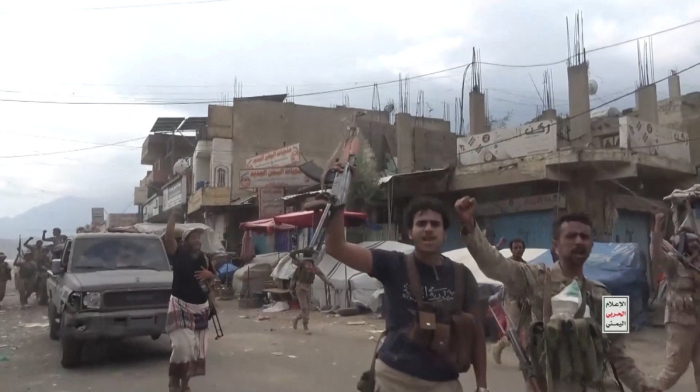
Yemen’s Houthis have claimed responsibility for the recent drone and missile strikes on Saudi Aramco facilities in Dhahran and Riyadh and at King Khalid International Airport in Saudi Arabia, vowing to carry out more attacks in the coming days.
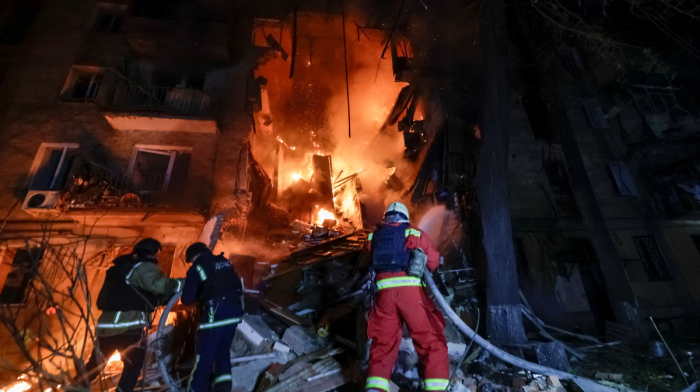
Ukrainian President Volodymyr Zelenskyy says Russia hit at least six energy targets in deadly strikes across Ukraine, showing Moscow is unwilling to accept the energy ceasefire announced by U.S. President Donald Trump.
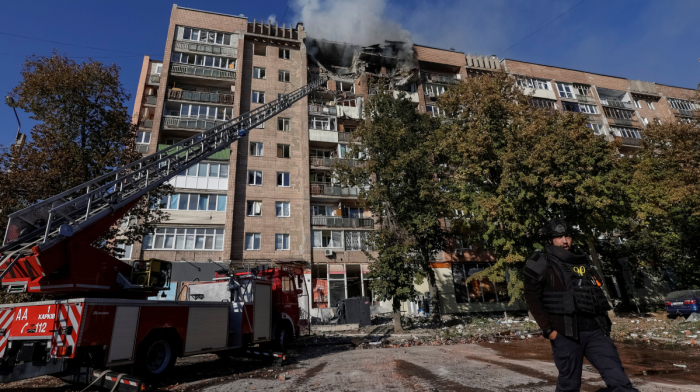
The Kremlin on Monday rejected a 60-day ceasefire idea proposed by Ukrainian President Volodymyr Zelenskyy to allow his country to hold presidential elections, saying it wanted an overall peace deal instead.

Thousands of young Georgians leave the country each year in search of better economic opportunities, with many moving west. As questions grow over Georgia’s European path, AnewZ spoke to people who have emigrated about what it would take for them to return.
Yemen’s Houthis have claimed responsibility for the recent drone and missile strikes on Saudi Aramco facilities in Dhahran and Riyadh and at King Khalid International Airport in Saudi Arabia, vowing to carry out more attacks in the coming days.
The Saudi-led coalition in Yemen said late Monday that it intercepted and destroyed two ballistic missiles launched by the Houthi group toward Khamis Mushait in southwestern Saudi Arabia.
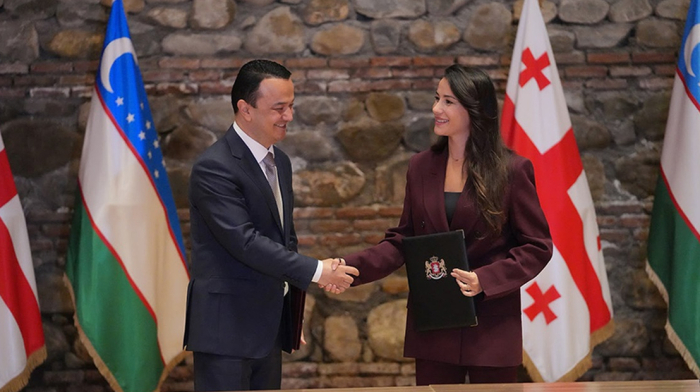
Georgia and Uzbekistan are aiming to nearly quadruple annual trade to $1 billion, up from $267.6 million in 2025, as the two countries seek to strengthen economic ties and expand transport links.

Iran has warned against the military use of Starlink, saying it has developed domestic technology capable of countering cyber threats linked to the satellite internet service.
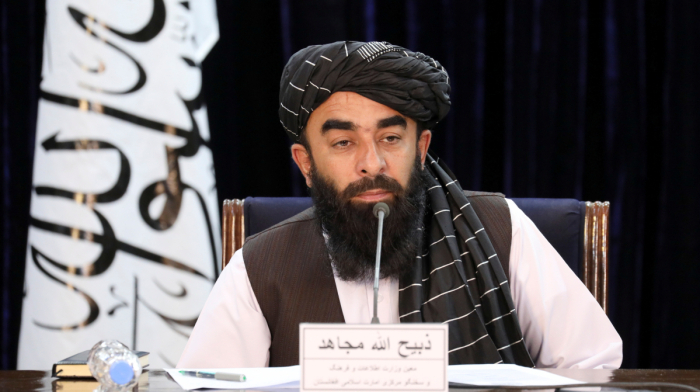
Afghanistan has accused Pakistan of blaming Kabul for its domestic political and security problems, as Islamabad repeated claims that militants are using Afghan territory to launch attacks across the border.
You can download the AnewZ application from Play Store and the App Store.




What is your opinion on this topic?
Leave the first comment