Meloni warns Hormuz shipping curbs threaten global trade
Italian Prime Minister Giorgia Meloni said on Thursday (9 April) that restoring freedom of navigation in the Strait of Hormuz is a vital interest f...
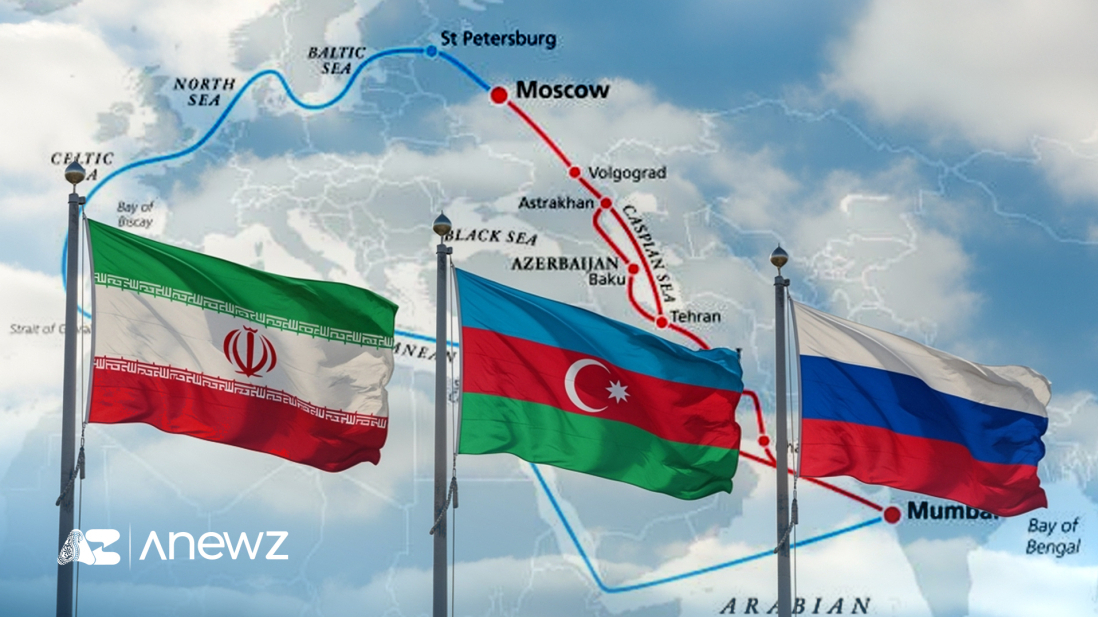
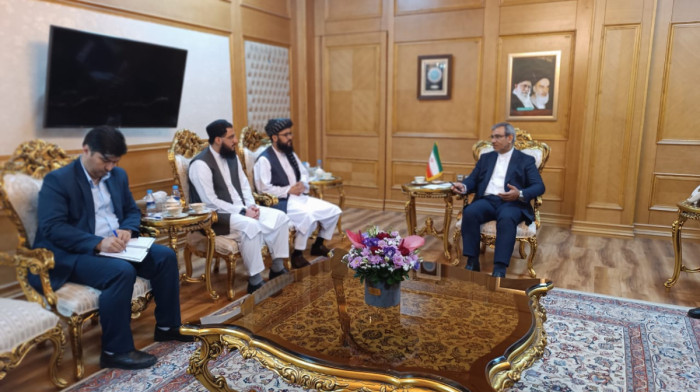
The Iranian Minister of Road and Urban Development Farzaneh Sadegh is scheduled to visit Baku next week to take part in the tri-lateral meeting between Azerbaijan, Iran and Russia to exchange views on the development of the International North–South Transport Corridor (INSTC).
“The Baku meeting will discuss the projects related to the completion of the North-South Corridor,” the Director of International Relations Center of the Ministry of Road of Urban Development Amin Tarrafo said.
It is going to discuss increasing the transport capacity of the corridor, accelerating the movement of the trucks, and simplifying and streamlining the customs procedures, ILNA news agency quoted him saying.
“Another major item on the agenda of the upcoming Baku meeting is the energy corridor as Azerbaijan, Iran and Russia plan to connect their energy networks,” he added.
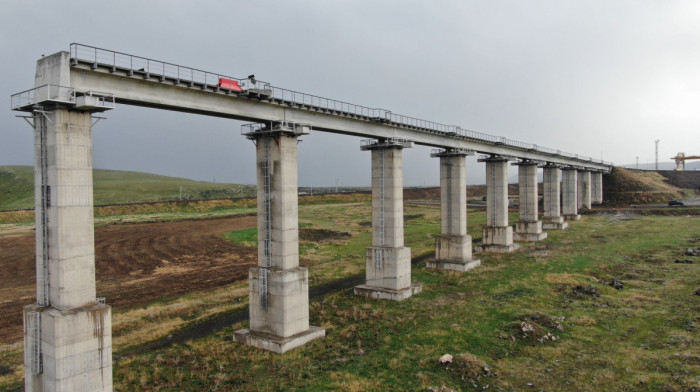
The INSTC is a 7,200-km long multi-mode route of road, rail and ship for moving freight between Azerbaijan, Central Asia, Europe, India, Iran, and Russia and increases connectivity between Mumbai, Bandar Abbas, Bandar Anzali, Baku, Astarakhan and Moscow.
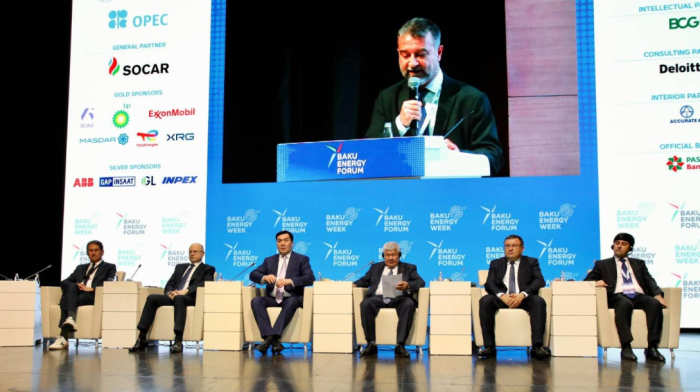
Local news media in Azerbaijan quoted the Cabinet of Ministers who said the two-day meeting which opens next Monday will focus on strengthening cooperation in the fields of transport and logistics, energy, and customs.
The delegations will be led by Deputy Prime Minister of Azerbaijan Shahin Mustafayev, Iranian Minister of Transport and Urban Planning Farzaneh Sadegh, and Deputy Prime Minister of Russia Alexey Overchuk.
Iran's Sadegh and Azerbaijan's Mustafayev last met in Tehran in September. They both co-chair the Azerbaijan-Iran Joint Economic Cooperation.
The Iranian President Masoud Pezeshkian said that Tehran is interested in expanding its relations with Baku in all political, economic, and cultural fields. He made the comment during a meeting with the deputy premier of Azerbaijan last month.
He stated that there was “no obstacle in the path of developing interactions and cooperation” between the two countries adding that Iran wants enhanced relations with the neighbouring and Islamic countries
President Pezeshkian also came to Baku on a state visit back in April where Mustafayev said that President Aliyev had asked him to emphasise on the agenda, the serious and diligent implantation of agreements that were reached during that visit.
China and Russia vetoed a United Nations Security Council resolution on Tuesday aimed at coordinating defensive efforts to protect commercial shipping in the Strait of Hormuz, leaving no agreed international framework for securing the vital route.
Lebanon’s Hezbollah said it had stopped firing on northern Israel and Israeli forces on Wednesday as part of a two-week ceasefire in the Middle East brokered between the United States and Iran. However, a Hezbollah lawmaker warned that the pause could collapse if Tel Aviv does not adhere to it.
Pakistan’s Prime Minister Shehbaz Sharif said Iran and the United States, along with their allies, have agreed to an immediate two-week ceasefire covering all areas, but Israel says the deal excludes Lebanon. Tel Aviv says the U.S. is committed to achieving shared goals in upcoming negotiations.
Construction has begun on a major new solar power project in Xizang, as China continues to expand its renewable energy capacity and push towards a greener future.
U.S. Vice-President J.D. Vance began a visit to Budapest on Tuesday by praising Prime Minister Viktor Orbán, who faces a closely contested parliamentary election on Sunday.
Italian Prime Minister Giorgia Meloni said on Thursday (9 April) that restoring freedom of navigation in the Strait of Hormuz is a vital interest for both Italy and the European Union, pledging coordination with international partners to ensure safe passage.
Kazakhstan says oil exports via the Caspian Pipeline Consortium (CPC) remain stable after drone strikes on facilities near Novorossiysk, despite damage to key infrastructure and rising risks to a major export route.
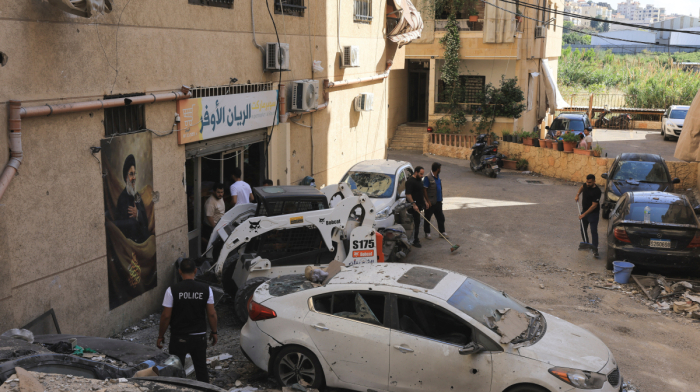
Israel launched its heaviest strikes on Lebanon since hostilities escalated last month, killing over 100 people, even as Hezbollah halted attacks under a disputed U.S.-Iran ceasefire.
Turkish President Recep Tayyip Erdoğan has said Türkiye aims to rank among the world’s top ten exporters of defence technology within the next two years.
As global attention centres on the conflict between Iran and the U.S., violence in Lebanon is intensifying, with Israeli strikes hitting residential areas, causing mounting civilian casualties and deepening an already severe humanitarian crisis.
You can download the AnewZ application from Play Store and the App Store.
What is your opinion on this topic?
Leave the first comment