live U.S. launches Navy blockade of Iranian ports as Tehran vows retaliation- Tuesday 14 April
The U.S. military began a blockade of Iran's ports on Monday, President Donald Trump said, and Tehran threaten...
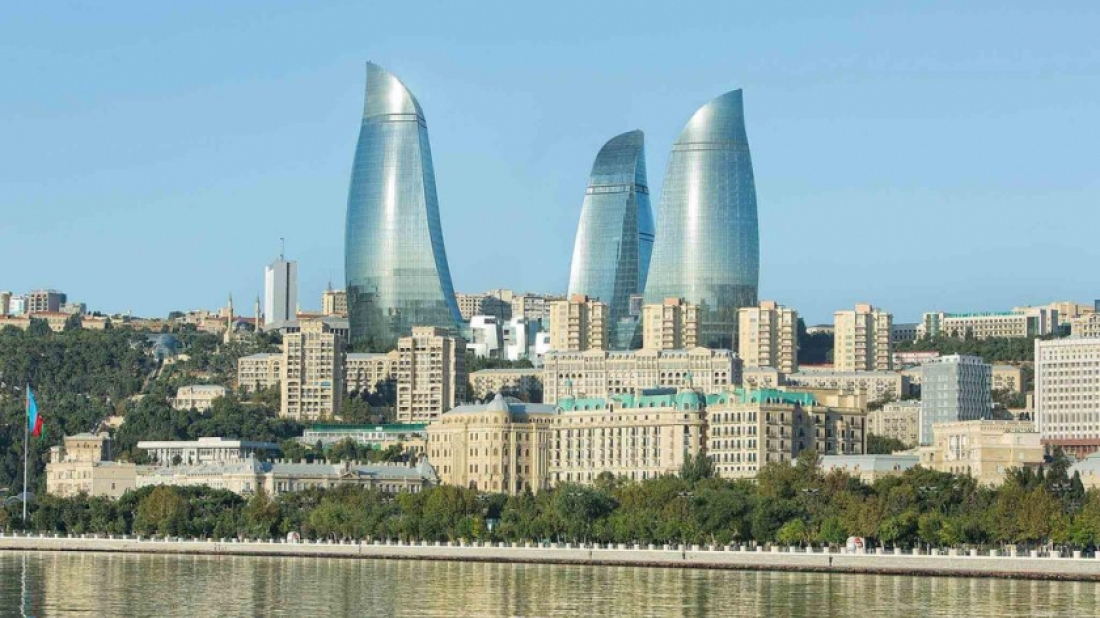
Azerbaijan is emerging as a strategic tourism hub in the South Caucasus following the landmark peace agreement with Armenia, ushering in a new era of regional connectivity and cross-border travel.
By reopening routes and strengthening infrastructure, Baku is positioning itself as the central gateway for multi-country itineraries, linking visitors to Armenia, Georgia, Türkiye and beyond.
Over the past decade, Azerbaijan has invested heavily in airports, hotels and transport links, laying the groundwork for an expanded hospitality sector capable of attracting both leisure and business travellers. These efforts are now set to pay dividends, as enhanced road, rail and air connections will make it easier for tourists to explore several destinations within one trip.
The peace accord has also boosted perceptions of stability, transforming the region’s image from one of volatility to a safe and welcoming destination. With its rich cultural heritage, varied landscapes and modern amenities, Azerbaijan is poised to appeal to a wider global audience, from Asian tourists seeking multi-destination tours to Europeans encouraged by improved security.
A major component of the agreement is a new 43-kilometre corridor through southern Armenia, linking mainland Azerbaijan to its Nakhchivan exclave and onwards to Türkiye and European markets. This development is expected to be a game-changer, not only for trade and transit but also for tourism flows across the region.
The ripple effects are likely to benefit the entire South Caucasus. As Azerbaijan attracts more visitors, neighbouring Armenia and Georgia stand to gain from increased cross-border tourism, strengthening the region’s identity as a connected travel destination.
Looking ahead, Azerbaijan anticipates significant economic gains through job creation, business opportunities and hospitality sector growth. With its strategic location, modern infrastructure and renewed stability, the country is well-placed to transform the South Caucasus into one of the world’s most compelling tourism circuits.

At a time of deepening global polarisation, rising conflict and shrinking space for dialogue, Pakistan is stepping into a historic role. Diplomatic engagements in Islamabad, bringing together regional powers amid the Iran crisis, signal both urgency and opportunity.
U.S. President Donald Trump warned that any Iranian ships approaching ports in the Strait of Hormuz would be "immediately eliminated" on Monday, as the U.S. started its blockade.
Afghanistan’s Foreign Ministry said on Sunday that talks with Pakistan had been positive, while Türkiye stressed the importance of stronger ties between Kabul and Islamabad.
The U.S. military began a blockade of Iran's ports on Monday, President Donald Trump said, and Tehran threatened to retaliate against its Gulf neighbours' ports after talks in Islamabad on ending the war broke down at the weekend.
Centre-right Peter Magyar's Tisza Party has won a landslide in Hungary after a night of counting in the Hungarian election. Viktor Orbán has conceded defeat after 16 years in power. "We have done it. Tisza and Hungary have won this election", Magyar said to cheering supporters in Budapest.
There are cautious signs of progress towards peace, as negotiating teams from the U.S. and Iran consider returning to Islamabad later this week to resume talks aimed at ending the Gulf conflict.
A fresh international effort to safeguard the Caspian Sea has received a significant boost after the World Bank approved funding for a wide-ranging environmental programme aimed at reversing years of ecological damage.
Kazakhstan has reported a sharp fall in oil production, with both output and exports declining in the first quarter of the year, according to government officials. The drop is now affecting the structure of economic growth, even as the country records 3% GDP growth.
Economic cooperation could play a key role in advancing the Azerbaijan-Armenia peace process, but persistent trust deficits, political uncertainty in Armenia, and regional geopolitical tensions continue to challenge its long-term sustainability, an analyst said.
An Indian healthcare provider plans to invest $50 million in diagnostic and pharmaceutical projects in Uzbekistan’s Namangan region, aiming to expand access to advanced medical services between 2026 and 2028.
You can download the AnewZ application from Play Store and the App Store.
What is your opinion on this topic?
Leave the first comment