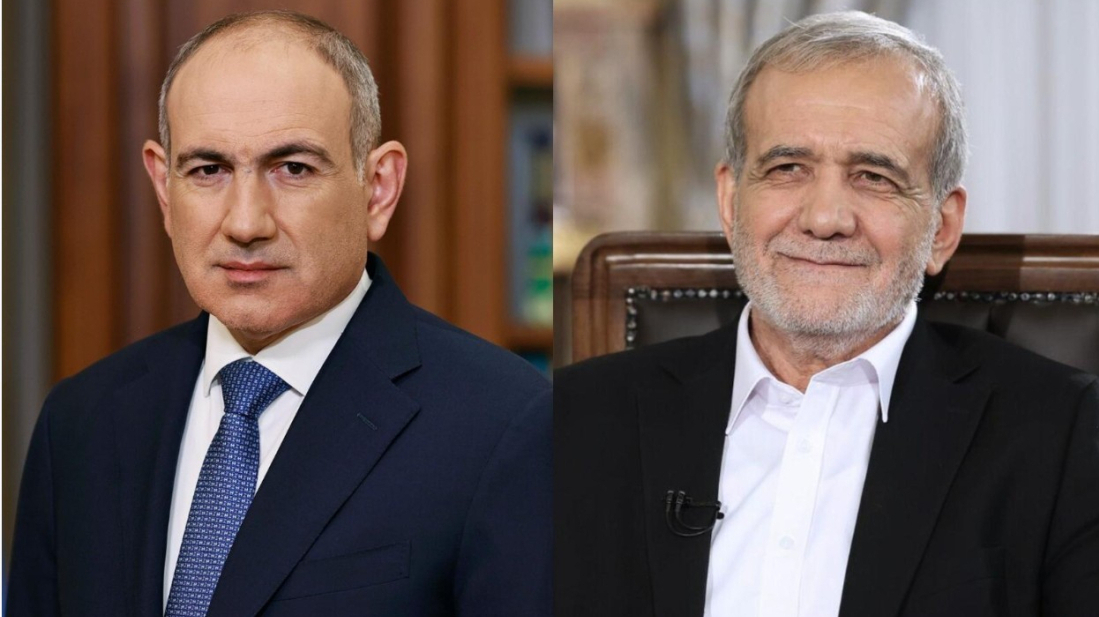
Iranian President Masoud Pezeshkian will pay an official visit to Yerevan from 18th to 21st August, the Armenian Economy Ministry announced.
Yerevan will host a business forum on the 19th of August, as part of the visit of President of the Islamic Republic of Iran Masoud Pezeshkian to Armenia, the ministry's press service stated.
Representatives of Iran's industry, road construction, agriculture, supplies, pharmaceuticals, engineering service, and consumer goods industry expressed a wish to take part in the business forum, the statement reads.
The upcoming visit was discussed during Monday's phone conversations between Armenian Prime Minister Nikol Pashinyan and President Masoud Pezeshkian, as well as between the foreign ministers of the two countries, according to officials.
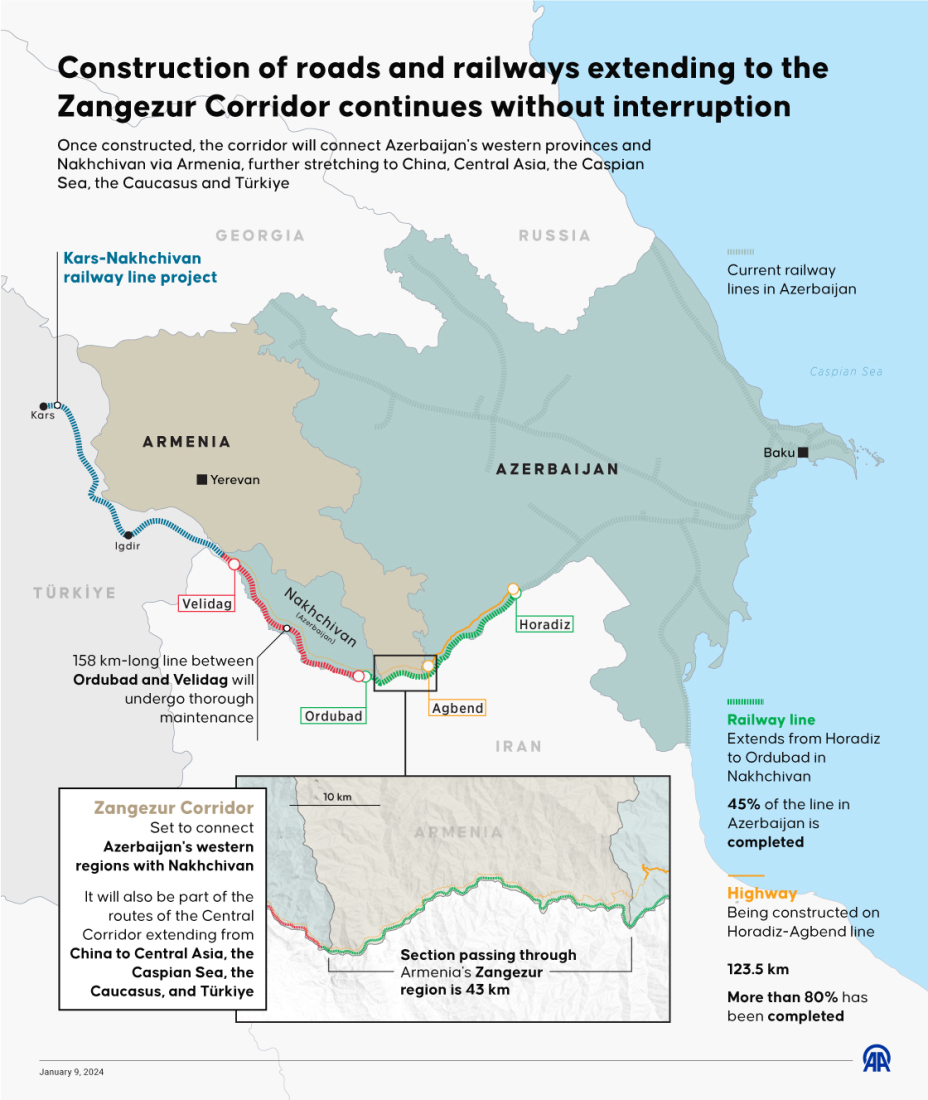
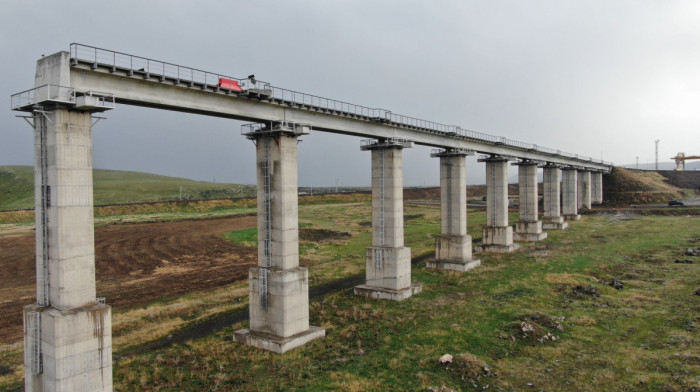
During high-level consultations, the Armenian side briefed Tehran on the outcomes of the U.S.-led peace summit held in Washington, D.C., on the 8th of August, particularly regarding agreements related to the Zangezur transport corridor, which was named the 'Trump Route for International Peace and Prosperity' (TRIPP).
The two South Caucasus countries signed agreements with each other and with the United States to reopen key transportation routes. The deal includes the creation of a major transit corridor linking Azerbaijan to its exclave of Nakhchivan, with the United States granted development rights.
Following the agreements reached in the White House last week, the Foreign Ministry of the Islamic Republic expressed "concern over the negative consequences of any form of foreign intervention, especially near its shared borders, that could undermine the security and lasting stability of the region."
Tehran reiterated Iran’s position that any transport routes connecting mainland Azerbaijan to Nakhchivan must respect regional countries’ “national sovereignty” and “territorial integrity”. “Tehran is closely monitoring this issue as it relates to the country’s national interests,” the ministry's spokesman stated.
Speaking by phone with Iranian leader, Pashinyan stressed that regional communication channels will operate within the framework of the principles of territorial integrity, sovereignty, and jurisdiction of countries and on the basis of reciprocity.
“Iran’s emphasis on preserving Armenia’s sovereignty and territorial integrity is highly valuable to us,” Pashinyan said. “We will not sign any agreement unless we are fully assured that the interests, considerations, and sensitivities of our friend and neighbour, Iran, are respected.”
President Pezeshkian described relations with Armenia as “strategic” and said bilateral interactions have consistently been constructive, rooted in good neighbourliness, and based on mutual respect for territorial integrity.
“Principled and rational approaches have always provided a solid foundation for strengthening the friendly and strategic bonds between Tehran and Yerevan,” he said, adding that any attempt to undermine these “historic and deep-rooted” ties would be firmly rejected by both sides.
Iranian President stressed the need to protect Armenia’s sovereignty and prevent the involvement of any military or security forces in the project’s execution. He cautioned against possible U.S. moves which, "under the guise of investment and peacebuilding, could pursue hegemonic objectives in the region."
“We must ensure that this route will truly serve as a path for peace and development, not a tool for advancing the expansionist aims of foreign powers,” he added.
Pezeshkian also emphasized the importance of maintaining strong neighbourly relations among Iran, Azerbaijan, and Armenia, saying their continuation depends on vigilance, coordination, solidarity, and the exclusion of foreign interference.
“The Islamic Republic of Iran has always prioritized common interests in regional relations—especially with its neighbours—and is confident that this perspective will also be considered a fundamental priority by the countries of the region,” he said.
Pashinyan thanked the Iranian president for an objective assessment of the Washington agreements and stressed the importance of his upcoming visit to Armenia.













What is your opinion on this topic?
Leave the first comment