Yemen's Houthis advance towards Yemen's Aden, threatening key supply routes
Yemen's Iran-aligned Houthi movement has advanced to within 80 kilometres of Aden, the internationally recognised government's temporary ca...
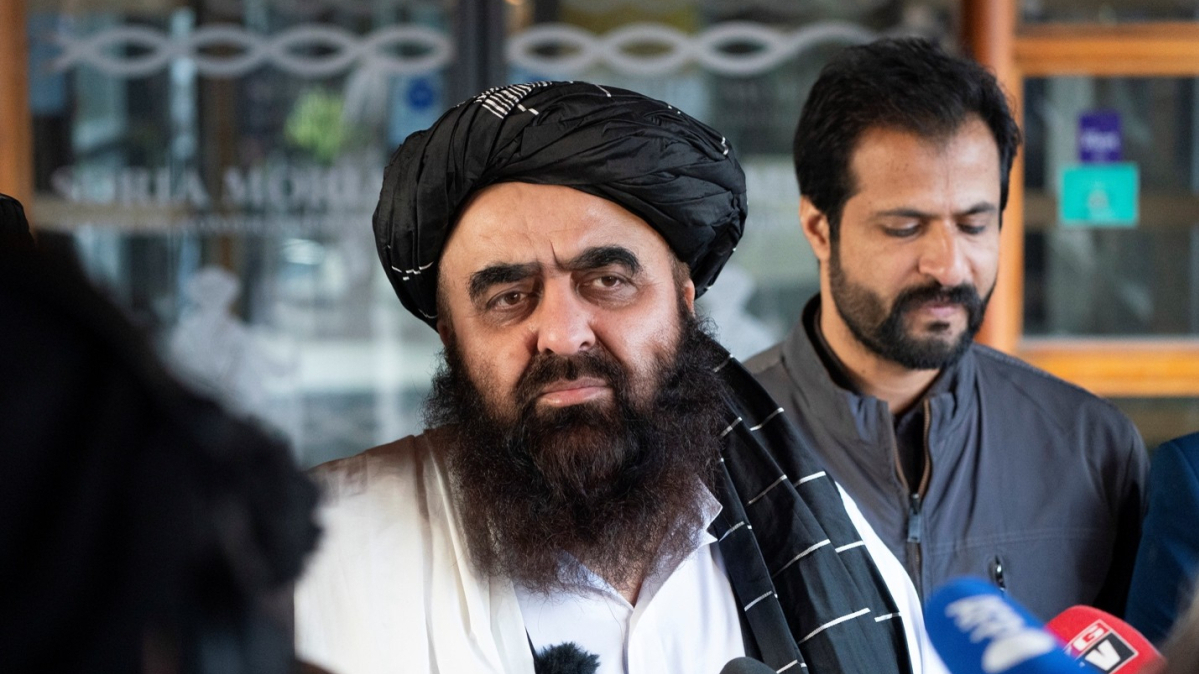
Afghanistan is building new trade and transit links across Asia, but the Taliban government will again be absent from the country’s seat as world leaders gather in New York for the 81st United Nations General Assembly.
The Taliban have controlled Afghanistan since August 2021, but have not been given the country’s UN credentials. Afghanistan continues to be represented by diplomats from the former government.
Foreign Minister Amir Khan Muttaqi has called for that to change, arguing in May that representation would strengthen engagement with the international community.
“Afghanistan’s representation is the responsibility of the Afghan government & the legitimate right of the Afghan people,” Muttaqi said.
The diplomatic dispute comes as Afghanistan expands economic relations across the region.
Trade with Central Asian countries reached about $2.7 billion in 2025, according to Muttaqi, who said Kabul wants the figure to reach $10 billion within three or four years.
New transport routes are also emerging. A China-Afghanistan freight corridor launched pilot shipments this year, while Afghanistan, Iran and Tajikistan agreed in July to activate a joint road transit route.
Russia became the first country to formally recognise the Taliban government in July 2025. Other regional countries have increased diplomatic and economic engagement without formally recognising it.
That growing engagement has not changed Afghanistan’s representation in New York.
Asked in August whether the Taliban authorities could be seated at the UN, Deputy UN Spokesman Farhan Haq said recognition remained a matter for governments.
“Ultimately, those decisions on recognition are made by Governments, and we are not that,” Haq said.
He added there was “no movement towards that among the Member States here.”
The divide remains visible this week: Afghanistan is increasingly connected to its neighbours through trade, transit and diplomacy, but the government in Kabul still does not represent the country on the UN General Assembly floor.
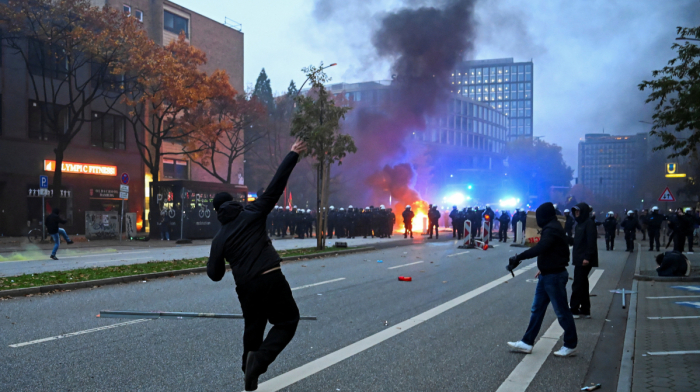
Gen Z protests swept 34 German cities on Saturday (31 October) over education and living costs. Violence erupted in Frankfurt, where shops were looted and police reported Molotov cocktail attacks.
A six-day humanitarian ceasefire in the Russian-held Ukrainian town of Oleshky ended on Sunday, 1 November, after facilitating aid deliveries and civilian evacuations.
Thousands protested in Albania's capital, Tirana, on Saturday (31 October), demanding Prime Minister Edi Rama's resignation over perceived corruption allegations and dissatisfaction with the government over a lack of jobs and poor education standards.
Saudi Aramco's acquisition of a 49 per cent stake in artificial intelligence (AI) company HUMAIN is putting a spotlight on a wider investment question: why are some of the world's biggest energy companies moving deeper into AI, and what do they expect to gain?
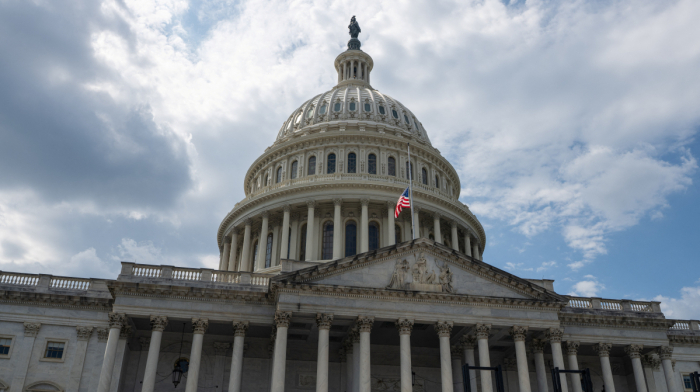
Hundreds of millions of U.S. citizens will head to the polls on 3 November to elect the House of Representatives and Senate. How they vote could influence the direction of Donald Trump’s remaining 26 months in office and the outcomes of the Ukraine and Iran conflicts.
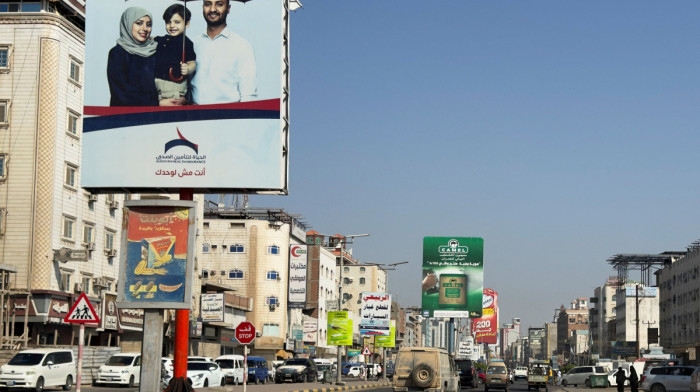
Yemen's Iran-aligned Houthi movement has advanced to within 80 kilometres of Aden, the internationally recognised government's temporary capital, according to four military sources quoted by Reuters.
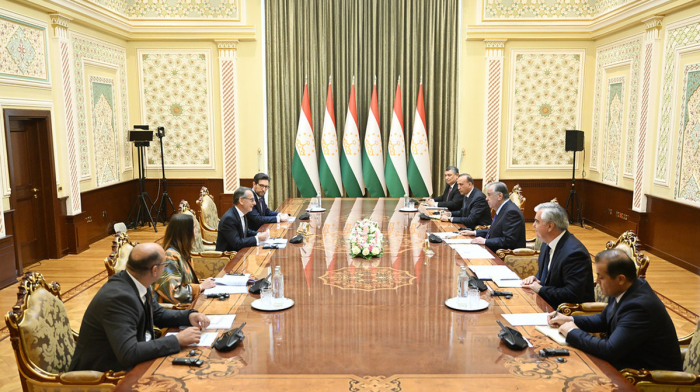
Tajikistan and the European Bank for Reconstruction and Development (EBRD) are drawing up a $900 million investment roadmap for 2026–2030, aimed at boosting economic growth, infrastructure and private-sector development.
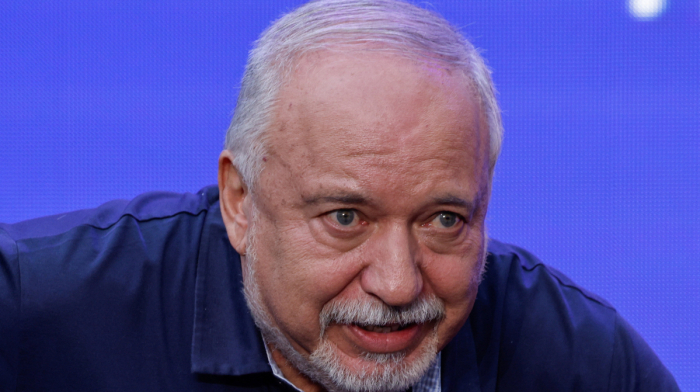
Israeli opposition leader Avigdor Lieberman has endorsed Gadi Eisenkot for prime minister, ruling out joining any government led by Benjamin Netanyahu as Israel faces a political deadlock following last week's elections.
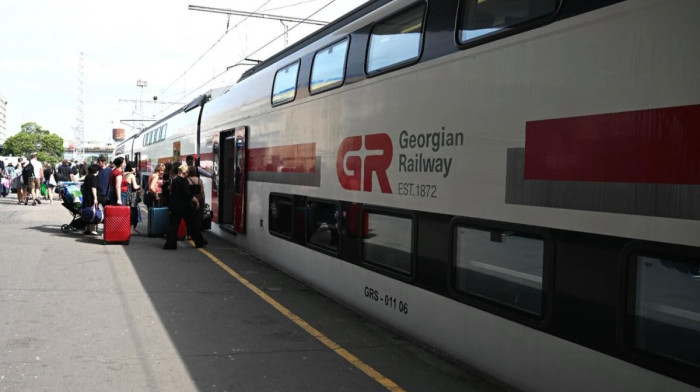
Azerbaijan Railways will increase train services between Baku and Tbilisi to four daily departures from 3 November, adding daytime journeys and cutting fares as passenger demand grows.
Pakistan's four largest listed oil refineries saw their combined profits soar by more than 1,860 per cent in the quarter ending September 2026, as global energy disruptions drove refining margins higher.
You can download the AnewZ application from Play Store and the App Store.
What is your opinion on this topic?
Leave the first comment