Evacuations begin from besieged Ukrainian city
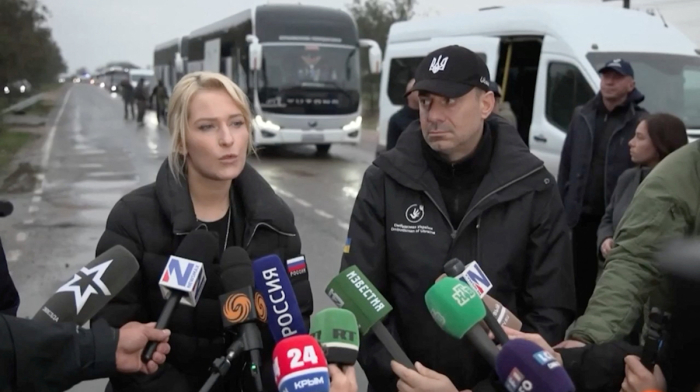
Evacuations and the provision of humanitarian aid in the Russian-occupied southern Ukrainian town of Oleshky have begun, a senior Ukrainian officia...
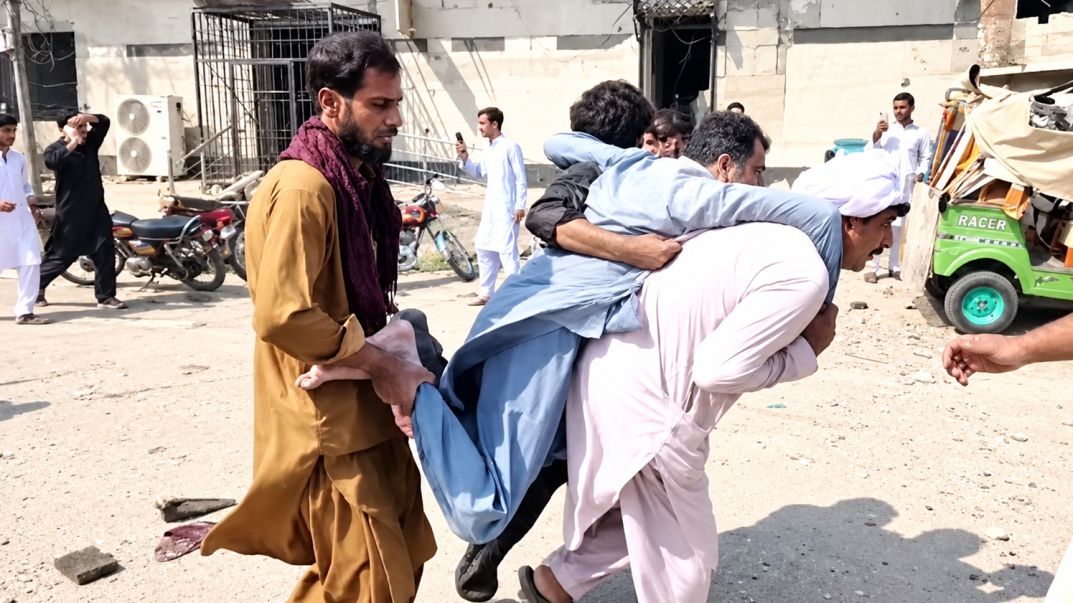
At least 16 people have been killed after suicide blasts during Friday prayers hit a police compound in Kohat, northwest Pakistan, officials said.
Worshippers were gathered at a mosque within the complex when an explosive-laden vehicle rammed into the gate of the complex and exploded, local police chief Zulfikar Hameed said.
A second explosion later struck another police building nearby, followed by an exchange of gunfire between attackers and security forces.
Police said three militants had been killed in the ensuing gun battle, with earlier reports suggesting a fourth attacker wearing a suicide vest had also died. No group has yet claimed responsibility.
Of the 16 people killed in the attacks, five were police personnel and 11 were civilians, Hameed added. Most of the victims are believed to be worshippers who had gathered for the weekly prayers.
The blasts tore through the mosque's outer wall and left a crater outside the building, according to rescue officials, who said more than 50 injured people were taken to a local hospital.
Rescue teams and local volunteers were seen sifting through debris in search of survivors, and roads leading to the site were sealed off as a security measure.
Pakistan's Interior Ministry condemned what it called the “cowardly actions” of the perpetrators of the attack, adding that the incident wouldn’t weaken the country's resolve.
The attack is the latest in a spate of militant attacks in Pakistan's border regions this year, with police and the military increasingly targeted.
Islamabad has repeatedly accused militants of using safe havens across the border in Afghanistan to plan and launch such attacks.
The Taliban government in Kabul has denied the allegations, insisting that militancy is Pakistan's internal problem.
Khyber Pakhtunkhwa, the province where the attack occurred, borders Afghanistan and has for years borne the brunt of Pakistan’s militant violence.
Police stations, checkpoints and security personnel in the region are frequently the targets of both suicide bombings and armed ambushes.
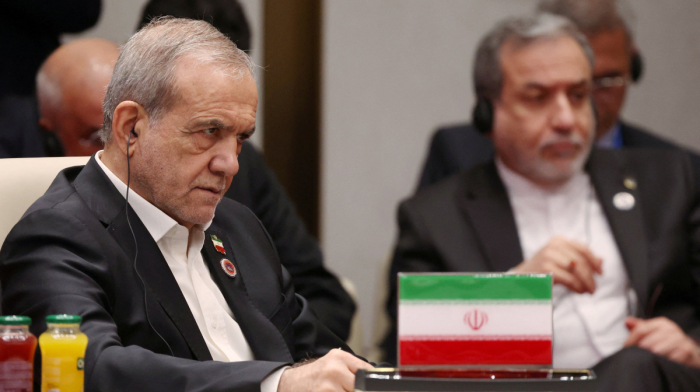
The Middle East conflict remains tense as diplomatic efforts continue alongside renewed Houthi attacks. Iran says it remains open to mediation, while the Saudi-led coalition says it intercepted a ballistic missile fired towards the kingdom.
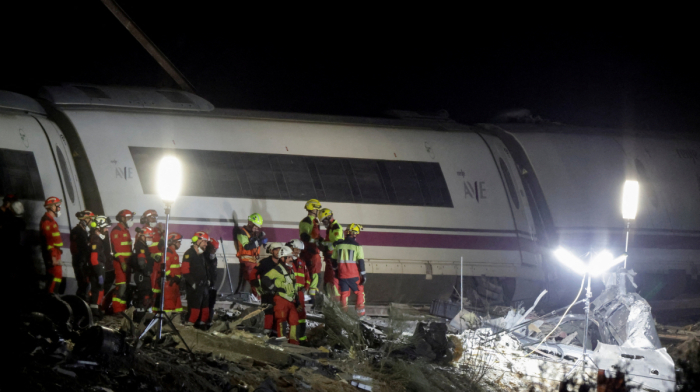
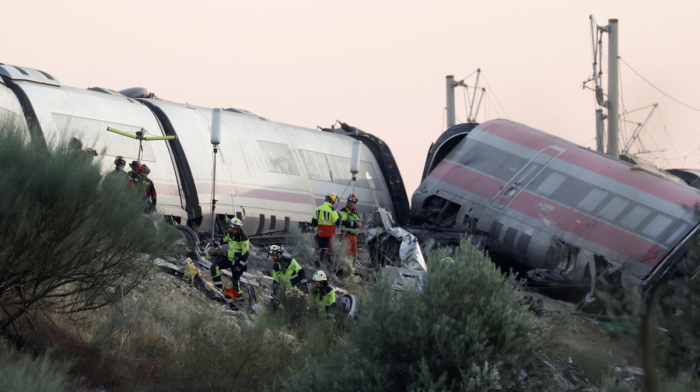
Rescuers searched the wreckage of two high-speed trains in central Spain on Thursday as the death toll rose to a provisional 74, making it the country's second fatal high-speed rail disaster this year.
Strengthened U.S.-Central Asia ties reflect a broader trend in international relations, with growing emphasis on developing alternative transit routes and diversifying energy and critical mineral supply networks to gain geopolitical influence.
At least 68 people have been killed after two high-speed trains collided in Spain on Wednesday, in the second deadly rail disaster in less than a year on a major route linking Madrid with the southern Andalusia region.
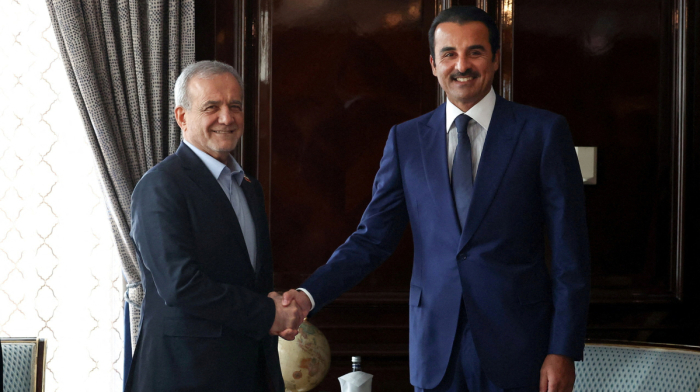
Qatari mediators returned to Tehran on Friday as part of efforts to reach a deal between the U.S. and Iran, according to an official briefed on the talks.
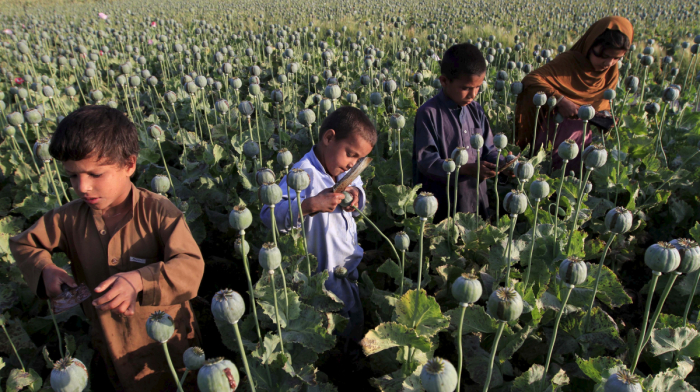
Opium poppy cultivation in Afghanistan surged by 330 per cent in 2026 despite a four-year ban, the United Nations said on Thursday. Afghan authorities disputed the findings, while Japan urged continued support for farmers seeking alternative livelihoods.
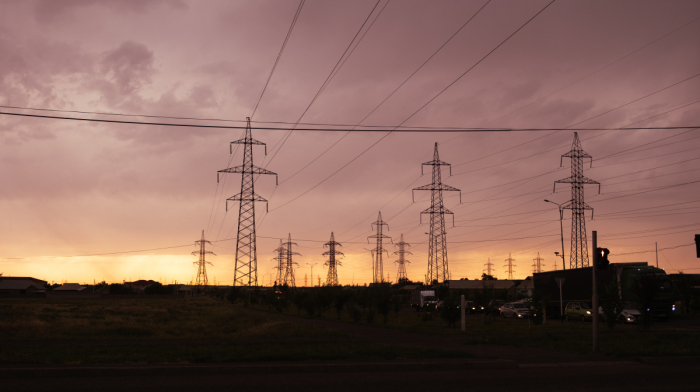
Central Asia could gain up to $640 million a year from closer energy cooperation, but strained electricity grids threaten to limit those gains, with Kazakhstan particularly exposed to regional power shortages and growing pressure on its network.
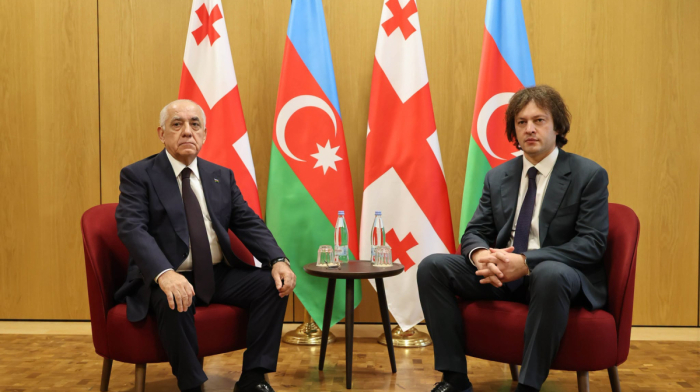
Georgia and Azerbaijan are stepping up efforts to boost trade, strengthen transport links between Asia and Europe and resolve a longstanding border dispute, as both countries seek to deepen their strategic partnership.
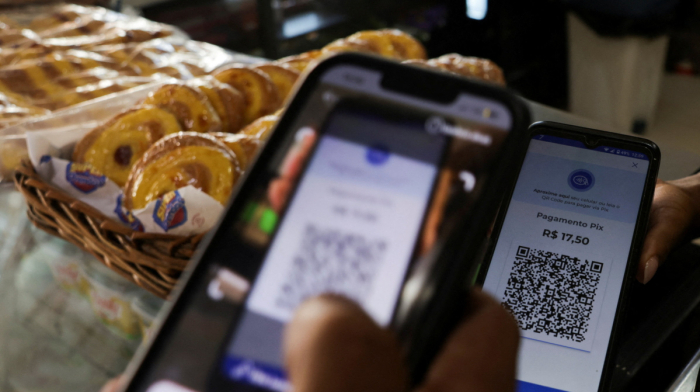
People travelling between Uzbekistan, Kazakhstan, Kyrgyzstan, Tajikistan and Azerbaijan could soon be able to pay for purchases using their usual banking apps. Central banks from the five countries are working on linking their national payment systems.
Qatari mediators returned to Tehran on Friday as part of efforts to reach a deal between the U.S. and Iran, according to an official briefed on the talks.
You can download the AnewZ application from Play Store and the App Store.
What is your opinion on this topic?
Leave the first comment