Two people have been rescued alive from a tunnel in Nepal, nine days after catastrophic floods devastated the country, as rescuers continue searching for survivors.
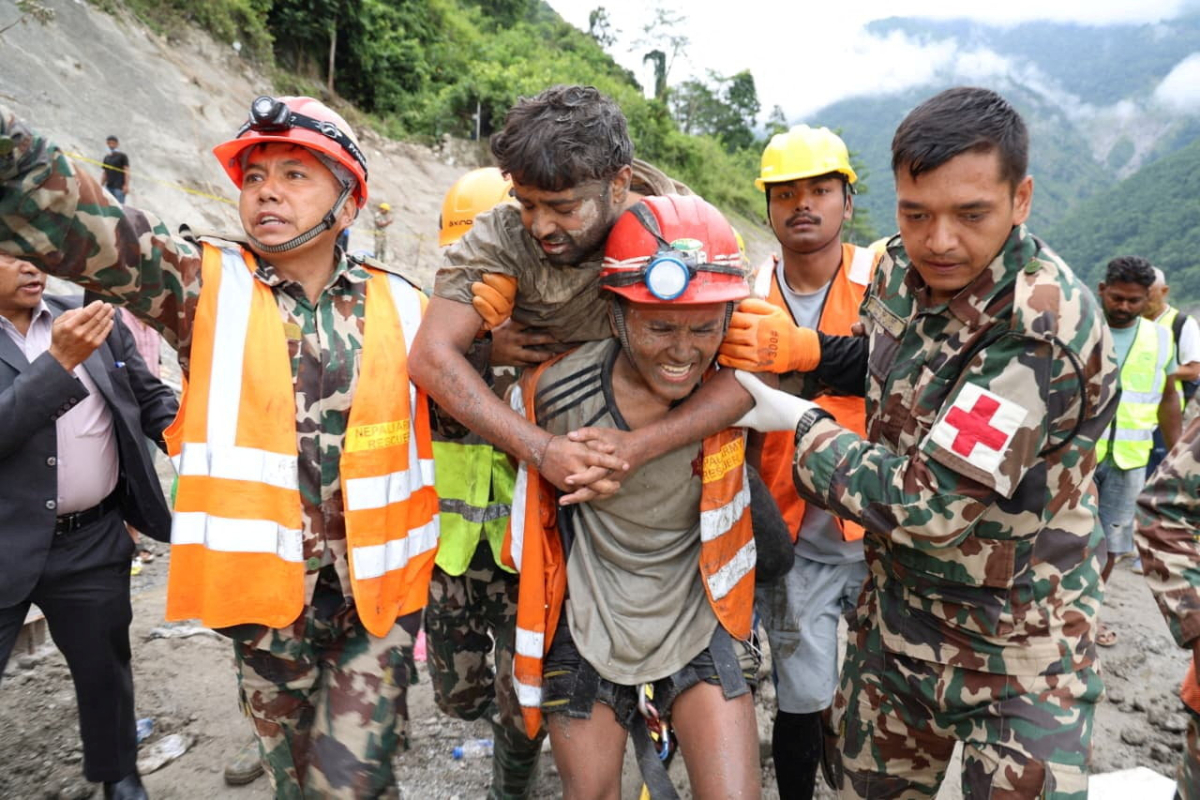
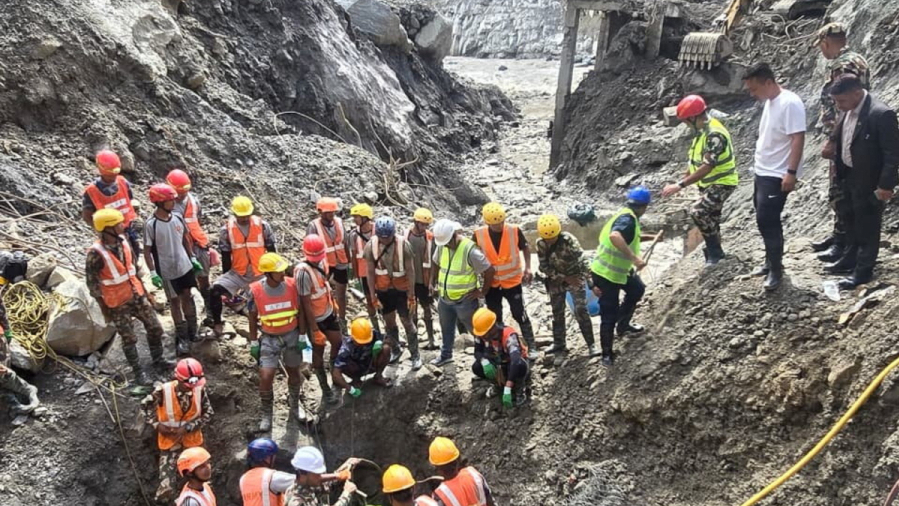
The two workers pulled from the tunnel at the Upper Trishuli 3A Hydropower Station are the first to be rescued from the hydropower projects and have been taken to an army hospital in the capital Kathmandu. A small group had managed to escape from another tunnel hours after the disaster struck.
The workers rescued on Friday were Sanjay Sah, a Mechanical Foreman, and Kabir Maharjan, a Mechanical Supervisor, Nepal's Energy Minister Biraj Bhakta Shrestha’s office said in a statement.
Videos and photos released by Nepali authorities showed Maharjan being pulled out of a hole in the ground amid cheering bystanders and put on a stretcher.
The other man, Sah, was carried out on the back of a worker to a rescue tent, his face covered in mud.
In one of the videos, a team of army doctors attended to Sah at a tent near the tunnel before he was taken to hospital, fitting what appeared to be an oxygen mask around his mouth and checking his vitals.
“His name is Sanjay Sah and he was working in mechanical control room. The vital parameters look normal,” an army official said.
Sah told rescuers he spent time reciting mantras (verses from a prayer) while he was trapped, according to the Kathmandu Post. He said three or four more people could be alive in the tunnel, and possibly more deeper in its reaches.
Rescue centres on hydropower plants
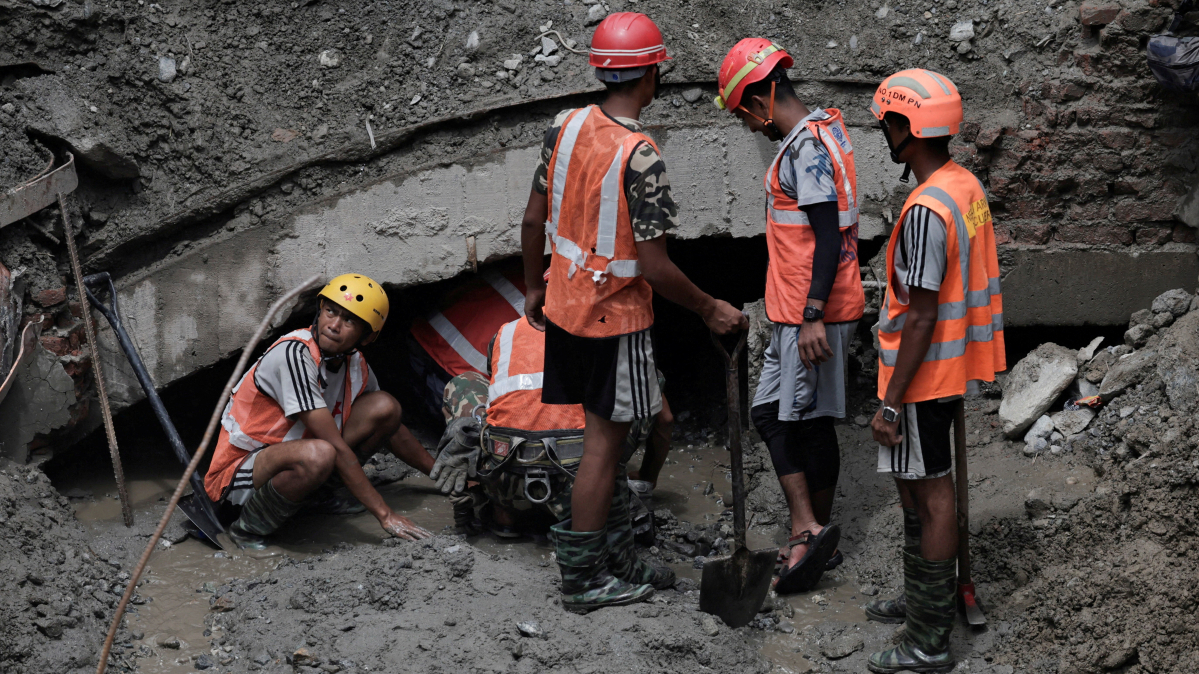
The focus of rescue efforts has been on four hydropower projects, which offer the strongest prospect of finding survivors because of the presence of air inside the tunnels, Amshu Kiran Shahi, a board member of the Nepal Electricity Authority, told reporters earlier this week. Several plants' entrances were buried under huge amounts of mud, rocks and debris after the flood.
The devastating floods caused at least 387.5 billion Nepalese rupees ($2.56 billion) in damage to property, homes and infrastructure, according to Dharma Raj Upreti, chief of Nepal’s National Disaster Risk Reduction and Management Authority.
Nepal estimates it will need around $52.6 million in the first four months to rebuild roads and temporary shelters, provide drinking water and restore electricity.
Upreti said the figure was an initial estimate prepared with relevant government agencies and departments, with a more detailed assessment expected soon.
The country will also need to rebuild around 20,000 homes in the worst-hit areas, including at least 7,500 that were completely destroyed.
Search for survivors ongoing
As of Friday, more than 1,280 people have been confirmed killed by the flash flood on 26 August, according to Nepal's Disaster Authority agency. Thousands remain missing, including workers who may have survived by taking shelter inside tunnels.
Officials estimate that about 900 missing people were linked to six hydropower plants in the affected valley. At least three of those facilities were still under construction.
Rescue teams turn to tunnel plans
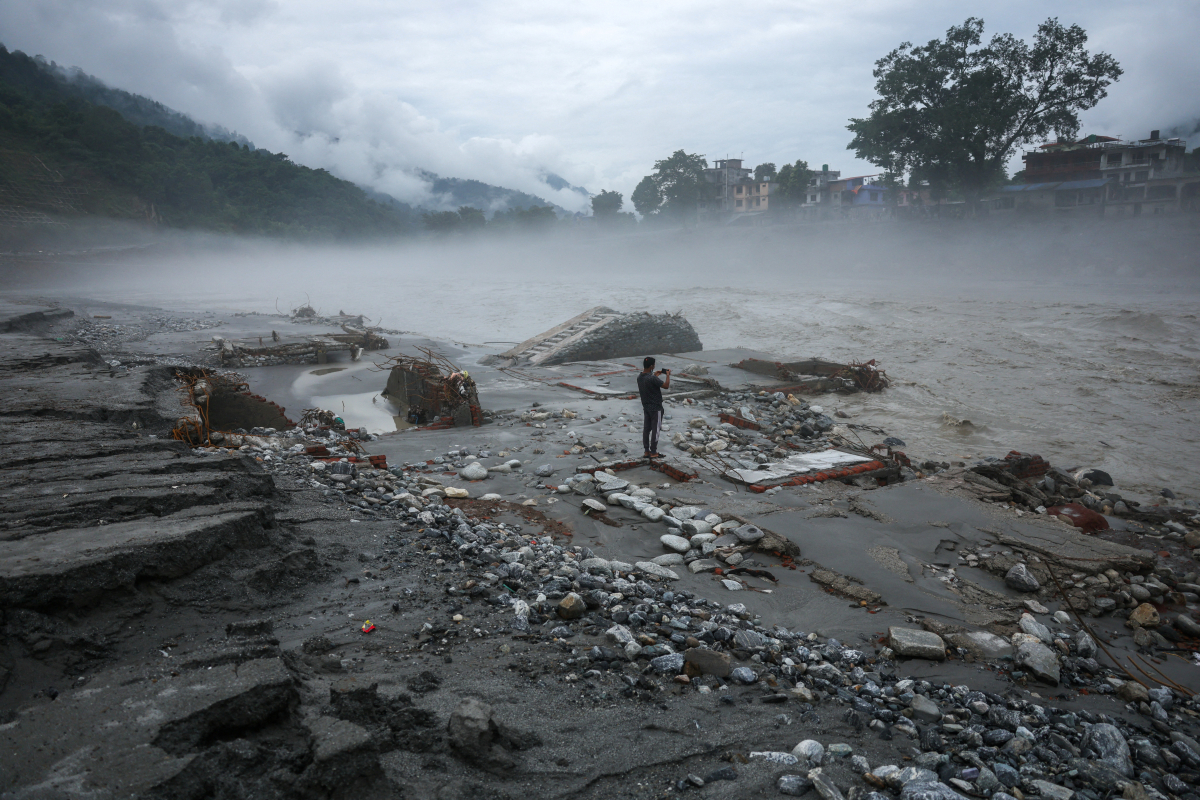
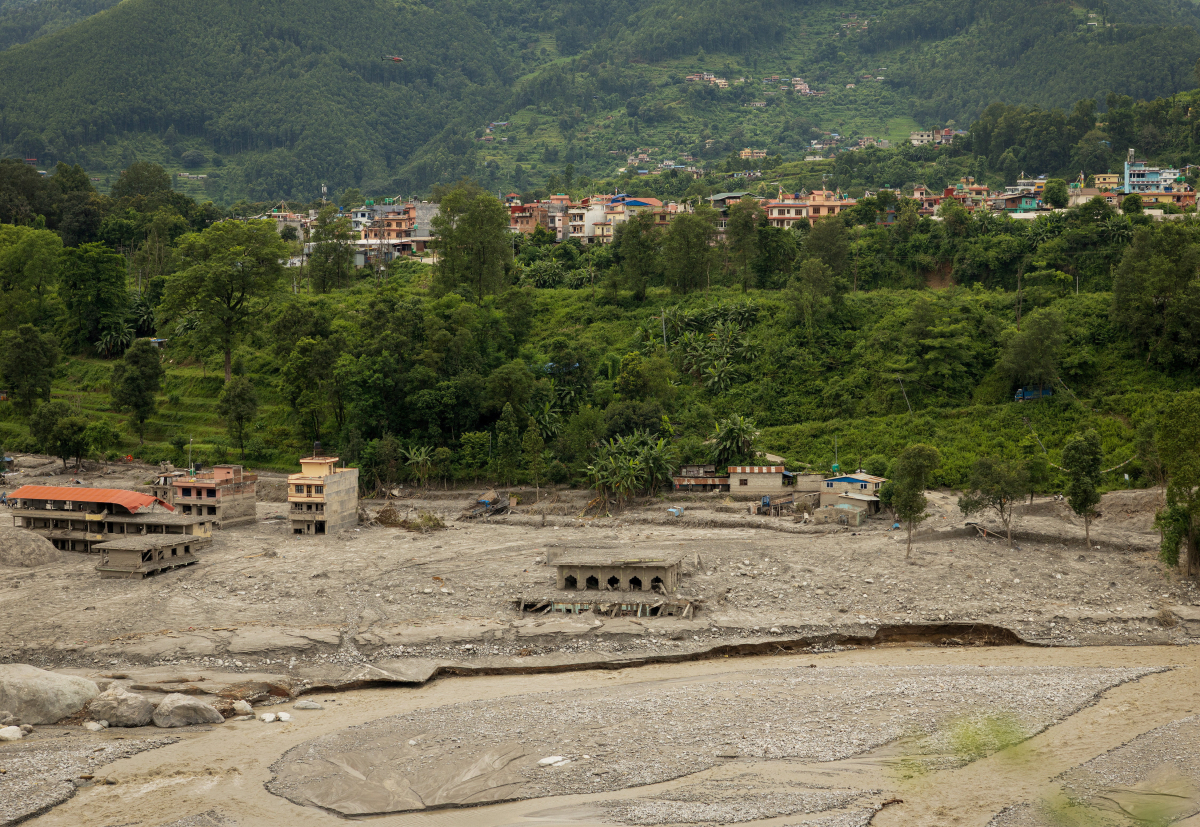
The scale of the destruction has made the searches particularly difficult. Authorities estimate that around 2.2 million tonnes of mud and debris were deposited across the valley, altering the terrain and blocking tunnel entrances.
At the Chilime hydropower plant, engineers and rescue officials have been exchanging tunnel layouts and technical information through a WhatsApp group with more than 500 members.
No survivors have yet been found at Chilime, although Nepal's Independent Power Producers' Association said several people could be trapped there.
At the Rasuwagadhi hydropower plant, rescuers reached about 250 metres into a tunnel before it was blocked. Officials believe dozens of people may be trapped in a chamber where they could potentially have access to food and water.
Race against time
Rescuers have also searched tunnels at the Upper Trishuli 3A hydropower project, where the entrance was nearly six days away after being buried by debris. Teams have attempted to pump oxygen into possible cavities in case survivors remain trapped underground.
Workers who escaped described the flood as arriving within minutes and sweeping away buildings, equipment and entire sections of the valley.
The disaster also destroyed about 10 per cent of Nepal's electricity generation capacity, highlighting the scale of the reconstruction challenge facing the country.
Insurers face huge bill
One of Nepal's leading insurers, the Oriental Insurance Company Nepal, has warned that commercial insurers face losses exceeding $132.3 million (20 billion Nepali rupees), with hydropower projects accounting for most claims.
Eleven Nepali hydropower projects lie in the affected region, some covered by standard commercial insurance policies that are still being assessed, Toton Chakraborty, CEO of Oriental Insurance Company Nepal, said.
Oriental Insurance Nepal, a unit of the New Delhi-based Indian insurer, is among the leading insurers in the region.
“Hydropower projects along the affected river corridor have suffered the largest damage. In many cases, access roads and above-ground infrastructure have been washed away,” he said.
Projects including Rasuwagadhi, Upper Trishuli-3A, Chilime and Devighat, were directly affected, while assessments at five others are ongoing, he said.
















What is your opinion on this topic?
Leave the first comment